Remote Work Survey: The Evolution of Work in 2026
Research Summary. The shift from in-office work to remote work has transformed the workforce landscape over the past few years. In 2026, remote work remains a preferred option for many American workers. To understand this trend better, we surveyed 2,000 American workers to uncover their current preferences and experiences regarding remote work. Our findings reveal:
63% of workers now express a strong desire for permanent remote work options.
1-in-5 workers report working more hours at home compared to their time in the office.
More than 50% of workers maintain or exceed their productivity levels when working remotely.
In March 2020, the U.S. entered an unprecedented work-from-home phase. Nearly three years later, many workers continue to operate from home, adapting their environments and establishing productive routines. The focus has shifted from whether Covid-19 would change work dynamics to understanding the extent of this transformation.
Stay tuned to discover what American workers expect from employers in 2026, as well as insights into their evolving productivity and work habits.
Other Interesting Findings
-
37% of remote workers are capitalizing on their flexibility by adjusting their work hours.
-
Only 18% of workers strongly disagree with how their companies managed the transition to remote work.
-
Benefits that have gained importance include flexible work environments and enhanced PTO/sick leave.
-
22% of workers prioritize companies that demonstrated care for employees during the pandemic and avoided layoffs.
Changing Employee Expectations
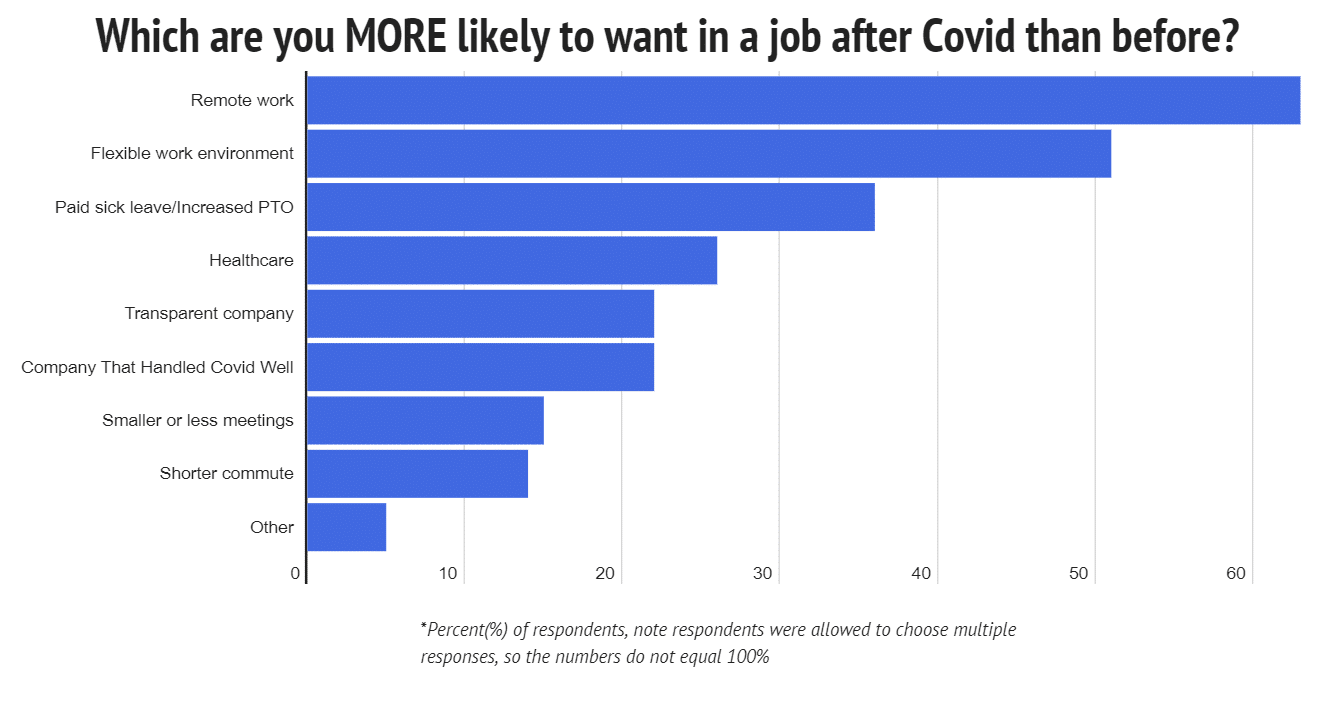
Today, 63% of workers who experienced remote work wish to continue this arrangement long-term. This trend has heightened the demand for flexible work environments and increased PTO. The pandemic has underscored the importance of these benefits in attracting and retaining talent.
Additionally, over 20% of workers now favor companies that maintain transparency with their employees. Companies that resorted to significant layoffs or pay cuts may find that over 20% of workers are evaluating potential employers based on their pandemic responses.
Survey respondents indicated several significant changes in their career outlooks:
-
Exploration of opportunities in different industries.
-
A preference for more spacious office settings.
-
A desire for jobs that offer benefits during furloughs.
-
An increase in side-hustles, freelancing, or starting businesses to reduce dependence on traditional employment.
-
A preference for companies that front-load PTO instead of requiring accrual over time.
The Impact of Remote Work on Productivity
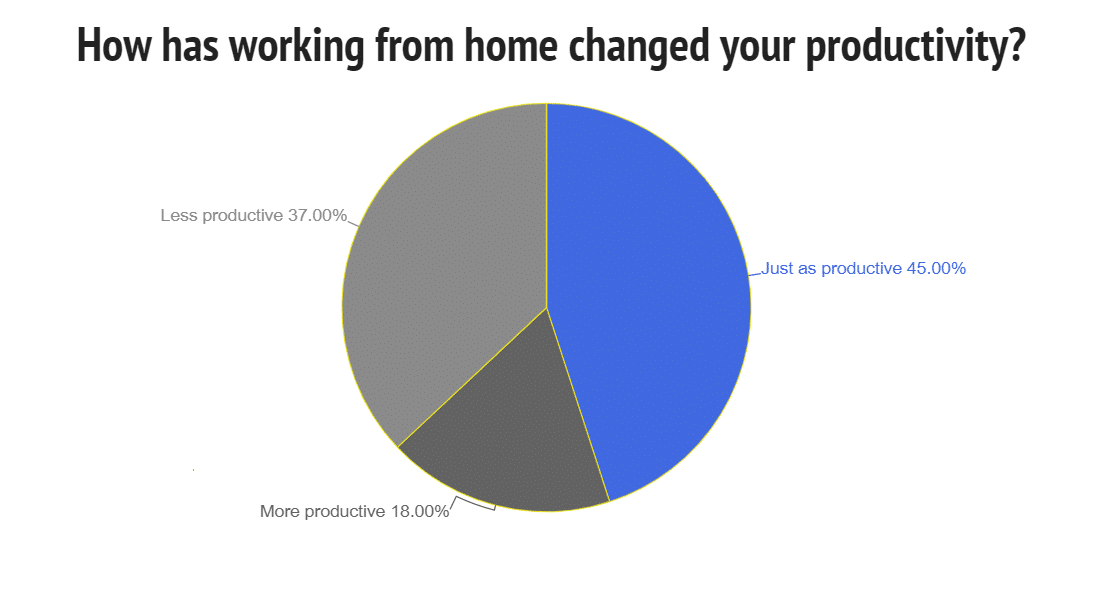
Initially, managers expressed concerns about productivity dips when workers transitioned to remote settings. However, findings show that 45% of workers remain equally productive at home, with an additional 18% reporting greater productivity. Factors contributing to increased productivity include fewer meetings, reduced office distractions, and the ability to customize their work environments.
Yet, 37% of workers acknowledge that productivity has declined while working from home. Common challenges include:
Factors Hindering Productivity:
-
Childcare responsibilities.
-
Excessive virtual meetings.
-
Technological difficulties.
-
Lack of essential supplies (e.g., monitors, telephones).
-
Micromanagement.
-
Salary reductions due to Covid-19.
Many of these challenges stem from the pandemic, such as childcare issues and salary cuts. Companies can address productivity concerns by providing adequate support for remote work environments. Just as you wouldn’t expect a new hire to bring their own chair and internet, offering stipends for home office setups can enhance productivity. Furthermore, addressing management practices and the frequency of ineffective virtual meetings can lead to better outcomes.
While remote work has proven effective for many, it has also highlighted the ongoing evolution of both employees and companies. It’s essential to recognize that workers have faced significant challenges beyond simply working from home; many have been navigating a crisis while attempting to maintain their jobs and personal responsibilities.
Methodology
Zippia.com conducted a survey of 2,000 remote workers in the U.S. to assess how remote work has impacted their job performance and expectations for the future job market.
The Future Is Flexible
The last few years have demonstrated that most office workers can effectively fulfill their roles from home. In fact, many are thriving, saving time and money while customizing their work environments to suit their individual needs.
Many workers express surprise at how much they enjoy remote work, with one stating, “I’d prefer working from home for the rest of my life. I never thought I’d say that.” Another shared, “I want to work from home and set my own hours. Before the pandemic, I never considered it, but now I see it’s possible.”
Remote and flexible work arrangements were on the rise before the pandemic, and this trend continues to accelerate.
In addition to the increase in remote work options, employees are now more inclined to seek employers who demonstrate a commitment to their workforce. One respondent noted, “I feel like I can’t just accept a position as easily as before. I demand more from employers because everything feels riskier now.”
Covid-19 has not only transformed where we work but also reshaped employee expectations regarding their employers.

Author

Kathy is the head of content at Zippia with a knack for engaging audiences. Prior to joining Zippia, Kathy worked at Gateway Blend growing audiences across diverse brands. She graduated from Troy University with a degree in Social Science Education.