Find a Job You Really Want In
Discrimination continues to be a significant issue in the U.S., affecting many workplaces. Fortunately, there are laws in place that prohibit discrimination based on race. Here are key legal protections that women of color should be aware of in the workplace.
-
U.S. Equal Employment Opportunity Commission (EEOC)
The EEOC enforces federal laws that make it illegal for employers to discriminate against applicants or employees based on race. This law also protects individuals who file complaints or lawsuits regarding discrimination. The EEOC covers most employers with 15 or more employees.
-
Equal Employment Opportunity Act of 1972
This act allows the EEOC to take legal action against employers in federal courts if it has reasonable cause to believe that discrimination has occurred based on race. It applies to private employers with 15 or more employees, while public employees’ cases are referred to the United States Attorney General.
-
Title VII of the Civil Rights Act of 1964
This landmark legislation prohibits workplace discrimination based on race. It protects employees and job applicants from discriminatory practices in recruitment, hiring, and termination.
-
The Civil Rights Act of 1991
This act enhances Title VII of the Civil Rights Act of 1964, allowing individuals to pursue compensatory and punitive damages for sexual discrimination or harassment. It also grants the right to a jury trial in discrimination claims and allows for emotional distress damages.
-
Equal Pay Act of 1963
This act addresses wage discrimination based on sex, mandating equal pay for equal work among employees regardless of gender in the same workplace.
-
Paycheck Fairness Act
Passed in 2019, this act strengthens the Equal Pay Act by prohibiting employers from using salary history to determine pay. It requires employers to report salary data to the EEOC, promoting transparency and preventing retaliation against employees discussing wages.
-
Fair Housing Act
This act prohibits discrimination based on race in all aspects of housing, including renting, buying, and securing mortgages. For more details on prohibited actions in housing, visit the HUD website.
What to Do If Your Rights Were Violated
-
Document Everything: Keep detailed records of incidents of harassment or discrimination. Document any intentional discrimination, unequal treatment, or promotion disparities related to race or gender. Record emails, texts, dates, and encounters, as this documentation may be vital for future actions.
-
Contact Human Resources: If you believe you have faced discrimination, report it to your employer’s HR department.
-
Consult a Lawyer: If you feel discriminated against, seek legal advice. A lawyer can guide you through the necessary steps to protect your rights.
-
The NAACP Legal Defense and Educational Fund provides legal assistance for racial justice. They accept a limited number of requests for help; you can fill out their “Request for Assistance” form here.
-
-
File a Complaint with the Department of Labor: The Department of Labor enforces various worker protection laws. Call 1-866-487-9243 or contact a local Wage and Hour Division office for assistance.
-
File a Complaint with the Office of Federal Contract Compliance Programs (OFCCP): If you believe a federal contractor discriminated against you, file a complaint with the OFCCP using their online form within 300 days of the alleged discrimination.
-
File a Complaint with the Equal Employment Opportunity Commission (EEOC): If you experienced discrimination during hiring or employment, file a complaint with the EEOC. Learn how to do so here.
-
File a Housing Complaint: If you face discrimination in housing, file a complaint with the Fair Housing Equal Opportunity (FHEO) by sending the housing discrimination form to your local FHEO office or by calling 1-800-669-9777.

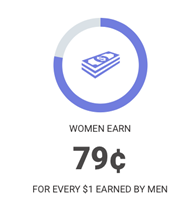
The gender wage gap continues to affect women of color significantly. According to the National Women’s Law Center, women of color working full-time earn considerably less than their white, non-Hispanic male counterparts:
Black women earn 61 cents for every dollar earned by white, non-Hispanic men.
Latina women earn 53 cents for every dollar earned by white, non-Hispanic men.
Native Hawaiian and Pacific Islander women earn 62 cents for every dollar earned by white, non-Hispanic men.
Asian women earn 85 cents for every dollar earned by white, non-Hispanic men.
Companies Championing Diversity
-
Finding a workplace that values your identity and supports your professional growth can be challenging. Below are 15 companies recognized for their commitment to diversity and inclusion.
-
Methodology
-
To be included in this list, companies must be recognized in Black Enterprise’s Best Companies For Diversity List, Working Mother’s Best Companies for Multicultural Women List, or Great Place To Work’s Best Workplaces for Women List, with a Zippia score of 4.5 or higher.
-
Knowing Your Employer: Asking the Right Questions
Interviews should be a two-way street. As a woman of color, asking the right questions can be vital to understanding a company’s culture surrounding diversity and equity. Here are 10 insightful questions to consider asking during your interview:
-
What does your company’s commitment to diversity and inclusion look like, and how has it been demonstrated in the past year?
-
How do you cultivate a culture of respect within the organization?
-
Ensuring equal voices in decision-making is crucial to me. What steps does your company take to guarantee everyone’s input is valued?
-
Do supervisors receive training on diversity and inclusion? Is this topic integrated into ongoing staff training?
-
Are there any affinity groups for women of color in your workplace?
-
What professional development opportunities are available to employees to enhance their skills and grow within the company?
-
Can you describe some of your most successful employees? What qualities do they possess? What sets them apart?
-
What specific growth opportunities are available for me within the company?
-
Could you share your company’s diversity statistics with me?
-
How diverse is your executive team? If it lacks diversity, what actions are being taken to address this?
Being a Woman of Color in a Predominantly White Workplace
Women of color in professional settings often face isolation and unique challenges. Due to systemic racism, access to education, career advancement, and networking opportunities can be limited. Often, women of color find themselves in the role of the “token minority.” Tokenism occurs when organizations highlight a few individuals from underrepresented groups to showcase diversity without meaningful inclusion. This practice can undermine the real experiences and struggles of women of color in the workplace. Here are some common challenges they face:
-
Being Stereotyped: Women of color frequently find it difficult to separate their professional identity from cultural stereotypes. Stereotypes can lead to longer working hours as they strive to counteract perceptions of a lack of work ethic. For example, Black women may avoid speaking up to prevent confirming the “angry Black woman” stereotype.
-
Authority Challenges: Women of color often report their authority being questioned more frequently than their white colleagues. This can lead to feelings of being ignored and disconnected from their organizations.
-
Skepticism About Positional Power: Senior women of color may encounter disbelief regarding their authority, as stereotypes often associate them with lower positions, contradicting the expectations of their roles.
-
Lack of Recognition: Women of color frequently experience having their ideas dismissed or appropriated by colleagues, further contributing to a culture of silence and underrepresentation.
Percentage of employees reporting unfair treatment in hiring, pay, or promotion.
19% → White Individuals
26% → Asian Individuals
29% → Hispanic Individuals
49% → Black IndividualsSource: Pew Research Center.
Percentage of employees who felt others doubted their intelligence.
26% → White Individuals
36% → Asian Individuals
48% → Hispanic Individuals
60% → Black IndividualsSource: Pew Research Center.
Self-Care for Women of Color
Women of color often face burnout due to racial and gender discrimination alongside demanding workloads. The notion that “people of color must work twice as hard to achieve half as much” remains relevant. For many women of color, self-care is not a luxury but an essential act of resistance and self-preservation.
Here are some self-care strategies:
Join Professional Groups: Connecting with minority and women-focused professional groups offers safe spaces for women of color to share experiences, build networks, and process workplace challenges. Many organizations cater to diverse professional backgrounds.
Seek Psychological Support: Therapy is often perceived as a resource for white women, but women of color may hesitate to seek help due to cultural barriers and distrust of healthcare systems. It’s essential to find culturally competent therapists. Resources like Therapy for Black Girls and the National Queer & Trans Therapists of Color Network can be invaluable. Additionally, consider podcasts like Balanced Black Girl Podcast and Therapy for Black Girls Podcast for encouragement and support.
What Can You Do as an Employer? (Supporting Women of Color in the Workplace)
Organizational leaders must actively support and advance women of color in the workplace. White men, in particular, play a crucial role in prioritizing diversity and equity while amplifying the voices of women of color. Common discussions often focus on what women can do to advance themselves, placing the burden of navigating racial and gender discrimination on their shoulders. To foster equitable environments, consider the following advice:
-
Recruit Women of Color for Leadership Positions: Board diversity is essential for influencing hiring, operations, and organizational culture. Failing to include women of color in leadership roles disregards their perspectives and contributions.
-
Encourage Participation: Actively invite women of color to share their insights during meetings and foster an environment that values diverse opinions.
-
Utilize Minority Professional Networks: When recruiting, leverage minority professional networks to broaden your outreach and attract a diverse candidate pool. A list of resources can be found here.
-
Confront Personal Biases: Acknowledge your biases and how they may affect your perception of women in the workplace. Reflect on whether you treat women of color differently when they express their opinions.
Women who feel they must outperform their colleagues to avoid bias or discrimination.
51% → Asian Women
48% → Latinx Women
61% → Black WomenWomen frequently considering leaving their jobs.
29% → Asian Women
37% → Latinx Women
43% → Black WomenSource: Catalyst.
Finding Your Sponsor & Building Allies
Understanding your motivations for work—be it financial, change-oriented, or personal achievement—can guide you in cultivating a supportive community of allies. In the workplace, allies offer emotional and social support, especially for women of color navigating racial and gender discrimination. Allies can also help prevent the silencing of women of color during discussions.
To be effective, allies should practice the three R’s: Restate, Reflect, and Redirect.
-
When a woman of color speaks up, restate her contributions to ensure they are recognized.
-
If she is interrupted or ignored, encourage colleagues to reflect on how such actions contribute to marginalization.
-
Redirect the conversation if needed, asking whether all voices have been heard.
Women of color should strategically seek sponsors—individuals with influence who can advocate for them in the workplace. While many women of color find themselves needing to connect with white sponsors, it’s crucial that these sponsors possess cultural competence to understand the unique challenges faced by women of color. Having sponsors who share similar identities can foster a sense of belonging and authenticity in predominantly white spaces.
Groups
Finding community is essential. Numerous organizations support and advocate for Black Americans, providing invaluable emotional support and shared experiences. Here are popular nationwide organizations:
Facts:
https://psmag.com/news/black-women-are-more-likely-than-white-women-to-report-sexual-harassment
African American Women Wage Gap
Show Your Support/Donate
Many organizations advocating for Black Americans rely on donations to continue their vital work. Consider supporting the following organizations:
Black Women’s Blueprint: A transnational Black feminist organization working towards the empowerment of women and girls of African descent. Donate here.
BOLD (Black Organizing for Leadership and Dignity): Focused on transforming the practice of Black organizers for progressive change. Donate here.
INCITE!: A network of radical feminists of color aiming to end violence in communities. Donate here.
National Action Council for Minorities in Engineering (NACME): The largest provider of scholarships for underrepresented minorities in engineering. Donate here.
NAACP: Focused on securing rights and eliminating discrimination. Donate here.
SisterLove Inc.: Dedicated to addressing the impact of HIV/AIDS on women and families. Donate here.
The Partnership: Supports multicultural professionals in a diverse workforce. Donate here.
Trans Women of Color Collective (TWOCC): Creates safe spaces for trans and gender non-conforming individuals of color. Donate here.
UNCF: The leading minority education organization in the U.S. Donate here.

Author

Kavita Pillai is a former writer and researcher for the Zippia Career Advice blog. Her research and writing spanned understanding the relationship between income and age to reports on the gender pay gap and monthly BLS jobs report. Kavita graduated from the University of North Carolina at Charlotte with a BA in English and earned her PhD from the University of Missouri-Columbia in English Language and Literature.