Find a Job You Really Want In
The States With The Worst Infrastructure in 2026
It’s clear that America’s infrastructure is in a critical state of disrepair.
Many who have experienced a lengthy road trip can attest to the visible and tangible deterioration—potholes, uneven surfaces, and inadequate road quality. Yet, beyond these obvious signs, there are serious infrastructure concerns affecting the nation, including unsafe drinking water and aging bridges.
We analyzed the latest data to identify which states are most in need of urgent infrastructure repairs, as well as those that have made progress in maintaining their roadways.
States With The Worst Infrastructure
- Pennsylvania
- West Virginia
- Maine
- Rhode Island
- Alaska
- New York
- Louisiana
- New Hampshire
- New Jersey
- Massachusetts
The ten states listed above face significant challenges in upgrading their infrastructure. Read on to learn how they earned this dubious honor and the methodology behind our rankings.
How We Determine This
To pinpoint the states with the worst infrastructure, we assessed each state based on five key factors:
- Roads in poor condition
- Structurally deficient bridges
- State highway spending per driver
- Average travel time to work
- Water quality
We relied on the Federal Highway Administration’s report, Highway Statistics, for data on the percentage of roads in poor condition and structurally deficient bridges. A higher number of subpar roads and bridges correlates with worse overall infrastructure.
Next, we analyzed the share of total government spending allocated to roads using data from the U.S. Census Bureau. States with lower spending levels typically face greater infrastructure challenges.
Average travel time to work was also included in our analysis. This metric serves as an indicator of road usage and can reflect inadequate infrastructure that fails to support community traffic demands.
Infrastructure encompasses more than just roads and bridges; it also includes vital resources like water. To assess water quality, we referred to Clean Cool Water, which compiles data from accredited water assessment bodies, geographic information, and recent local news to evaluate overall tap water quality in each state.
1. Pennsylvania

Roads in poor condition: 7.1%
Structurally deficient bridges: 17%
State highway spending per driver: $773
Pennsylvania may rank second overall, but it’s number one for crumbling infrastructure. While the state invests substantially in road repairs, 7% of roads remain in poor condition, and 17% of bridges are deemed structurally deficient—a situation that makes daily commutes not only unpleasant but potentially hazardous.
2. West Virginia
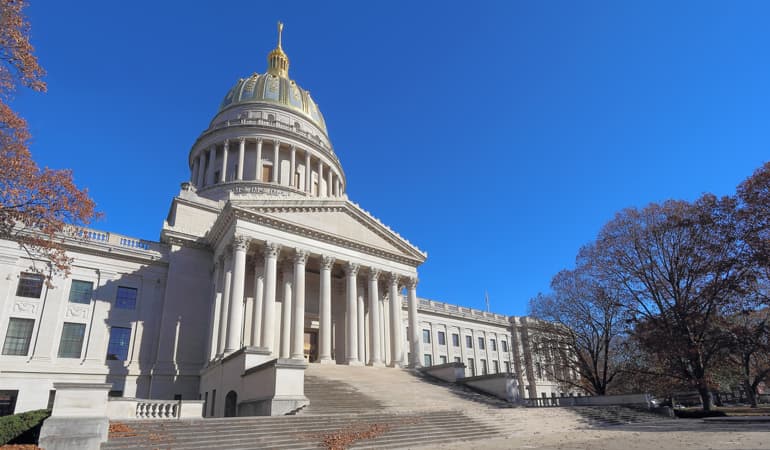
Roads in poor condition: 4.8%
Structurally deficient bridges: 20%
State highway spending per driver: $910
West Virginia spends more on highways per driver than many states, resulting in relatively fewer deficient roads. However, a staggering 20% of bridges remain structurally deficient, indicating a need for better resource allocation.
3. Maine

Roads in poor condition: 7.3%
Structurally deficient bridges: 13%
State highway spending per driver: $610
Maine struggles with deteriorating water quality and aging infrastructure, resulting in their position on this list.
4. Rhode Island

Roads in poor condition: 24.6%
Structurally deficient bridges: 23%
State highway spending per driver: $408
Ranking fourth, Rhode Island has the highest percentage of roads in poor condition in the nation—over one in four, according to the Federal Highway Administration.
5. Alaska

Roads in poor condition: 18.7%
Structurally deficient bridges: 10%
State highway spending per driver: $2,374
Alaska faces significant infrastructure challenges due to its size and geographic conditions, leading to serious issues with road quality and water safety.
6. New York
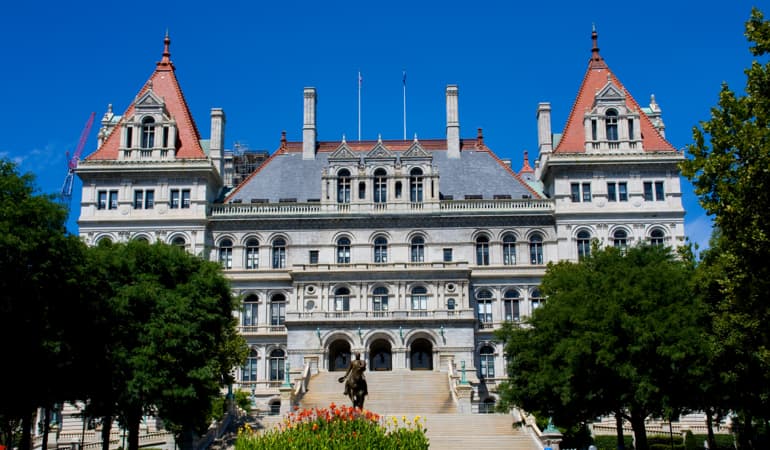
Roads in poor condition: 13.4%
Structurally deficient bridges: 10%
State highway spending per driver: $366
New York allocates a mere $366 per driver for highway maintenance, which may explain why 13.4% of its roads are considered inadequate, especially given its harsh winter conditions.
7. Louisiana

Roads in poor condition: 9.1%
Structurally deficient bridges: 13%
State highway spending per driver: $450
Louisiana faces its own infrastructure hurdles, with 13% of bridges being structurally deficient and 9.1% of roads in poor condition.
8. New Hampshire
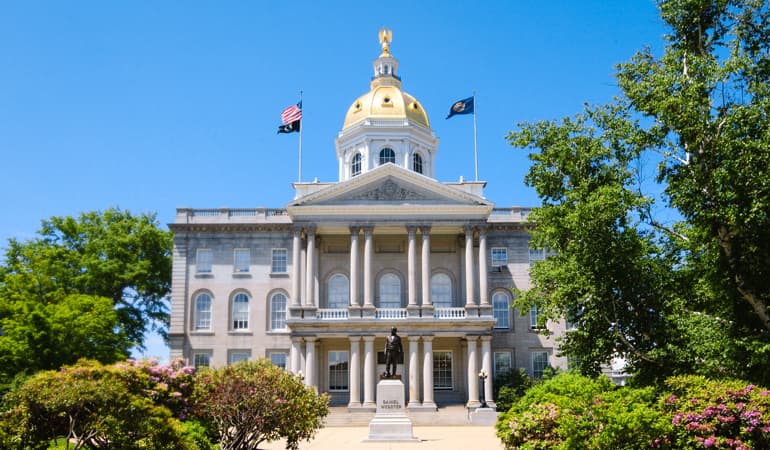
Roads in poor condition: 4.8%
Structurally deficient bridges: 9%
State highway spending per driver: $422
New Hampshire ranks eighth primarily due to alarming water quality issues, with around 20% of private wells reported to contain unsafe levels of arsenic.
9. New Jersey

Roads in poor condition: 16.8%
Structurally deficient bridges: 8%
State highway spending per driver: $516
New Jersey has one of the longest average commutes in the U.S. while grappling with a concerning 16.8% of roads in poor condition.
10. Massachusetts

Roads in poor condition: 15.4%
Structurally deficient bridges: 9%
State highway spending per driver: $495
Massachusetts benefits from high water quality, but the state still faces significant infrastructure challenges, as many drivers contend with long commutes and subpar road conditions.
What Crumbling Roads Mean For The Job Market
When companies consider relocation, they prioritize the quality of infrastructure capable of supporting their operations, including roads, energy, and technology. States with deteriorating infrastructure risk losing businesses looking to relocate or even those seeking to leave.
However, the pressing need for infrastructure improvements presents a unique opportunity for blue-collar workers, potentially leading to an increase in job openings in construction and maintenance sectors.
The States With The Worst Infrastructure

Author

Kathy is the head of content at Zippia with a knack for engaging audiences. Prior to joining Zippia, Kathy worked at Gateway Blend growing audiences across diverse brands. She graduated from Troy University with a degree in Social Science Education.