Find a Job You Really Want In
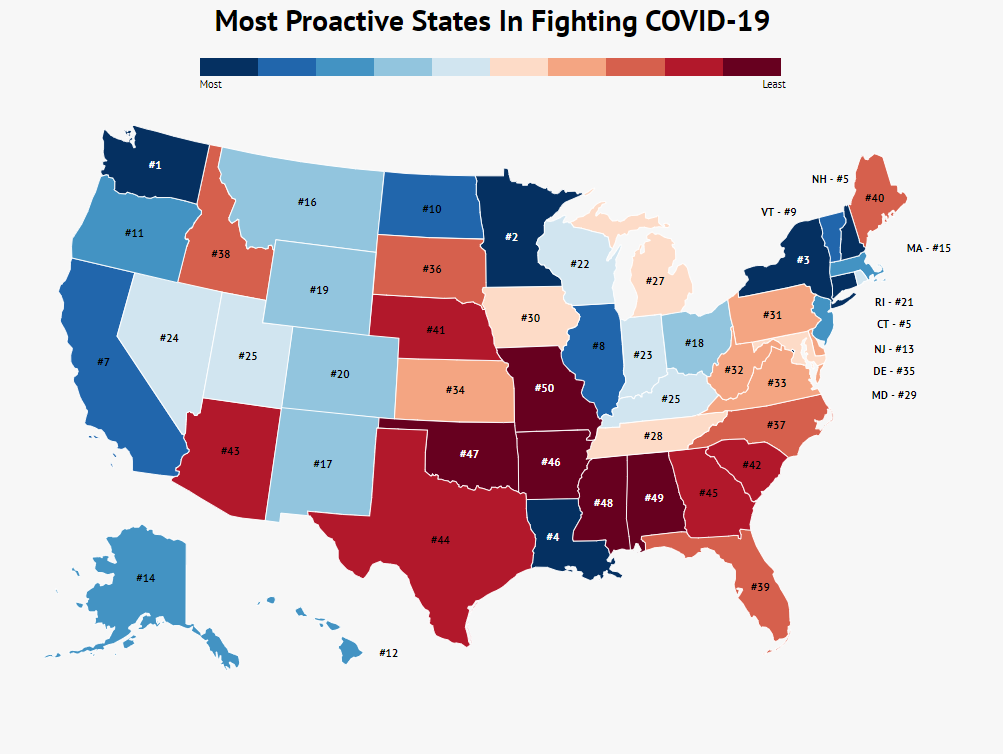
As we navigate the complexities of 2026, the impact of the COVID-19 pandemic has reshaped our understanding of public health and workplace dynamics. The lessons learned from the pandemic era continue to influence state policies and health infrastructure across the United States.
State governments have assumed significant responsibilities in managing public health, especially in the wake of the pandemic. While the federal government provides guidance, the implementation of health strategies and protocols varies widely by state. Some states have implemented robust policies to manage health crises, while others have faced challenges in maintaining effective responses.
In this article, we analyze which states have taken the most proactive measures to safeguard their populations against health crises like COVID-19 and how those measures have evolved in the current landscape.
The States That Are Most Proactively Fighting Health Crises
- Washington
- Minnesota
- New York
- Louisiana
- New Hampshire
- Connecticut
- California
- Illinois
- Vermont
- North Dakota
The states listed above have demonstrated significant proactivity in managing public health crises, supported by strong infrastructure to limit the spread of diseases. Continue reading to explore the metrics used to rank these states or jump to the bottom to find out how your state compares.
How We Determined The Most Proactive States In Fighting Health Crises
We ranked each state from 1 to 50 based on the following criteria:
- State-level policies on large gatherings, educational institutions, and business operations
- Tests administered per capita for COVID-19 and other health concerns
- Percentage of the population with health insurance
- Hospital beds available per 1,000 residents
- Historical data on flu and pneumonia mortality rates
- Percentage of the population aged 65 and older
- Percentage of smokers in the population
- Population density
Our analysis focused primarily on the actions states are taking to prevent the spread of diseases and actively monitor health outcomes. State-level policies regarding gatherings, school closures, and business operations were weighted heavily in our rankings. Early declarations of health emergencies were considered more proactive.
Next, we evaluated testing rates using data from health organizations and census information. A higher number of tests per million residents indicates a better grasp of the health situation within a state. Testing rates were counted twice for ranking purposes.
To assess each state’s capacity to manage health crises, we analyzed the number of hospital beds per 1,000 residents, using reliable data sources. Additionally, we looked at historical flu and pneumonia mortality rates to gauge states’ preparedness for future health emergencies.
We also considered the demographics of at-risk populations, including the elderly and smokers, as these groups face greater health risks. Lastly, population density was examined since higher density can complicate health management strategies.
Continue reading to see detailed statistics for the top 10 states, or scroll to the bottom for a comprehensive list of all 50 states.
1. Washington

Tests per million residents: 4503
Hospital beds per 1,000 people: 1.7
Percentage of the population aged 65 and older: 14.06 %
Washington has consistently shown leadership in health crisis management. The state quickly implemented measures such as canceling schools and public gatherings. Their extensive testing strategy has been instrumental in managing the health of residents, making them a model for proactive state leadership.
2. Minnesota

Tests per million residents: 2,035
Hospital beds per 1,000 people: 2.5
Percentage of the population aged 65 and older: 14.25 %
Minnesota ranks second due to its stringent health policies, which have been proactive even in the face of lower case numbers compared to neighboring states. Their approach is expected to mitigate future health impacts.
3. New York

Tests per million residents: 5319
Hospital beds per 1,000 people: 2.7
Percentage of the population aged 65 and older: 14.66 %
As a previous epicenter of the pandemic, New York has adapted by implementing extensive testing and health protocols. Despite challenges, the state remains committed to safeguarding public health through aggressive measures.
4. Louisiana

Tests per million residents: 2,463
Hospital beds per 1,000 people: 3.3
Percentage of the population aged 65 and older: 13.57 %
Louisiana has taken significant steps to manage health crises by prioritizing public safety through early intervention and closures, positioning them as a proactive state in health management.
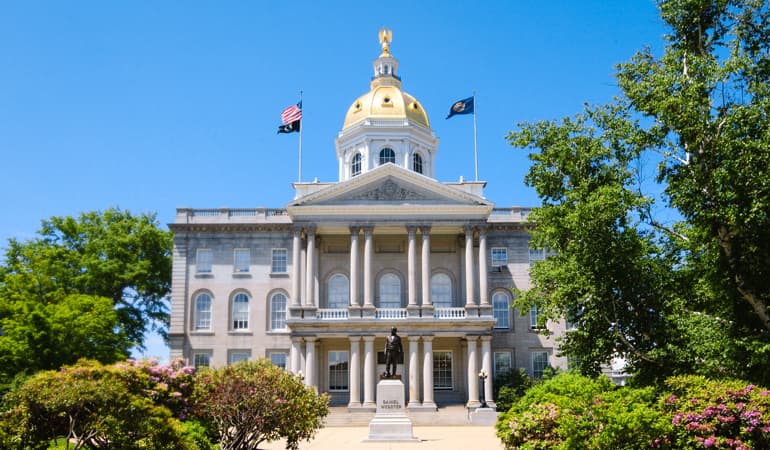
5. New Hampshire
Tests per million residents: 2,831
Hospital beds per 1,000 people: 2.1
Percentage of the population aged 65 and older: 15.79 %
New Hampshire’s proactive testing strategy and swift execution of health measures have kept its residents safer during health crises, earning it a place among the top states.
6. Connecticut

Tests per million residents: 1,654
Hospital beds per 1,000 people: 2
Percentage of the population aged 65 and older: 15.44 %
Connecticut’s close proximity to New York has necessitated a proactive stance in health management, leading to strict protocols that have been essential in managing health risks.
7. California

Tests per million residents: 1,694
Hospital beds per 1,000 people: 1.8
Percentage of the population aged 65 and older: 12.87 %
California has been a pioneer in establishing state-wide health policies, although testing rates indicate room for improvement to enhance health management strategies.
8. Illinois

Tests per million residents: 1,121
Hospital beds per 1,000 people: 2.5
Percentage of the population aged 65 and older: 13.88 %
Illinois ranks high for its proactive measures and swift health directives, making it one of the leaders in managing public health emergencies.
9. Vermont

Tests per million residents: 2,744
Hospital beds per 1,000 people: 2.1
Percentage of the population aged 65 and older: 17.02 %
The small state of Vermont has effectively managed health risks with a focus on testing and insurance coverage, proving to be a proactive force in public health.
10. North Dakota

Tests per million residents: 2,565
Hospital beds per 1,000 people: 4.3
Percentage of the population aged 65 and older: 14.16 %
North Dakota stands out due to its high number of hospital beds, aiding its health management strategy, despite a less aggressive approach to social distancing.
Closing Thoughts On The Most Proactive States In Fighting Health Crises
The response to public health crises has varied significantly across the United States, with states taking different paths to manage and mitigate risks. While some factors are beyond state control, proactive measures have been pivotal in shaping health outcomes.
The stark contrast in testing rates across states remains a critical factor. For instance, New York has administered 5,319 tests per million residents, while several states have struggled to reach even 1,000 tests per million. This disparity underscores the ongoing challenges faced in public health management.
As the landscape continues to evolve, we will regularly update our findings to reflect new data and state policies. For now, you can review the complete list of all 50 states below.
Please contact us at kmorris@zippia.com for additional questions or data requests.
The Most Proactive States In Fighting Health Crises, From Most To Least
| Unnamed: 0 | State | Tests Per Million | Hospital Beds Per 1,000 | Population Aged 65(%) |
|---|---|---|---|---|
| 1 | Washington | 4,503 | 1 | 14.06 % |
| 2 | Minnesota | 2,035 | 2 | 14.25 % |
| 3 | New York | 5,319 | 2 | 14.66 % |
| 4 | Louisiana | 2,463 | 3 | 13.57 % |
| 5 | New Hampshire | 2,831 | 2 | 15.79 % |
| 5 | Connecticut | 1,654 | 2 | 15.44 % |
| 7 | California | 1,694 | 1 | 12.87 % |
| 8 | Illinois | 1,121 | 2 | 13.88 % |
| 9 | Vermont | 2,744 | 2 | 17.02 % |
| 10 | North Dakota | 2,565 | 4 | 14.16 % |
| 11 | Oregon | 1,361 | 1 | 15.97 % |
| 12 | Hawaii | 3,144 | 1 | 16.07 % |
| 13 | New Jersey | 1,672 | 2 | 14.68 % |
| 14 | Alaska | 2,543 | 2 | 9.49 % |
| 15 | Massachusetts | 2,872 | 2 | 15.06 % |
| 16 | Montana | 2,052 | 3 | 16.62 % |
| 17 | New Mexico | 3,717 | 1 | 15.25 % |
| 18 | Ohio | 1,263 | 2 | 15.50 % |
| 19 | Wyoming | 1,724 | 3 | 13.75 % |
| 20 | Colorado | 1,400 | 1 | 12.69 % |
| 21 | Rhode Island | 1,559 | 2 | 15.84 % |
| 22 | Wisconsin | 1,833 | 2 | 15.21 % |
| 23 | Indiana | 498 | 2 | 14.27 % |
| 24 | Nevada | 1,578 | 2 | 14.11 % |
| 25 | Utah | 2,133 | 1 | 10.02 % |
| 25 | Kentucky | 739 | 3 | 14.80 % |
| 27 | Michigan | 437 | 2 | 15.44 % |
| 28 | Tennessee | 1,727 | 2 | 15.07 % |
| 29 | Maryland | 86 | 1 | 13.76 % |
| 30 | Iowa | 863 | 3 | 15.79 % |
| 31 | Pennsylvania | 962 | 2 | 16.69 % |
| 32 | West Virginia | 614 | 3 | 17.78 % |
| 33 | Virginia | 629 | 2 | 13.78 % |
| 34 | Kansas | 853 | 3 | 14.38 % |
| 35 | Delaware | 159 | 2 | 16.43 % |
| 36 | South Dakota | 1,275 | 4 | 15.16 % |
| 37 | North Carolina | 1,000 | 2 | 14.69 % |
| 38 | Idaho | 1,224 | 1 | 14.38 % |
| 39 | Florida | 1,105 | 2 | 19.06 % |
| 40 | Maine | 2,474 | 2 | 18.24 % |
| 41 | Nebraska | 790 | 3 | 14.39 % |
| 42 | South Carolina | 530 | 2 | 15.76 % |
| 43 | Arizona | 116 | 1 | 15.90 % |
| 44 | Texas | 465 | 2 | 11.49 % |
| 45 | Georgia | 595 | 2 | 12.37 % |
| 46 | Arkansas | 601 | 3 | 15.68 % |
| 47 | Oklahoma | 245 | 2 | 14.48 % |
| 48 | Mississippi | 653 | 4 | 14.27 % |
| 49 | Alabama | 606 | 3 | 15.39 % |
| 50 | Missouri | 118 | 3 | 15.37 % |

Author

Kathy is the head of content at Zippia with a knack for engaging audiences. Prior to joining Zippia, Kathy worked at Gateway Blend growing audiences across diverse brands. She graduated from Troy University with a degree in Social Science Education.