Explore jobs
Find specific jobs
Explore careers
Explore professions
Best companies
Explore companies
What is a controls technician and how to become one
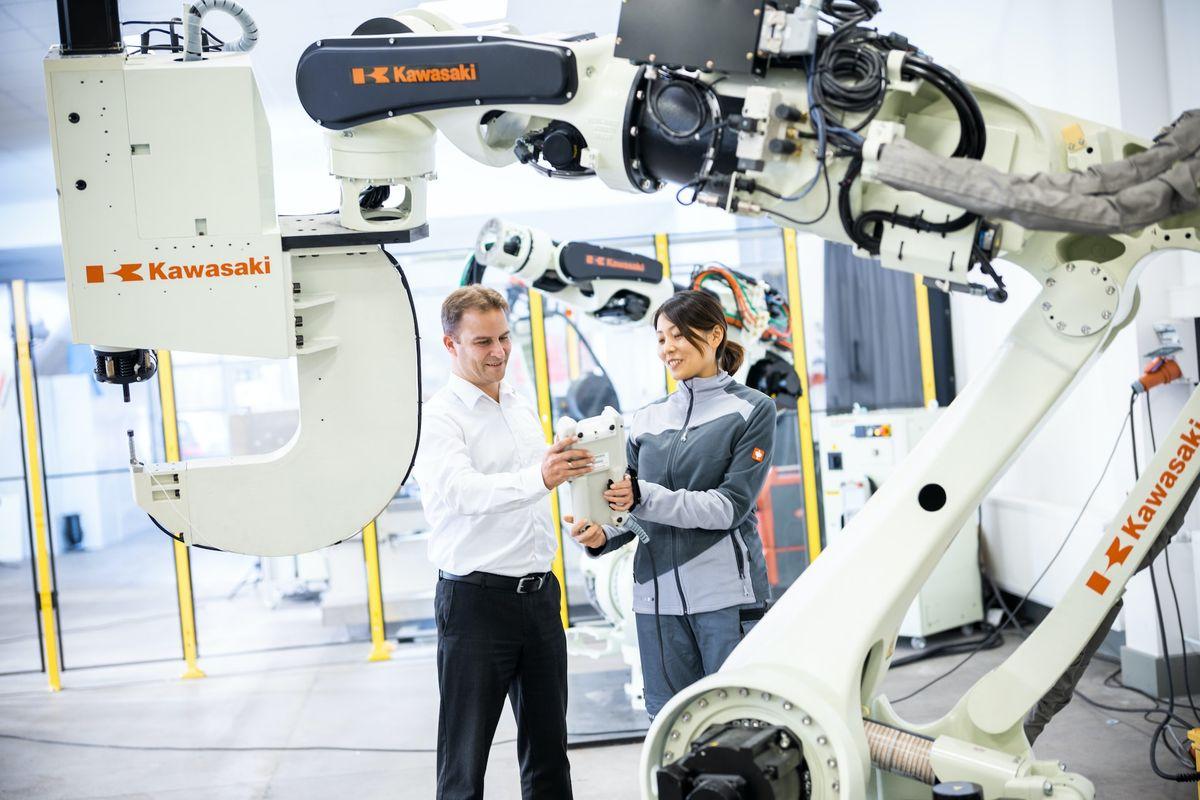
A controls technician installs, maintains, and repairs control systems for industrial and commercial facilities. They work with equipment such as sensors, programmable logic controllers (PLCs), and human-machine interfaces (HMIs) to ensure efficient operations. Their duties include troubleshooting, system maintenance, and programming or reprogramming systems. They also work with engineers and technicians to design and install new control systems. A controls technician needs analytical skills, attention to detail, and proficiency in electrical and mechanical systems.
What general advice would you give to a controls technician?
John Irwin EdD
Chair, Manufacturing and Mechanical Engineering Technology, Professor, Mechanical Engineering Technology, Michigan Technological University
Avg. Salary $53,345
Avg. Salary $59,228
Growth rate -4%
Growth rate 0.3%
American Indian and Alaska Native 0.69%
Asian 7.46%
Black or African American 9.53%
Hispanic or Latino 16.82%
Unknown 4.88%
White 60.63%
Genderfemale 15.96%
male 84.04%
Age - 46American Indian and Alaska Native 3.00%
Asian 7.00%
Black or African American 14.00%
Hispanic or Latino 19.00%
White 57.00%
Genderfemale 47.00%
male 53.00%
Age - 46Stress level is very high
7.1 - high
Complexity level is advanced
7 - challenging
Work life balance is poor
6.4 - fair
What are the pros and cons of being a controls technician?
Pros
Good earning potential
Opportunities for growth and advancement
High demand for skilled technicians
Job stability and security
Opportunity to work in different industries
Cons
Long working hours and on-call shifts
Risk of injury or accidents while working with machinery
Exposure to hazardous materials and chemicals
Potential for travel or relocation depending on job location
Repetitive tasks can become monotonous over time
Controls technician career paths
Key steps to become a controls technician
Explore controls technician education requirements
Start to develop specific controls technician skills
Skills Percentages PLC 8.18% Control Systems 7.00% Preventative Maintenance 6.56% HVAC 5.20% HMI 4.63% Complete relevant controls technician training and internships
Accountants spend an average of 6-12 months on post-employment, on-the-job training. New controls technicians learn the skills and techniques required for their job and employer during this time. The chart below shows how long it takes to gain competency as a controls technician based on U.S. Bureau of Labor Statistics data and data from real controls technician resumes.Gain additional controls technician certifications
More About CertificationsControls technician certifications can show employers you have a baseline of knowledge expected for the position. Certifications can also make you a more competitive candidate. Even if employers don't require a specific controls technician certification, having one may help you stand out relative to other applicants.
The most common certifications for controls technicians include EPA Amusement Operators Safety Certification (EPA) and Master Certified Electronics Technician (CETma).
Research controls technician duties and responsibilities
- Supervise and manage several environmental ECAS annual, monthly and weekly reports in cooperation with regional CEMS manager for federal compliance.
- Establish communication links and prepare machines for bench-testing to attain UL certification.
- Work with all electrical components, relays, sensors, ac and dc motors, drivers servo systems and pneumatics systems.
- Perform PLC program creation and modifications and electronic modifications to production equipment.
Prepare your controls technician resume
When your background is strong enough, you can start writing your controls technician resume.
You can use Zippia's AI resume builder to make the resume writing process easier while also making sure that you include key information that hiring managers expect to see on a controls technician resume. You'll find resume tips and examples of skills, responsibilities, and summaries, all provided by Zippi, your career sidekick.
Choose from 10+ customizable controls technician resume templates
Build a professional controls technician resume in minutes. Browse through our resume examples to identify the best way to word your resume. Then choose from 10+ resume templates to create your controls technician resume.


Apply for controls technician jobs
Now it's time to start searching for a controls technician job. Consider the tips below for a successful job search:
- Browse job boards for relevant postings
- Consult your professional network
- Reach out to companies you're interested in working for directly
- Watch out for job scams
How did you land your first controls technician job

Are you a controls technician?
Share your story for a free salary report.
Average controls technician salary
The average controls technician salary in the United States is $53,345 per year or $26 per hour. Controls technician salaries range between $37,000 and $75,000 per year.
What am I worth?

How do controls technicians rate their job?
Controls technician reviews

When I do. Not accomplish my goals or tasks do not complete my work.
Enjoy every aspect of this job.from dealing with my customets to making sure that the job is being done correct and on time. Customsrs being happy as well as my boss's being happy.
Controls technician FAQs
Search for controls technician jobs
Controls technician jobs by state
- Controls technician jobs in Alaska
- Controls technician jobs in Alabama
- Controls technician jobs in Arkansas
- Controls technician jobs in Arizona
- Controls technician jobs in California
- Controls technician jobs in Colorado
- Controls technician jobs in Connecticut
- Controls technician jobs in District of Columbia
- Controls technician jobs in Delaware
- Controls technician jobs in Florida
- Controls technician jobs in Georgia
- Controls technician jobs in Hawaii
- Controls technician jobs in Iowa
- Controls technician jobs in Idaho
- Controls technician jobs in Illinois
- Controls technician jobs in Indiana
- Controls technician jobs in Kansas
- Controls technician jobs in Kentucky
- Controls technician jobs in Louisiana
- Controls technician jobs in Massachusetts
- Controls technician jobs in Maryland
- Controls technician jobs in Maine
- Controls technician jobs in Michigan
- Controls technician jobs in Minnesota
- Controls technician jobs in Missouri
- Controls technician jobs in Mississippi
- Controls technician jobs in Montana
- Controls technician jobs in North Carolina
- Controls technician jobs in North Dakota
- Controls technician jobs in Nebraska
- Controls technician jobs in New Hampshire
- Controls technician jobs in New Jersey
- Controls technician jobs in New Mexico
- Controls technician jobs in Nevada
- Controls technician jobs in New York
- Controls technician jobs in Ohio
- Controls technician jobs in Oklahoma
- Controls technician jobs in Oregon
- Controls technician jobs in Pennsylvania
- Controls technician jobs in Puerto Rico
- Controls technician jobs in Rhode Island
- Controls technician jobs in South Carolina
- Controls technician jobs in South Dakota
- Controls technician jobs in Tennessee
- Controls technician jobs in Texas
- Controls technician jobs in Utah
- Controls technician jobs in Virginia
- Controls technician jobs in Vermont
- Controls technician jobs in Washington
- Controls technician jobs in Wisconsin
- Controls technician jobs in West Virginia
- Controls technician jobs in Wyoming
Updated January 8, 2025
