Find a Job You Really Want In
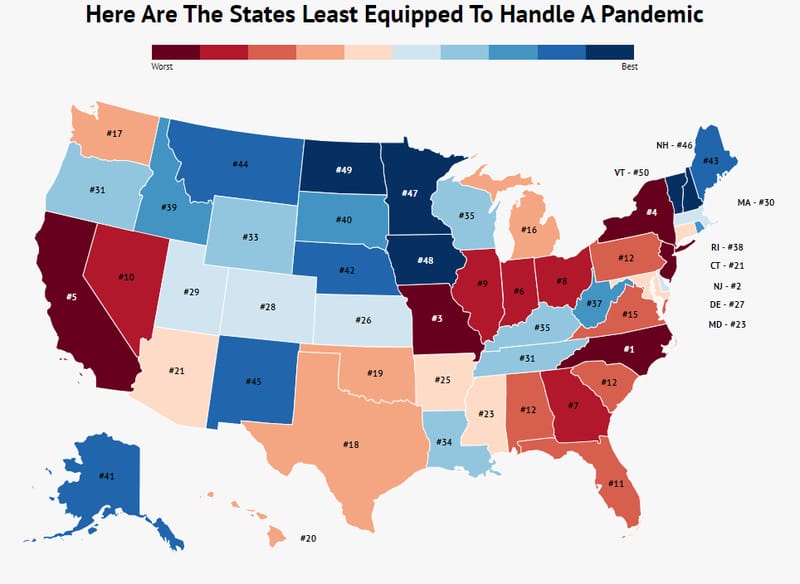
As we move further into 2026, it’s crucial to assess how prepared different states are for potential health crises. The lessons learned from recent global health events, including the COVID-19 pandemic, have highlighted significant disparities in healthcare readiness across the United States. Understanding which states are least prepared can help inform policy changes and public health strategies.
To identify the states that are least equipped to handle a pandemic, we analyzed various metrics such as CDC funding, vaccination rates, and healthcare infrastructure.
Here are the states least equipped to handle a pandemic:
How We Determined The States Least Ready For A Pandemic
- Total CDC Funding Per Capita
- Population Density
- Vaccination Rate
- Uninsured Rate
- Hospitals Per Population
- Flu/Pneumonia Deaths Per 100k
Our analysis began with total CDC funding per capita. Each state has its own health organizations, but CDC support plays a critical role in their effectiveness. Increased funding generally correlates with better pandemic preparedness.
Next, we examined population density, using data from the ACS. High density can accelerate the spread of contagious diseases, making preparedness even more essential.
We also looked at vaccination rates, sourced from the World Population Review. While current vaccines may not protect against future pandemics, they indicate a state’s healthcare access and public compliance with health recommendations. The uninsured rate was similarly analyzed, as uninsured individuals may delay seeking medical assistance, exacerbating public health risks.
To assess each state’s healthcare capacity, we reviewed hospital availability per population from the Kaiser Foundation. Lastly, we considered historical data on flu and pneumonia death rates per 100,000 from the CDC, as these rates can be predictive of a state’s ability to manage serious health crises.
1. North Carolina

Uninsured Rate: 10.7%
CDC Funding Per Capita: $18.81
Vaccination Rate: 85.30%
North Carolina ranks as the least prepared state to handle a serious health crisis, with low CDC funding, a challenging hospital-to-patient ratio, and a history of inadequate flu management.
2. New Jersey

Uninsured Rate: 7.4%
CDC Funding Per Capita: $16.59
Vaccination Rate: 79.40%
New Jersey’s high population density combined with limited CDC funding makes it the second least prepared state for a pandemic.
3. Missouri

Uninsured Rate: 9.4%
CDC Funding Per Capita: $18.98
Vaccination Rate: 75.50%
Missouri faces serious challenges with low vaccination rates and high uninsured populations, contributing to its third-place ranking.
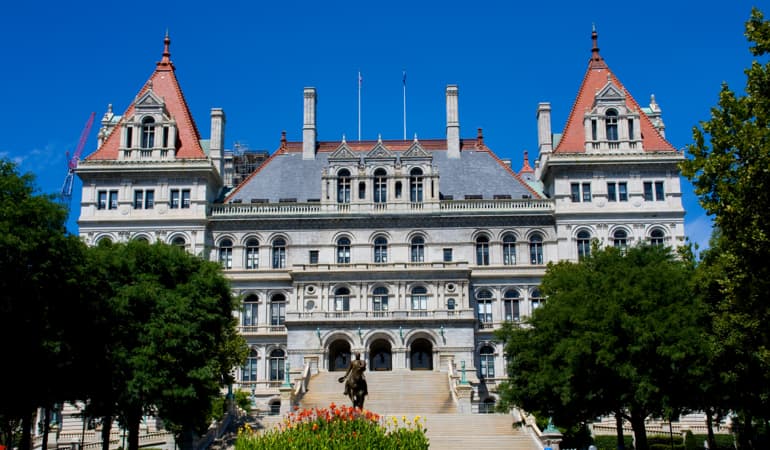
4. New York
Uninsured Rate: 5.4%
CDC Funding Per Capita: $19.41
Vaccination Rate: 81.70%
Despite a majority of insured residents, New York’s high population density and inadequate historical flu management leave it vulnerable in a health crisis.
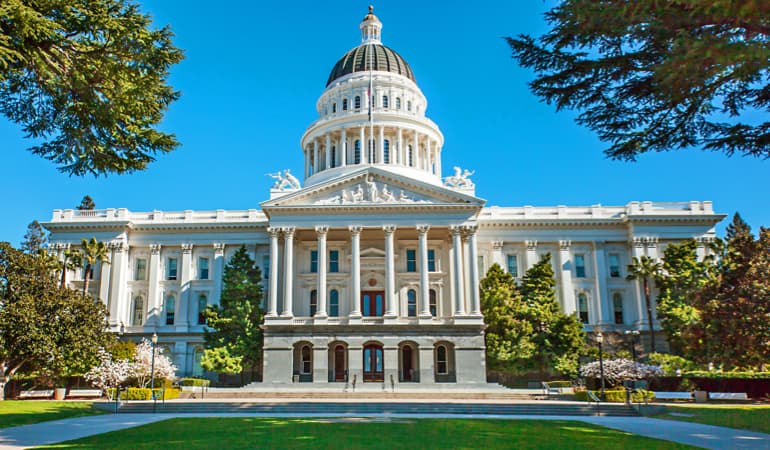
5. California
Uninsured Rate: 7.2%
CDC Funding Per Capita: $19.61
Vaccination Rate: 80.90%
While California offers great healthcare access, the high number of people per hospital raises concerns about its capacity to handle a significant health crisis.
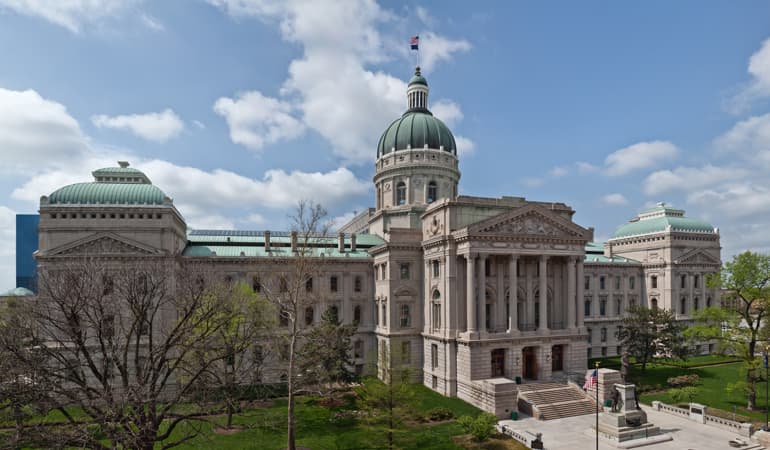
6. Indiana
Uninsured Rate: 8.3%
CDC Funding Per Capita: $17.11
Vaccination Rate: 78.60%
Indiana’s lower vaccination rate contributes to its ranking as the sixth least prepared state for a pandemic.
7. Georgia

Uninsured Rate: 13.7%
CDC Funding Per Capita: $26.50
Vaccination Rate: 78.80%
Georgia faces significant challenges due to a high uninsured rate, which complicates its preparedness for health crises.
8. Ohio
Uninsured Rate: 6.5%
CDC Funding Per Capita: $17.90
Vaccination Rate: 80.50%
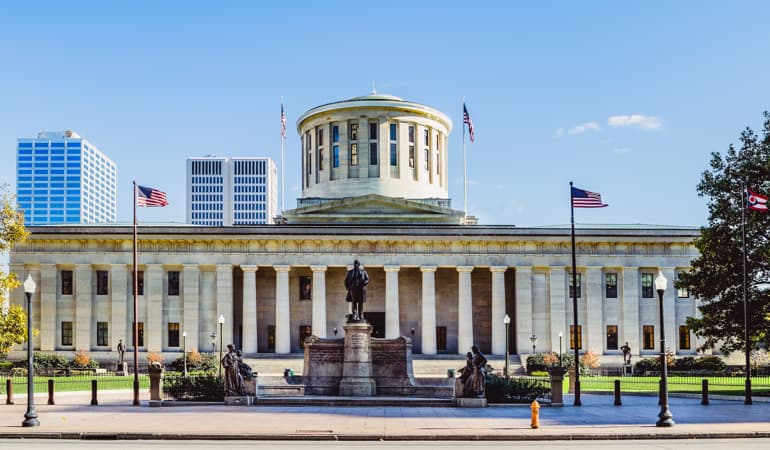
Ohio’s CDC funding is significantly lower than that of many states, impacting its preparedness levels.
9. Illinois

Uninsured Rate: 7%
CDC Funding Per Capita: $16.76
Vaccination Rate: 83.00%
Illinois’ dense population and limited CDC funding contribute to its ninth-place ranking among the least prepared states.
10. Nevada

Uninsured Rate: 11.2%
CDC Funding Per Capita: $21.55
Vaccination Rate: 80.40%
Nevada’s high uninsured rate and historical challenges with flu management put it in the top ten least prepared states.
Summary On States Most Poorly Equipped To Handle A Pandemic
While the future of public health remains uncertain, it is clear that states with robust funding and infrastructure will be better positioned to combat potential health crises. Adequate preparation, informed by past lessons, will be vital in addressing future challenges. Below, you can find detailed data on the states least and most equipped to handle a pandemic.
States Least (And Most) Equipped To Handle A Pandemic
| Rank | State |
|---|---|
| 1 | North Carolina |
| 2 | New Jersey |
| 3 | Missouri |
| 4 | New York |
| 5 | California |
| 6 | Indiana |
| 7 | Georgia |
| 8 | Ohio |
| 9 | Illinois |
| 10 | Nevada |
| 11 | Florida |
| 12 | South Carolina |
| 12 | Pennsylvania |
| 12 | Alabama |
| 15 | Virginia |
| 16 | Michigan |
| 17 | Washington |
| 18 | Texas |
| 19 | Oklahoma |
| 20 | Hawaii |
| 21 | Connecticut |
| 21 | Arizona |
| 23 | Maryland |
| 23 | Mississippi |
| 25 | Arkansas |
| 26 | Kansas |
| 27 | Delaware |
| 28 | Colorado |
| 29 | Utah |
| 30 | Massachusetts |
| 31 | Oregon |
| 31 | Tennessee |
| 33 | Wyoming |
| 34 | Louisiana |
| 35 | Wisconsin |
| 35 | Kentucky |
| 37 | West Virginia |
| 38 | Rhode Island |
| 39 | Idaho |
| 40 | South Dakota |
| 41 | Alaska |
| 42 | Nebraska |
| 43 | Maine |
| 44 | Montana |
| 45 | New Mexico |
| 46 | New Hampshire |
| 47 | Minnesota |
| 48 | Iowa |
| 49 | North Dakota |
| 50 | Vermont |

Author

Kathy is the head of content at Zippia with a knack for engaging audiences. Prior to joining Zippia, Kathy worked at Gateway Blend growing audiences across diverse brands. She graduated from Troy University with a degree in Social Science Education.