Explore jobs
Find specific jobs
Explore careers
Explore professions
Best companies
Explore companies
This question is about careers.
Can a publicly traded company become private?
Yes, a publicly traded company can become private. This process is commonly known as "going private" and involves the company's shares no longer being traded on a public stock exchange.
A notable example of a company going private is the computer company Dell. In 2013, it underwent a significant transaction to become a private company. Founder Michael Dell, along with private equity firm Silver Lake, acquired all outstanding shares in a $24.9 billion deal. This move allowed Dell to restructure its operations, invest in research and development, and pursue its long-term strategy without the pressures of being a publicly traded company.
There are various reasons why a company may choose to go private. One common motive is to gain more control and flexibility over the company's operations and decision-making. As a private company, for example, management can focus on long-term strategies without the pressures of meeting quarterly earnings expectations and the scrutiny of public shareholders.
To go private, a company typically does one of two things: a leveraged buyout (LBO) or a management buyout (MBO).
- In an LBO, a group of private investors, including management and private equity firms, acquires the outstanding shares of the company. This is often financed through a combination of debt and equity.
- An MBO, on the other hand, involves the existing management team leading the buyout and taking the company private.
It's important to note that going private can have implications for existing shareholders, as their shares may be bought out at a premium or converted into shares of the newly privatized entity. Additionally, as a private company, financial information and operational details are no longer readily available to the public, which can impact transparency and investor relations.

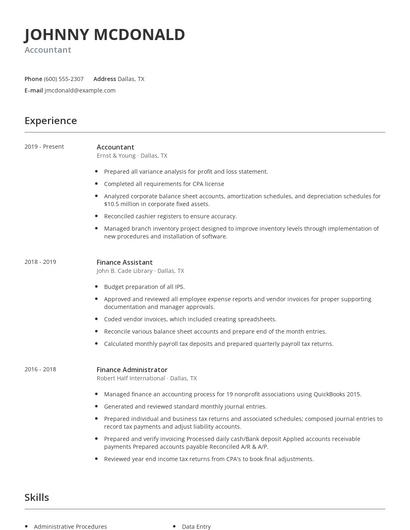
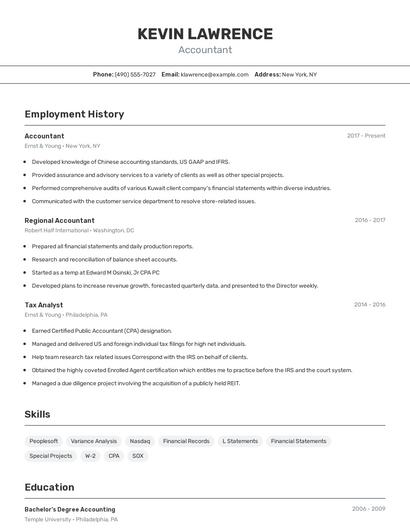
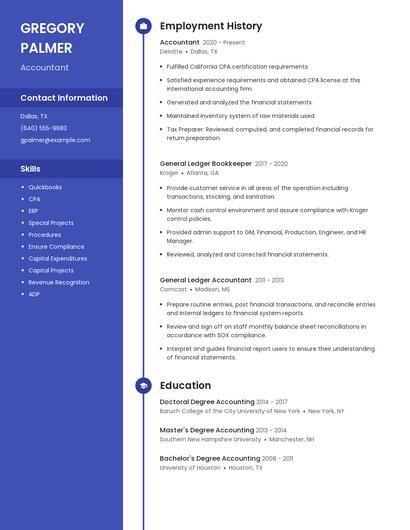
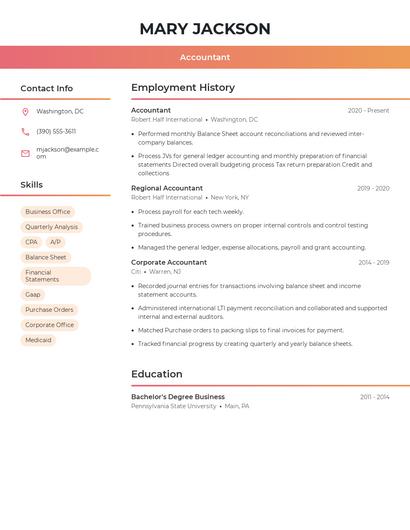
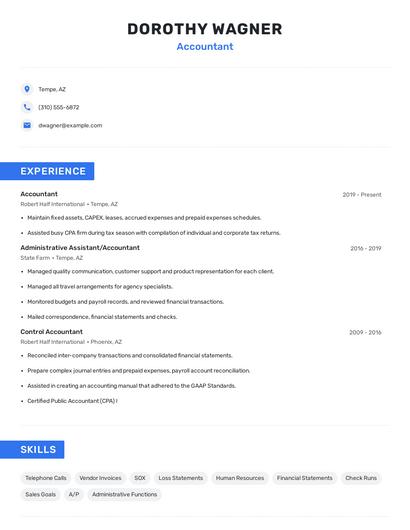
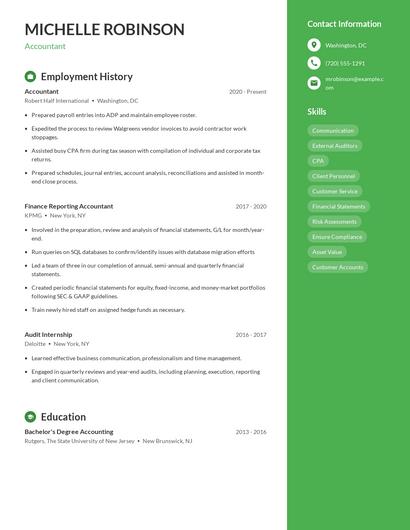
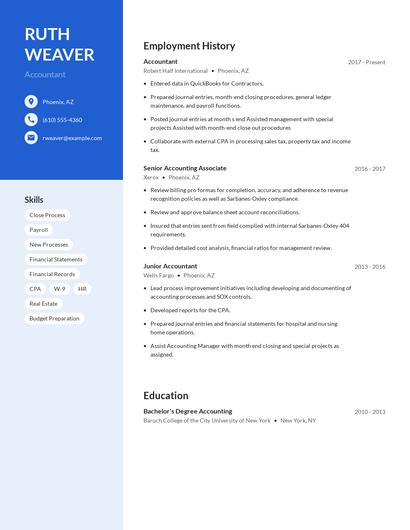
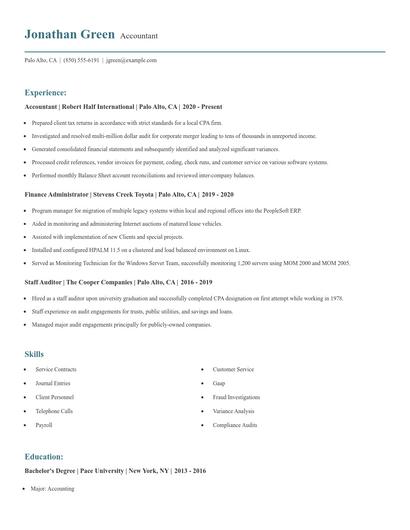
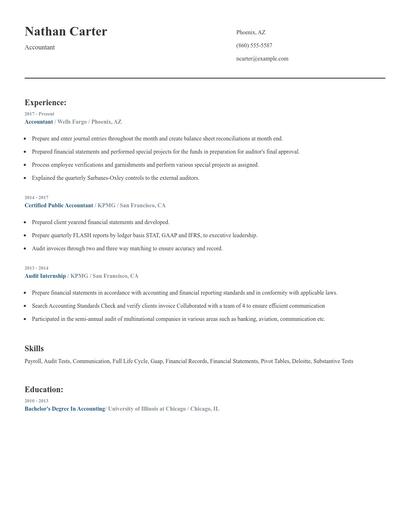
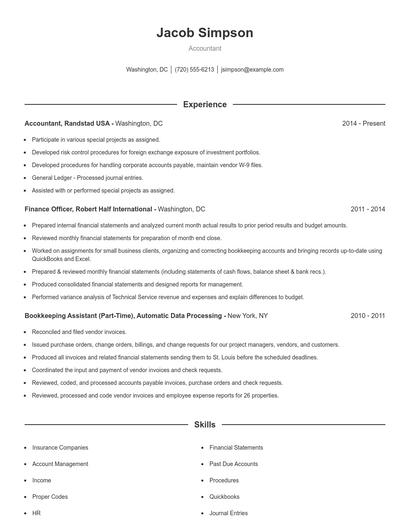
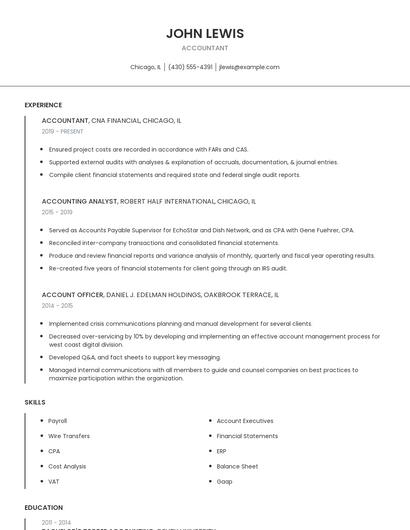
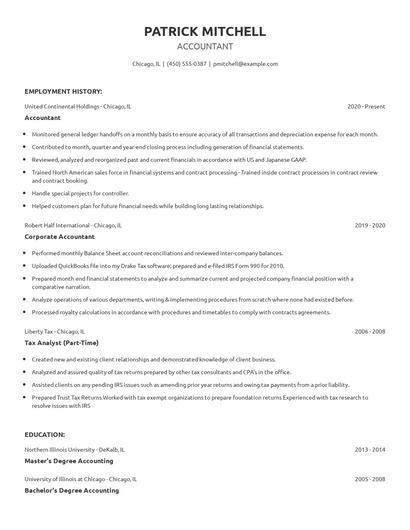
Choose from 10+ customizable resume templates
Zippia allows you to choose from different easy-to-use templates, and provides you with expert advice. Using the templates, you can rest assured that the structure and format of your resume is top notch. Choose a template with the colors, fonts & text sizes that are appropriate for your industry.