Explore jobs
Find specific jobs
Explore careers
Explore professions
Best companies
Explore companies
This question is about employer.
Can you terminate an employee while on workers' comp?
Yes, you can terminate an employee while on workers' comp, but it must be for reasons that are unrelated to their injury or claim. To be a legal termination, it must not be discriminatory or retaliatory in nature.
Terminating an employee while they are on workers' compensation can be a complex and sensitive situation. While it is technically possible to do so, employers must tread carefully to avoid potential legal issues. In general, the reasons for termination must be completely independent of the worker's injury or their filing of a workers' compensation claim.
For instance, if an employer needs to conduct layoffs due to economic reasons, and the employee on workers' compensation would have been included in these layoffs regardless of their injury or claim, termination could be considered legal. Similarly, if the employee had been underperforming or violating company policy prior to their claim, these could also potentially serve as valid grounds for termination.
However, employers cannot fire an employee simply because they are injured or have filed a workers' compensation claim. This is considered retaliation and is against the law in most jurisdictions. Similarly, employers cannot discriminate against employees on workers' compensation, such as by treating them differently than other employees with regard to their benefits or job duties.
If an employee feels they have been wrongfully terminated while on workers' compensation, they may have grounds to file a lawsuit against their employer. Therefore, it's always recommended that employers consult with a legal professional before proceeding with such a decision.

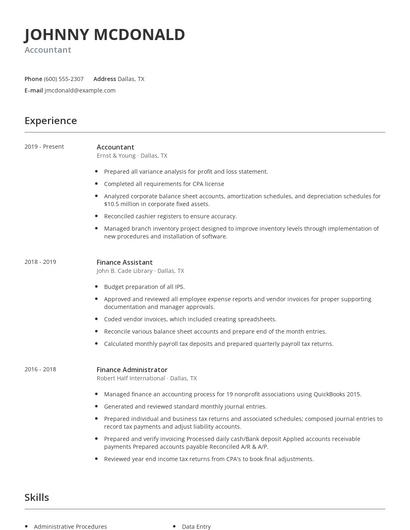
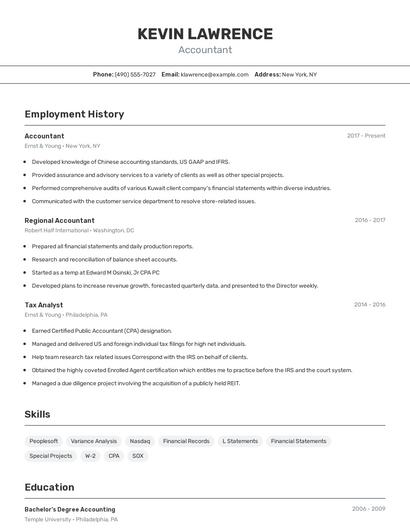
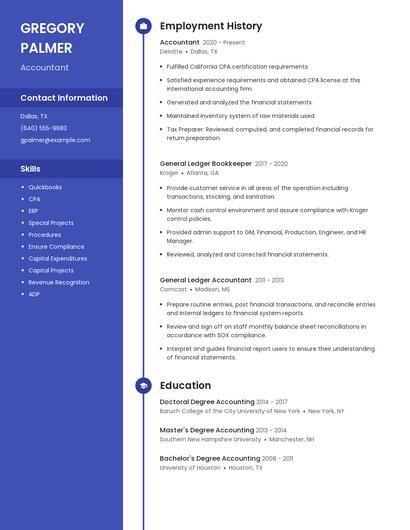
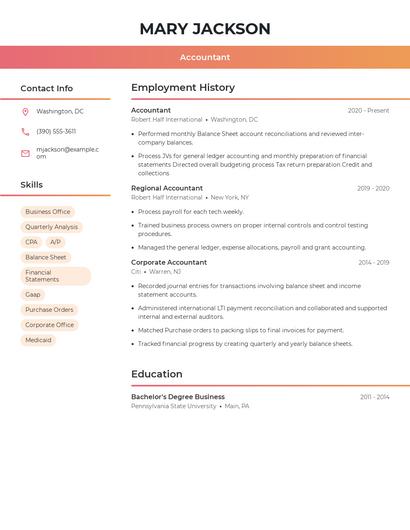
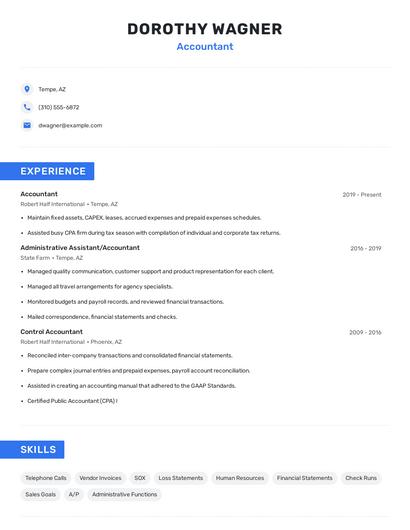
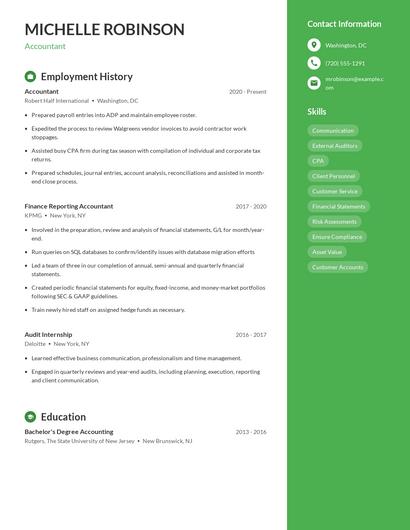
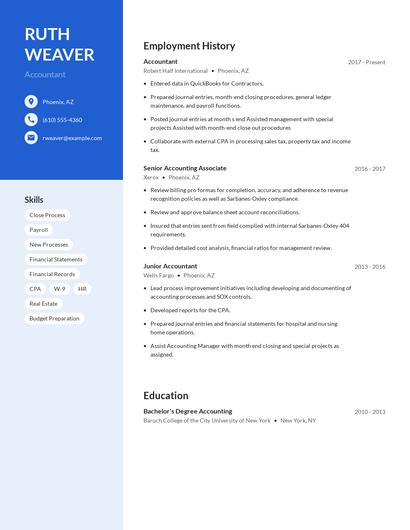
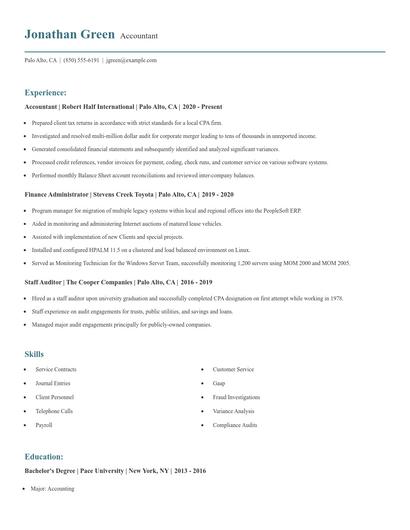
Choose from 10+ customizable resume templates
Zippia allows you to choose from different easy-to-use templates, and provides you with expert advice. Using the templates, you can rest assured that the structure and format of your resume is top notch. Choose a template with the colors, fonts & text sizes that are appropriate for your industry.