Explore jobs
Find specific jobs
Explore careers
Explore professions
Best companies
Explore companies
This question is about salaries.
How do invoices work?
Invoices work by outlining the details of goods or services that have been provided by a seller to a buyer. It typically includes information such as the type and quantity of goods or services provided, the agreed-upon price, the date of the transaction, and the payment terms.
When a buyer receives an invoice, for example, they are expected to review it for accuracy and completeness. If the invoice is correct, the buyer is responsible for paying the seller according to the payment terms outlined on the invoice. Payment terms can vary, but often include a due date by which payment must be made, as well as any discounts or penalties for early or late payment.
In some cases, a buyer may dispute an invoice if they believe that the goods or services provided were not as described or were not delivered as expected. In these situations, the buyer and seller will need to work together to resolve the dispute and come to an agreement on how to proceed.
Invoices are an important part of the financial record-keeping process for both buyers and sellers and are often used for tax and accounting purposes.
The steps to creating and sending an invoice include:
Creation. The seller creates an invoice that includes information such as the date, a unique invoice number, the buyer's name and address, a description of the goods or services provided, the quantity, the price per unit, and the total amount due.
Delivery. The seller delivers the invoice to the buyer, either electronically or in paper form.
Payment. The buyer reviews the invoice and makes payment according to the payment terms agreed upon. This may involve sending a check, making an electronic payment, or using a credit card.
Record-keeping. Both the buyer and the seller keep a copy of the invoice for their records. The seller may also use the invoice to track their accounts receivable, while the buyer may use it to track their accounts payable.
Invoices can be used for a variety of purposes, such as billing for products or services, requesting payment for outstanding balances, and recording transactions for tax or accounting purposes. Invoices are an important part of the financial process for many businesses, and ensuring that they are accurate and timely is crucial for maintaining good relationships with customers and vendors.
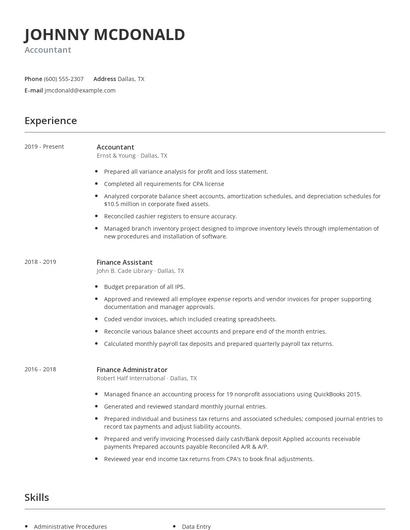
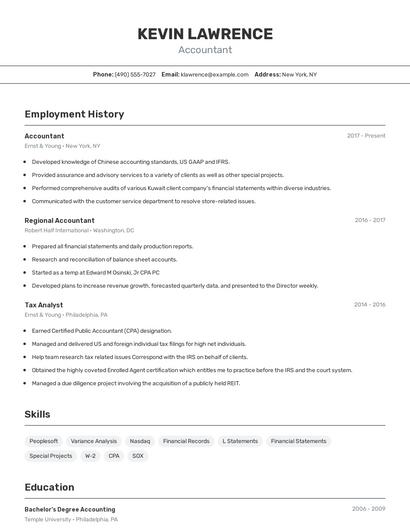
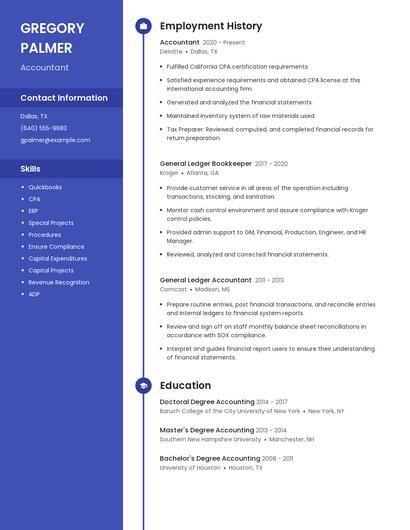
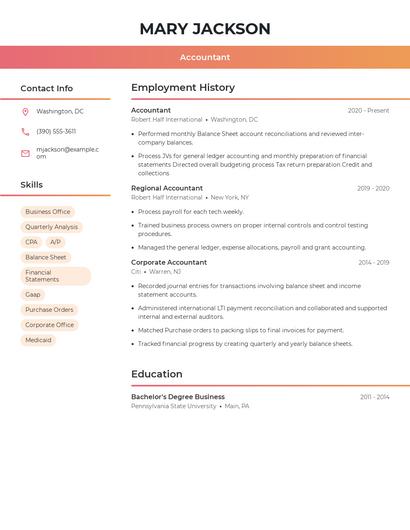
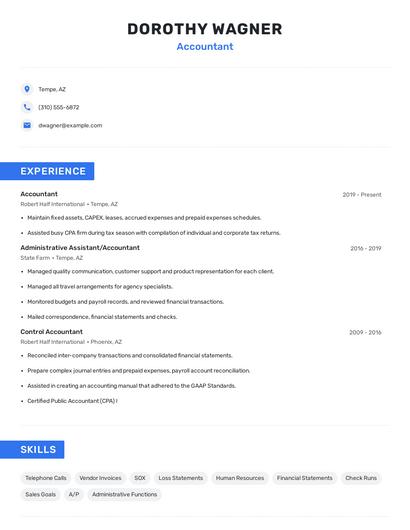
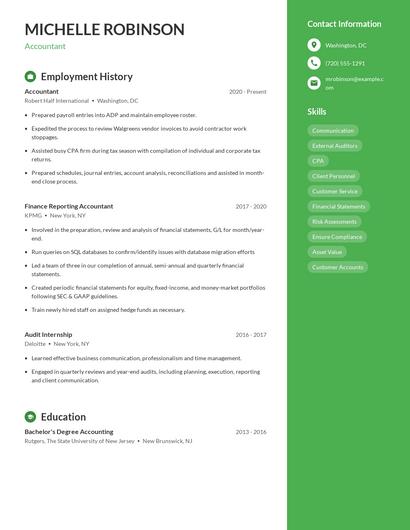
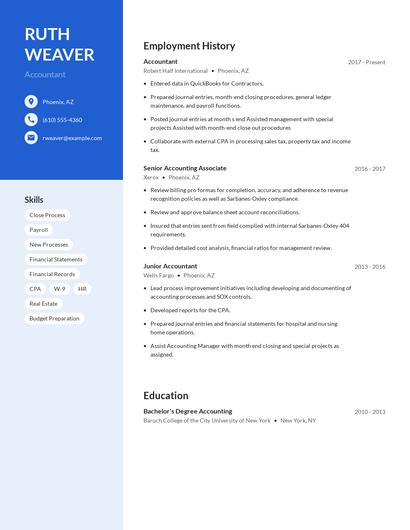
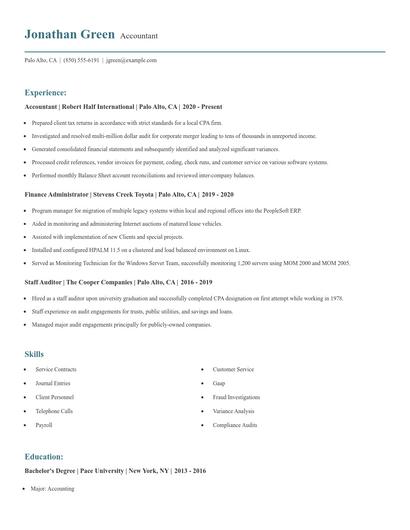
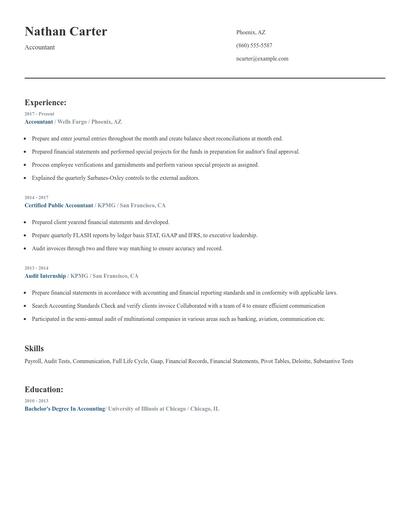
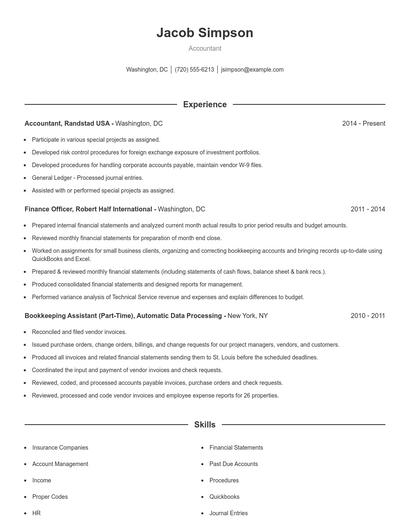
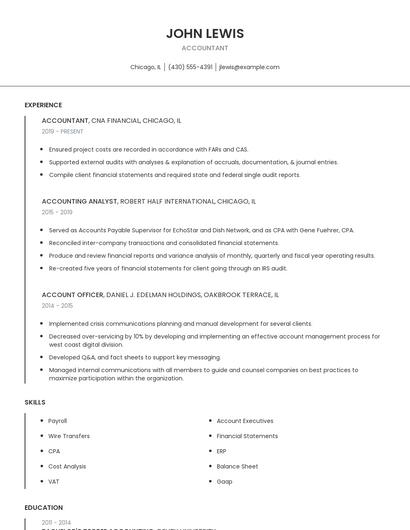
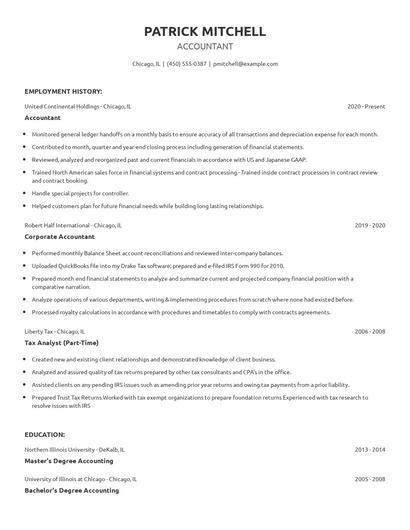
Choose from 10+ customizable resume templates
Zippia allows you to choose from different easy-to-use templates, and provides you with expert advice. Using the templates, you can rest assured that the structure and format of your resume is top notch. Choose a template with the colors, fonts & text sizes that are appropriate for your industry.