Explore jobs
Find specific jobs
Explore careers
Explore professions
Best companies
Explore companies
This question is about employer.
How much is a merit increase typically?
Typically, a merit increase should be between 3% to 5% of an employee's annual salary.
Most merit increases are a small percentage of an employee's overall salary, but that also depends on the performance of each specific employee. An employer might give one employee a 1% merit increase while offering another employee a 10% merit increase.
A merit increase is a pay raise that employers offer based on the employee's work performance, skills, and goals achieved. Some employers offer merit increases annually, while others offer them at any time to directly respond to an employee performing outstanding work.
Importance of merit increases. Merit increases are important because they enable employers to reward and motivate their employees. This tactic can greatly impact employees' overall work performance, commitment to their roles, and development.
Merit increases can also help to improve employee retention rates at a company by making its employees more loyal.
Merit increase eligibility. Employers can create their own sets of standards for determining who is eligible to receive a merit increase in pay. The main criteria normally apply to work performance, productivity, and achievements.
Some employers may also use specific metrics to determine which employees get merit increases, like sales quota data.
Merit increase calculation. To execute a merit increase calculation, you must determine the percentage. As stated above, the typical merit increase falls from 3% to 5%.
So, if you are planning on giving an employee who earns a $100,000 per year salary a merit increase of 3%, then you would offer this employee a $3,000 merit increase in pay.
Review relevant performance records for merit increases. Going over status reports related to the employee's position can be extremely helpful in determining which employees are eligible for a merit increase and the specific percentage it should be.
Many companies do weekly, or monthly status reports to keep up with employees' progress and struggles. Try to hone in on milestones, accomplishments, and challenges. Here are some options:
Review any previous performance evaluations the employee has been through
Review any performance records associated with teams or departments the employee is a part of to see how they are contributing to the overall picture
Keeping detailed employee performance records is a huge benefit to companies; it helps them gauge progress concerning employees in the short and long-term, and it also helps you determine who deserves a merit increase.
Detail strengths and weaknesses of employees to determine merit increases. Using prior performance reviews, employee evaluations, and job descriptions, create a list of the employee's strengths and weaknesses from these documents.
Then you can cross-check the employee's performance with the standards you have created for a potential merit increase. You can also enlist the help of your human resource (HR) department in this area.

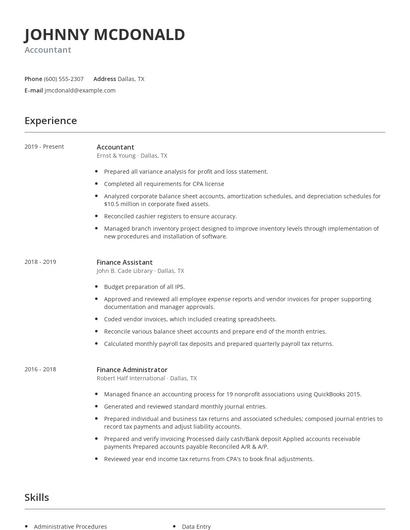
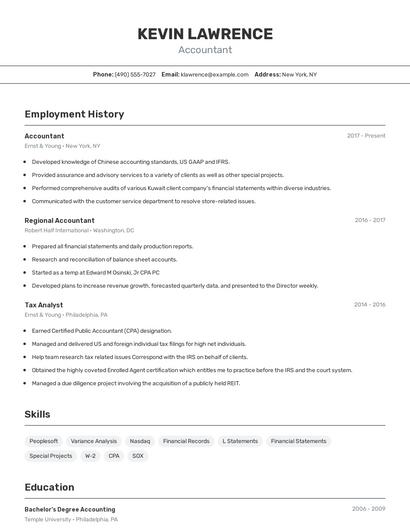
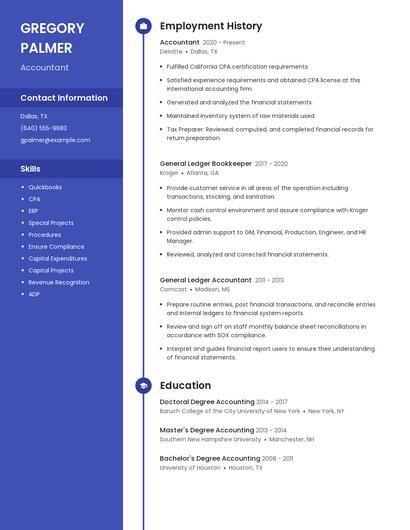
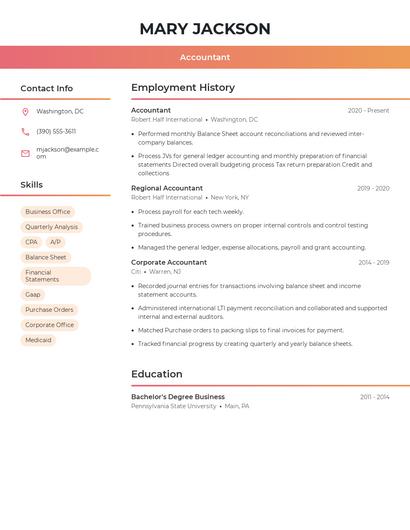
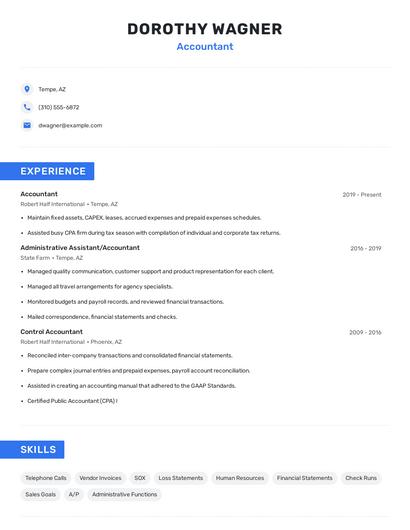
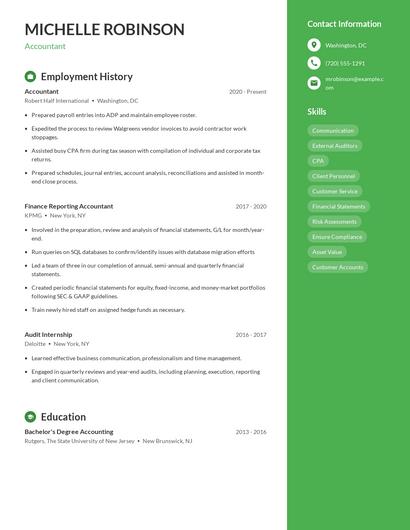
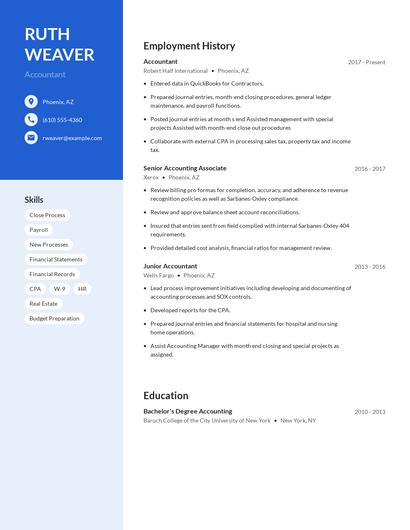
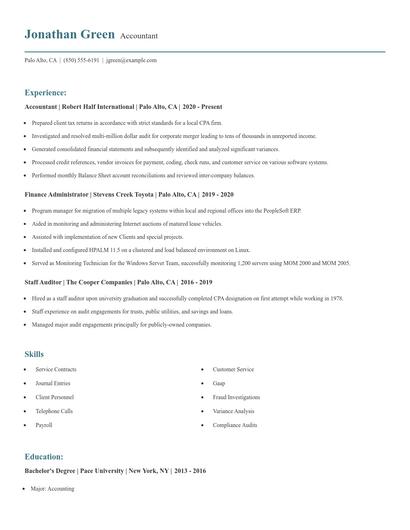
Choose from 10+ customizable resume templates
Zippia allows you to choose from different easy-to-use templates, and provides you with expert advice. Using the templates, you can rest assured that the structure and format of your resume is top notch. Choose a template with the colors, fonts & text sizes that are appropriate for your industry.