Explore jobs
Find specific jobs
Explore careers
Explore professions
Best companies
Explore companies
This question is about employer.
How to calculate total assets
To calculate total assets, add up all of the company's tangible and intangible assets. Tangible assets include cash, accounts receivable, inventory, prepaid expenses, investments, property, equipment, and vehicles. Intangible assets include patents, copyrights, trademarks, and goodwill.
Total assets are the sum of all a company's resources, which can be financial or physical. One example of how to calculate total assets may look like this:
Total Assets = Current Cash + Fixed Assets - Liabilities
A person's total assets include items or property they own that they can exchange later for money. If you work in accounting, you might also find the total assets of clients to understand their investments and sales results.
Learning how to calculate this type of asset can help you develop the financial literacy necessary for success in an accounting or money management role.
Asset categories:
Current assets - assets that owners can exchange for money within one year of ownership. This can include cash, inventory, marketable securities, accounts receivable, and any prepaid expenses. Understanding these assets is important since they impact the short-term financial health of an individual or company.
Long-term assets - these are assets that an owner plans to keep and use for more than a year before selling. In some cases, these assets can increase in value as the owner waits to sell them. They include tangible assets like property, buildings, or vehicles and intangible assets like insurance policies or trademarks. These assets can also include goodwill or the purchase price of a company that exceeds its fair market value.
How to calculate total assets:
Determine equity - Add the value of anything you own that you can sell for cash in the future (current + long-term assets)
Total the liabilities - Find the value of your total liabilities, which include ongoing or outstanding costs. This might refer to expenses such as rent, utility costs, or bank debt. Employers might also consider accounts payable, or money owed to suppliers, and wages they owe employees
Combine the equity and liability - Determine total assets by combining your liabilities with your equity. Since liabilities represent a negative value, the simplest method for finding total assets with this formula is to subtract the value of liabilities from the value of equity or assets. The resulting figure equals your total assets.

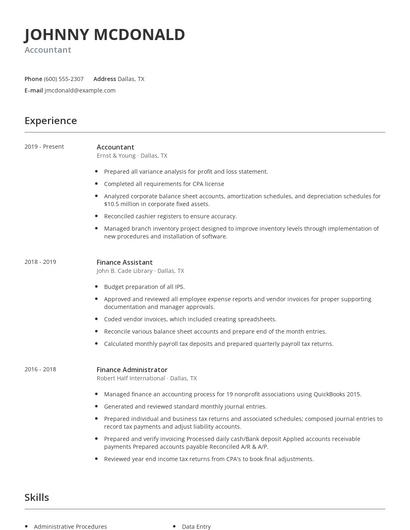
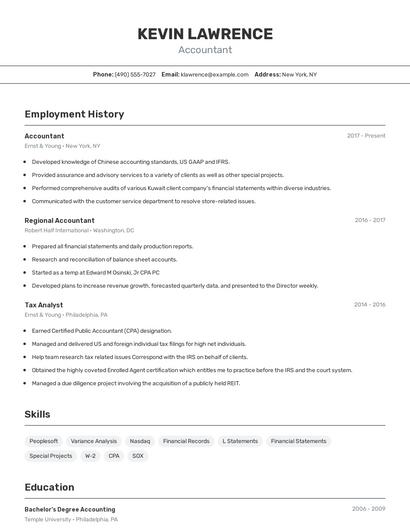
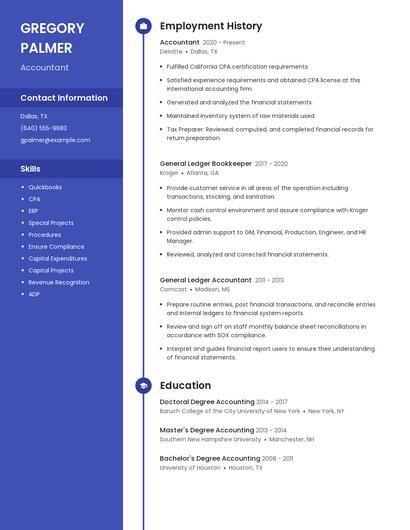
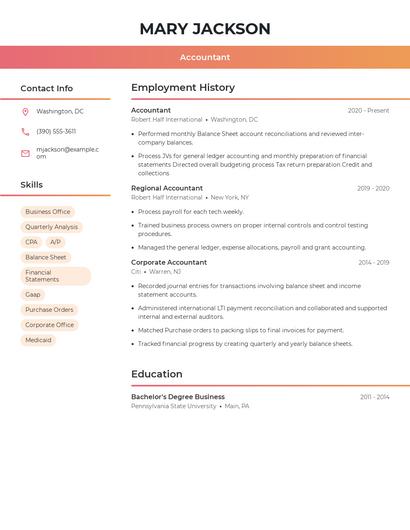
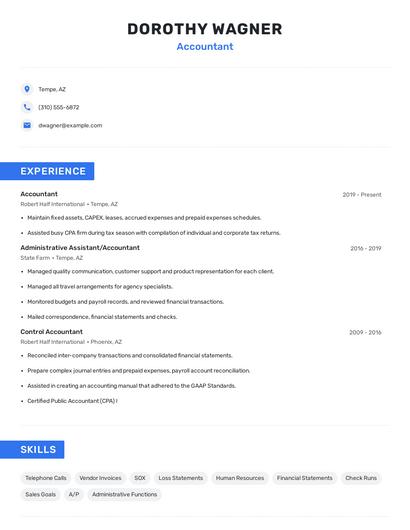
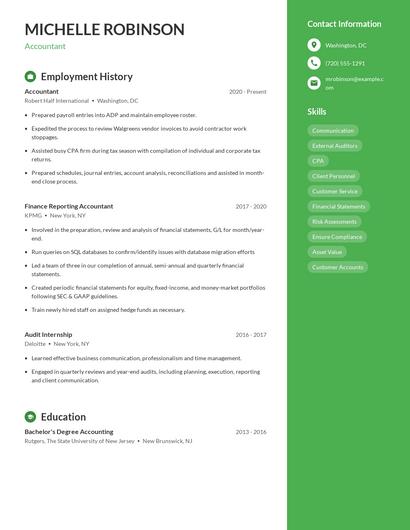
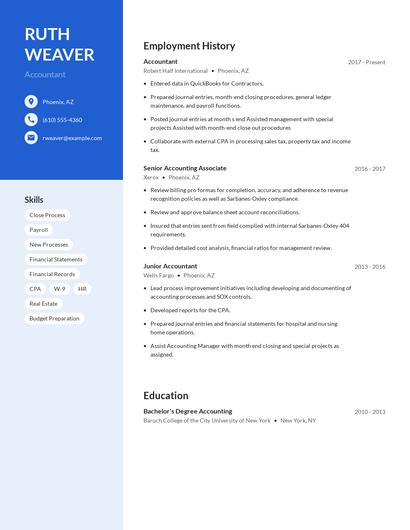
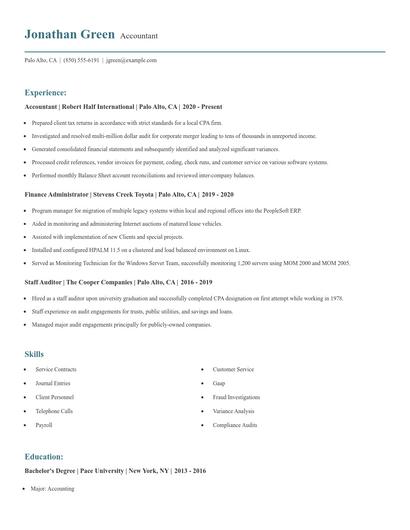
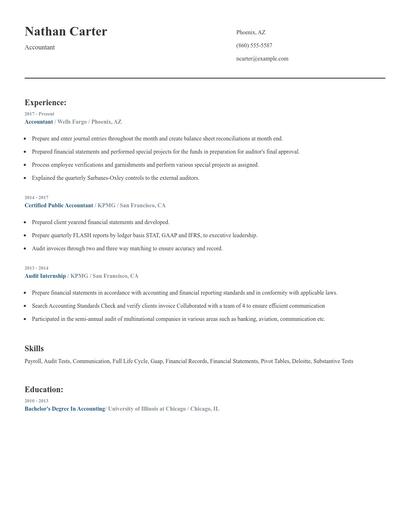
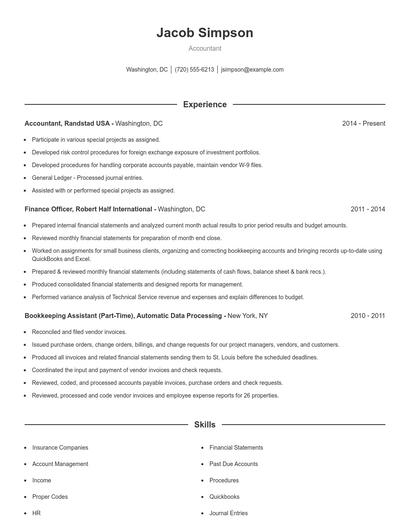
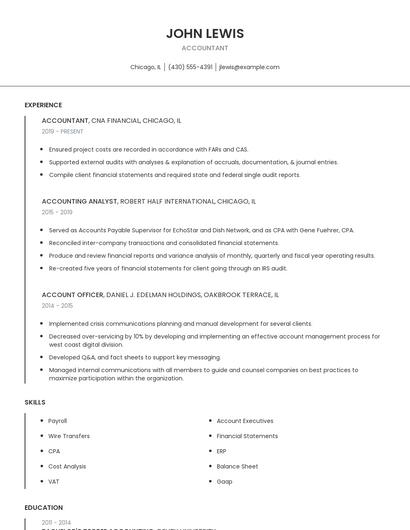
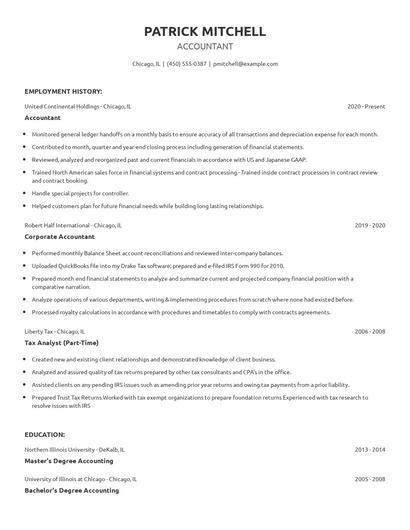
Choose from 10+ customizable resume templates
Zippia allows you to choose from different easy-to-use templates, and provides you with expert advice. Using the templates, you can rest assured that the structure and format of your resume is top notch. Choose a template with the colors, fonts & text sizes that are appropriate for your industry.