Explore jobs
Find specific jobs
Explore careers
Explore professions
Best companies
Explore companies
This question is about tattoo artist.
How to get a job at a tattoo shop
To get a job at a tattoo shop, do your research, develop your artistic skills, obtain relevant certifications, seek an apprenticeship, and network with the tattoo community. The tattoo industry is competitive, and landing a job at a tattoo shop may require persistence and patience. By demonstrating your artistic abilities, professionalism, and passion for tattooing, you can increase your chances of getting a job at a tattoo shop.
To increase your chances of getting a job at a tattoo shop, consider the following steps:
- Research tattoo shops. Start by researching various tattoo shops in your area. Look for their websites, social media profiles, and online reviews to gain insight into their style, reputation, and the artists working there. Understand their specific requirements, work environment, and the type of clientele they attract.
- Develop your artistic skills. If you aspire to be a tattoo artist, focus on honing your artistic skills. Practice drawing, painting, and developing a unique style. Build a portfolio of your artwork that showcases your versatility, creativity, and ability to work with different tattoo styles and designs.
- Obtain relevant certifications and licenses. Check the local regulations and requirements for becoming a tattoo artist in your area. Some jurisdictions may require specific certifications, training, or licenses. Ensure that you meet these requirements to legally practice tattooing.
- Seek an apprenticeship. Landing an apprenticeship at a tattoo shop is a common path to becoming a professional tattoo artist. Reach out to tattoo shops that offer apprenticeship programs and express your interest in learning from experienced artists. Be prepared to demonstrate your passion, dedication, and willingness to learn and assist in the shop.
- Network within the tattoo community. Attend tattoo conventions, art events, or workshops where you can connect with other tattoo artists and shop owners. Networking within the tattoo community can provide valuable opportunities for mentorship, job leads, and exposure to the industry. Establishing relationships with established artists can also lead to potential referrals or recommendations.

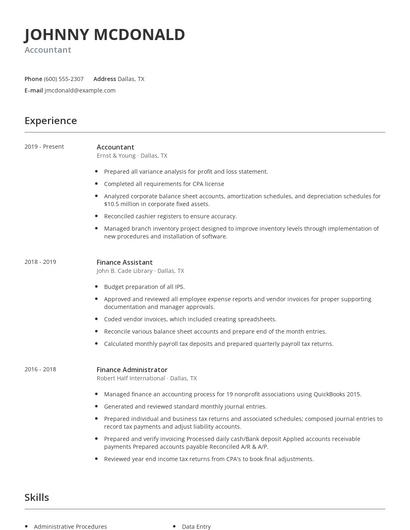
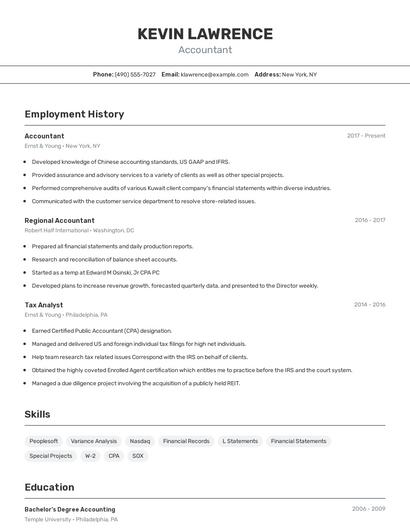
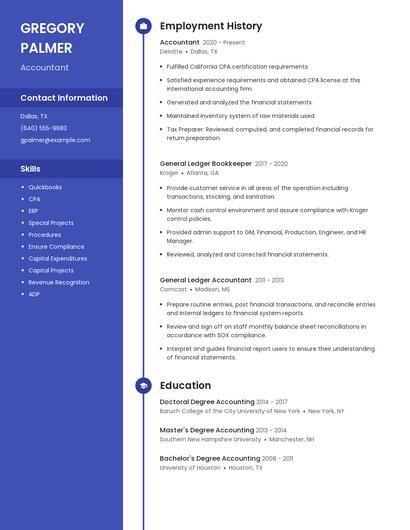
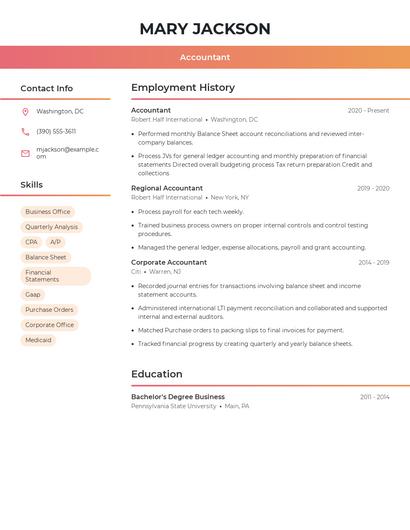
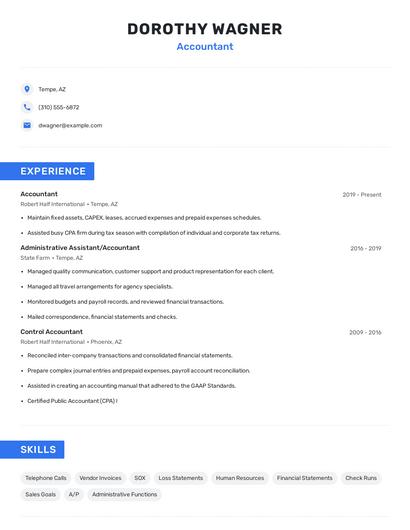
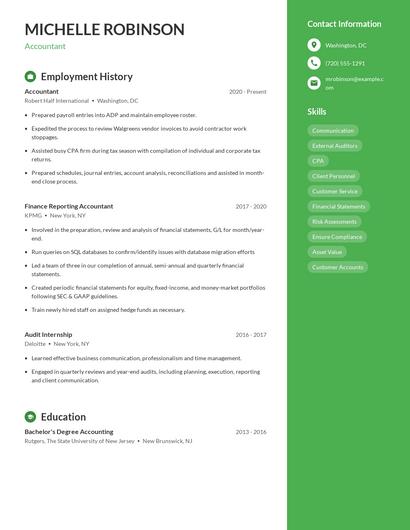
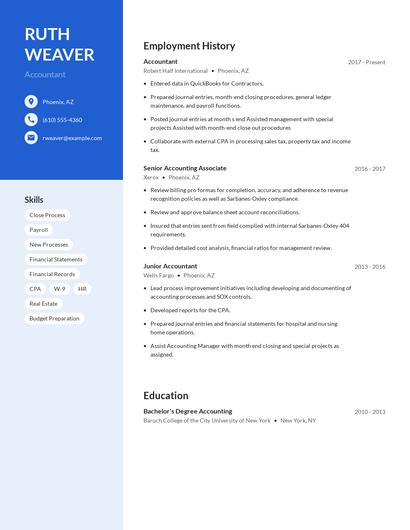
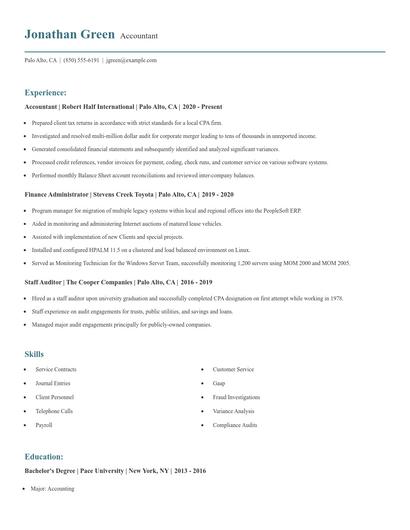
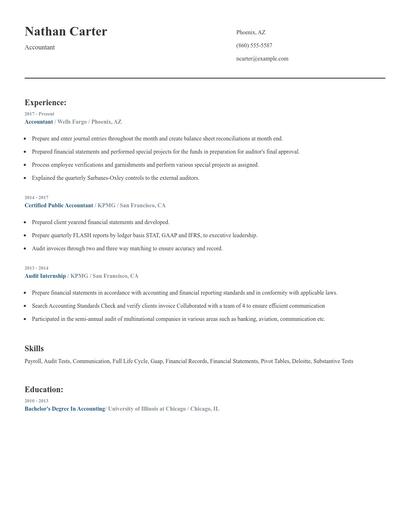
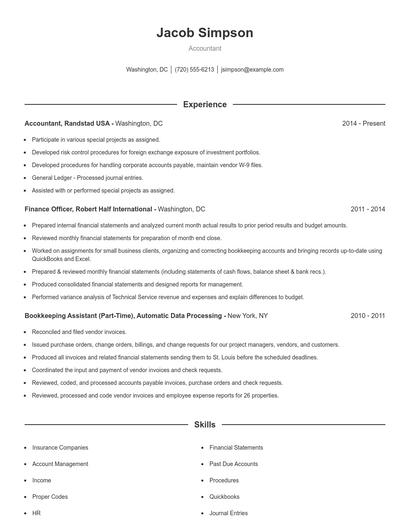
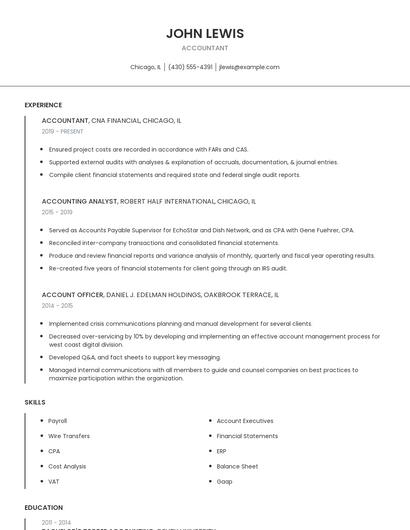
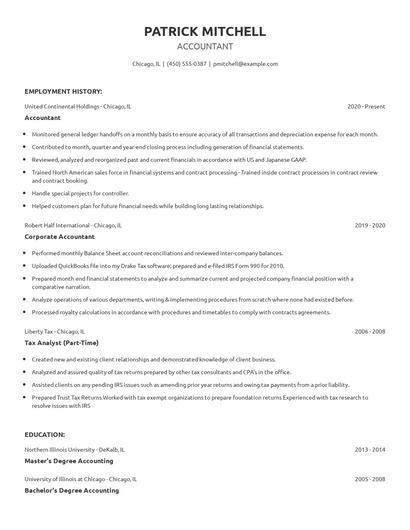
Choose from 10+ customizable resume templates
Zippia allows you to choose from different easy-to-use templates, and provides you with expert advice. Using the templates, you can rest assured that the structure and format of your resume is top notch. Choose a template with the colors, fonts & text sizes that are appropriate for your industry.