Explore jobs
Find specific jobs
Explore careers
Explore professions
Best companies
Explore companies
This question is about rail operator.
How to get a job with the railroad
Getting a job with the railroad requires a variety of qualifications, many of which depend on the specific responsibilities of the job in question. Some jobs, for example, require significant education and training; in others, you may begin with only a high school diploma or GED certificate.
Most people who work on trains, such as conductors and engineers, have an associate's or bachelor's degree and begin their careers as part of a train crew, where they learn the fundamentals of directing traffic and ensuring the safety of passengers and freight.
Most of the skills and training required to work on a railroad happen once you've been hired, as most railroad companies provide 2 to 6 months of paid on-the-job training. This means the hardest part of working on a railroad is getting your foot in the door.
Getting a job with the railroad typically involves several steps, including:
Researching railroad companies. Look for companies with job openings matching your skills and experience. Some major railroad companies in the United States include Union Pacific, BNSF Railway, CSX Transportation, and Norfolk Southern.
Reviewing job requirements. Carefully review the job requirements for the position you are interested in. Make sure you have the necessary qualifications and experience.
Preparing your resume and cover letter. Tailor your resume and cover letter to the job and company you are applying for. Highlight relevant skills and experience, and explain why you are a good fit for the position.
Applying for jobs. After you have compiled this list, the next step is to start filling out applications as aggressively as possible. Leave no stone unturned. Consider this a full-time job; you may need to send out as many as 20 applications a day before someone finally bites.
Networking. Reach out to people in your professional network who may be able to help you find a job with the railroad. Attend job fairs and other events where you can meet recruiters and learn more about job opportunities.
Preparing for interviews. Prepare for interviews by researching the company and the job, practicing your responses to common interview questions, and dressing professionally.
Completing training programs. Depending on the job, you may need to complete training programs before starting to work with the railroad. Be sure to research the requirements and begin the process as early as possible.

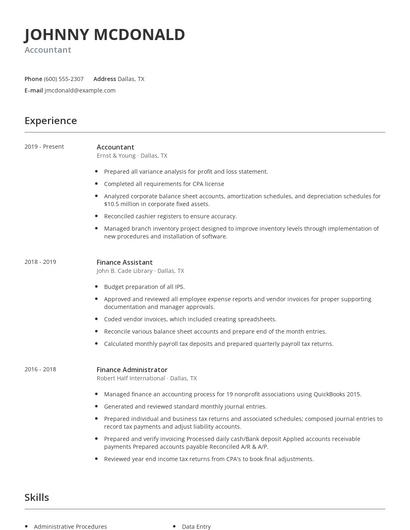
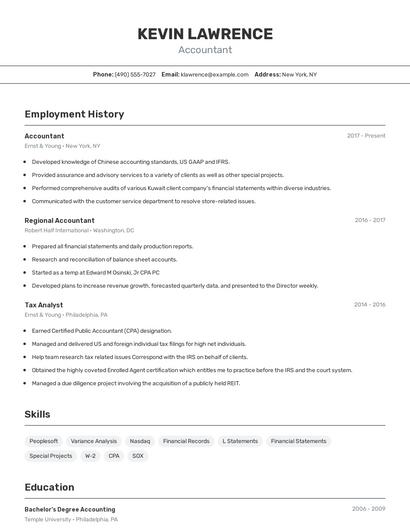
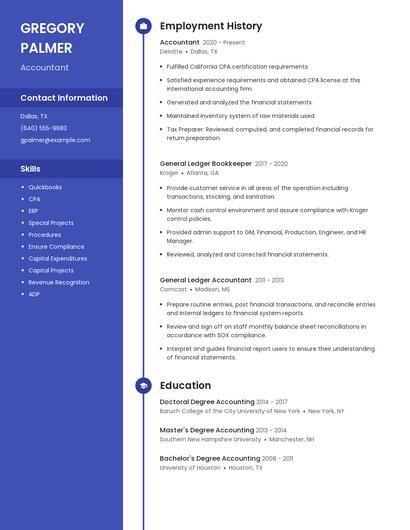
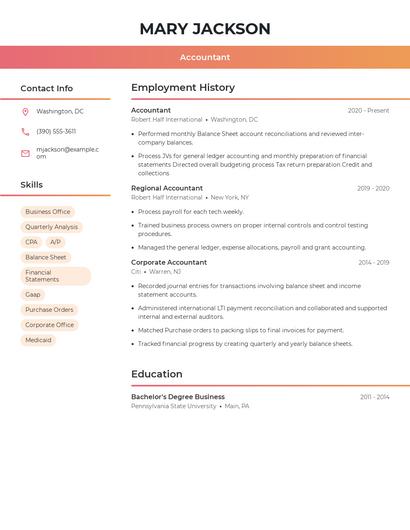
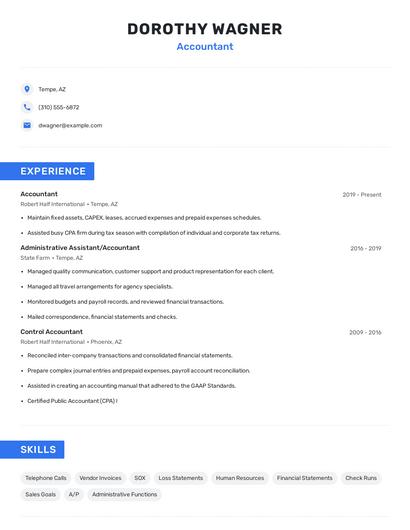
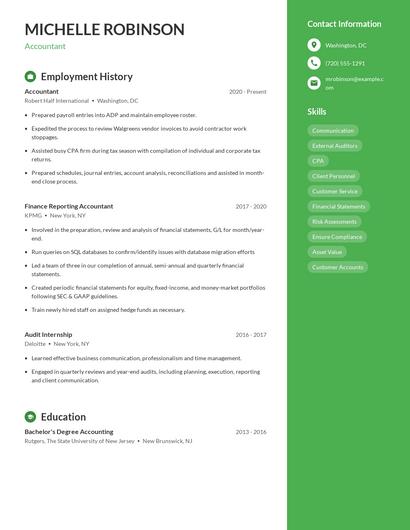
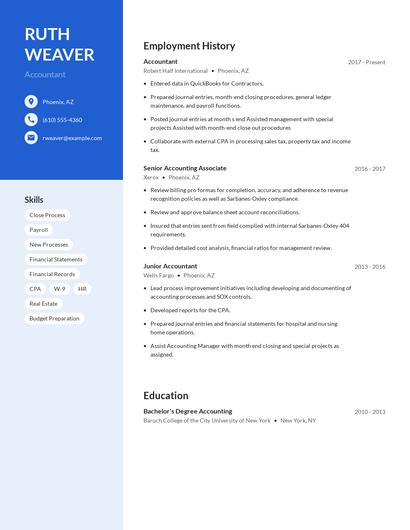
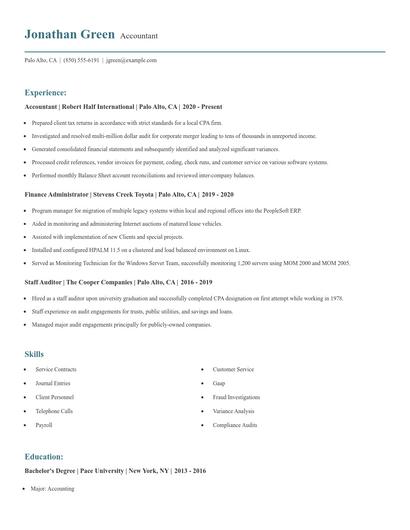
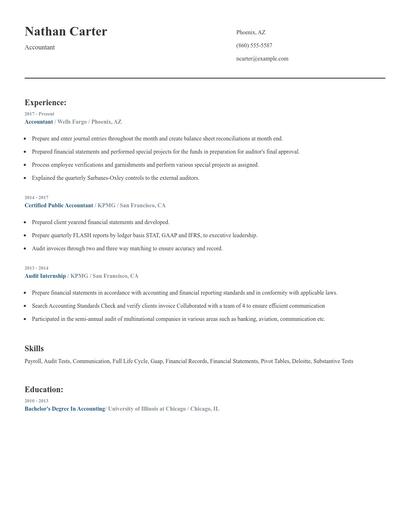
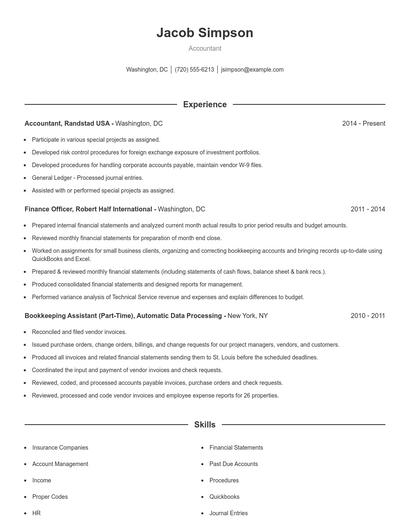
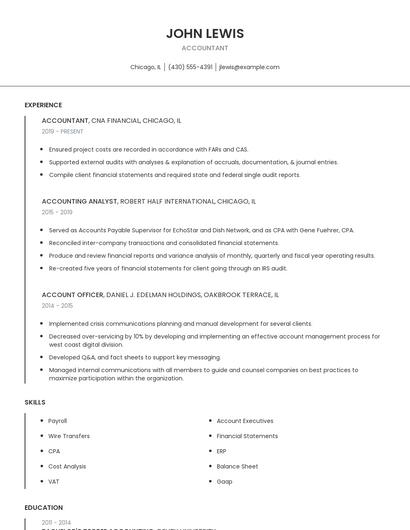
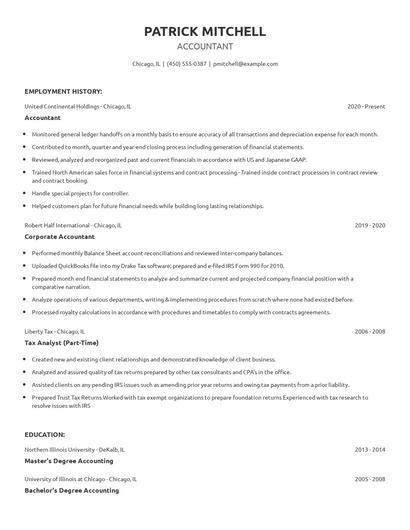
Choose from 10+ customizable resume templates
Zippia allows you to choose from different easy-to-use templates, and provides you with expert advice. Using the templates, you can rest assured that the structure and format of your resume is top notch. Choose a template with the colors, fonts & text sizes that are appropriate for your industry.