Explore jobs
Find specific jobs
Explore careers
Explore professions
Best companies
Explore companies
This question is about jobs.
How to have energy after work
To have energy after work, get a good night's rest, expose yourself to the sun soon after waking up, take a walk or workout in the morning, hold off on caffeine for an hour or so after getting up, take a cold shower, and while at work take frequent breaks to get up and move around, position your computer at eye level or higher, and don't eat anything that is too carb- or sugar-heavy. Having low energy after work is a common problem, but it is something you can work to change with the right mindset and steps.
Importance of a good night's rest.
Getting a good night's rest is crucial for starting your day with high energy levels. Research shows that sleep is necessary for restoring energy, improving mood, and enhancing cognitive function. This means that when you wake up well-rested, you're more likely to be productive and focused throughout the day.
The amount of sleep that a person needs can vary depending on their age, lifestyle, and individual differences. However, as a general guideline, most adults require between 7-9 hours of sleep per night to function optimally. There are numerous devices that you can purchase that can help monitor your sleep and let you know if you are reaching optimal sleep levels.
Expose yourself to the sun soon after waking up.
Exposing yourself to natural light soon after waking up can help regulate your circadian rhythm, which is responsible for regulating sleep and wakefulness. It also helps to boost alertness and mood, which can have a positive impact on your overall energy levels.
When you are exposed to bright light, particularly natural sunlight, in the morning, it helps to suppress the production of melatonin, a hormone that promotes sleepiness, and increase the production of cortisol, a hormone that promotes wakefulness. This hormonal shift helps to reset your internal clock, making you feel more alert and awake during the day.
Take a morning walk or workout.
Engaging in physical activity in the morning can help boost energy levels by increasing blood flow and oxygen to the brain and body. It can also help improve mood and reduce stress levels, which can lead to increased productivity and focus throughout the day.
Overall, exercising in the morning can help kickstart your day by increasing blood flow and oxygen supply, boosting metabolism, reducing stress, promoting better sleep, and improving mood. These benefits can help you feel more energetic, focused, and productive throughout the day.
Hold off on caffeine for an hour or so after getting up.
Delaying coffee intake in the morning for a few hours may seem almost counterintuitive; after all, your goal is to have more energy. Caffeine is a stimulant that works by blocking the action of adenosine, a neurotransmitter that promotes sleepiness and relaxation. When you consume caffeine, it blocks the adenosine receptors in the brain, which can help increase alertness and reduce feelings of fatigue.
However, if you consume caffeine too early in the morning, your body may develop a tolerance to its effects, and the stimulant properties may wear off by the afternoon, leaving you feeling tired and sluggish. This is especially true if you consume caffeine regularly and in large quantities.
By delaying your coffee intake for an hour or so after waking up, you give your body time to naturally increase cortisol levels, which can help promote wakefulness and alertness.
Expose yourself to cold water.
How it works is that the shock of cold water can increase your heart rate and breathing, leading to a surge of adrenaline, which can help increase alertness and wakefulness. Cold water immersion can also help increase blood flow and circulation throughout the body, which can help deliver oxygen and nutrients to the muscles and tissues, leading to improved energy levels and mental focus.
The importance of taking frequent breaks while at work.
Taking frequent breaks throughout the day can help prevent fatigue and burnout. It also provides an opportunity to move around and stretch, which can help improve circulation and reduce muscle tension.
Mental fatigue can be just as draining as physical fatigue. Taking breaks can help reduce mental fatigue and increase mental focus and productivity. Stepping away from your work and engaging in a different activity, such as a quick walk, listening to music, or chatting with a colleague, can help give your brain a break and recharge your mental batteries.
The benefits of positioning your computer at eye level or higher.
Research has shown that the position of the eyes and gaze can affect physiological responses in the body, including fatigue levels. For example, when the eyes are looking downward, the body may be more prone to relaxation and rest, leading to lower levels of arousal and energy. In contrast, when the eyes are looking upward, the body may be more alert and energized.
One study published in the Journal of Occupational Health Psychology found that participants who used a computer with a downward gaze angle experienced higher levels of physical and mental fatigue than those who used a computer with a horizontal gaze angle. The study suggests that the downward gaze angle may lead to increased muscle tension and decreased blood flow, contributing to feelings of fatigue.
The importance of avoiding carb and sugar-heavy foods.
Eating carb- and sugar-heavy foods can cause blood sugar spikes and crashes, which can lead to fatigue and sluggishness. Instead, opt for protein-rich foods and complex carbohydrates, which provide sustained energy throughout the day.
Staying hydrated is crucial for maintaining optimal energy levels and overall health. When your body is dehydrated, it can lead to feelings of fatigue, headaches, and decreased cognitive function. This can impact your ability to perform well at work and affect your mood and productivity.
Drinking enough water throughout the day is essential for staying hydrated. Experts recommend drinking at least 8 glasses of water per day, but individual needs may vary depending on factors such as age, weight, activity level, and climate.
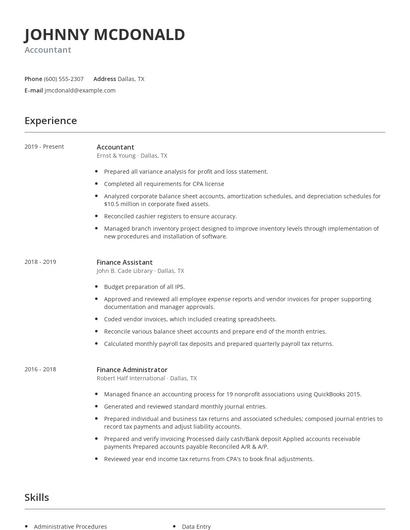
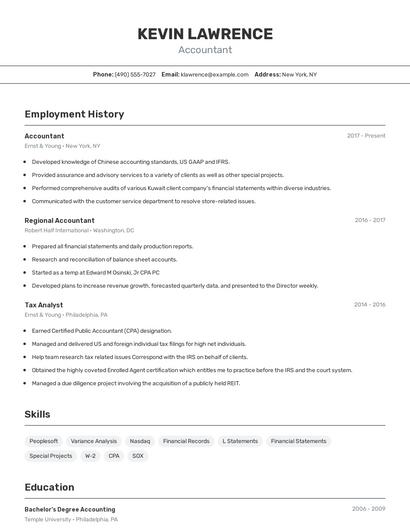
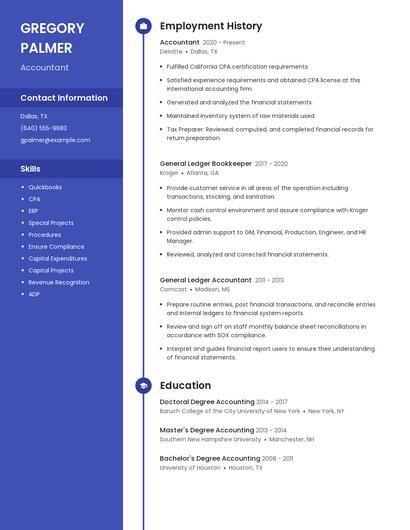
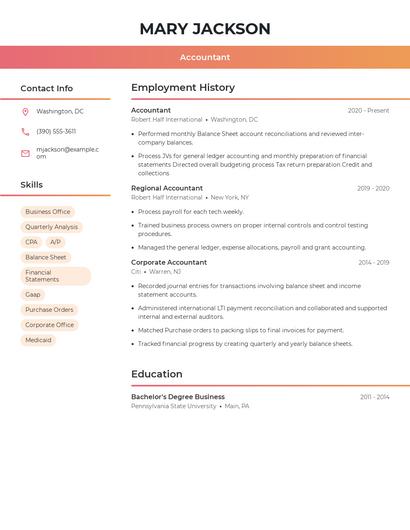
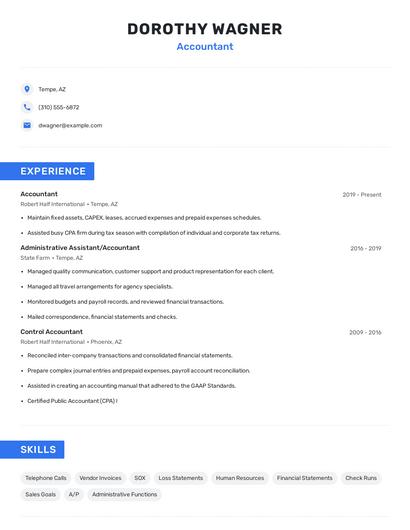
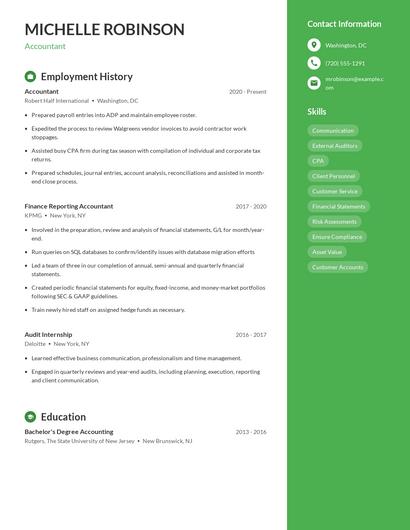
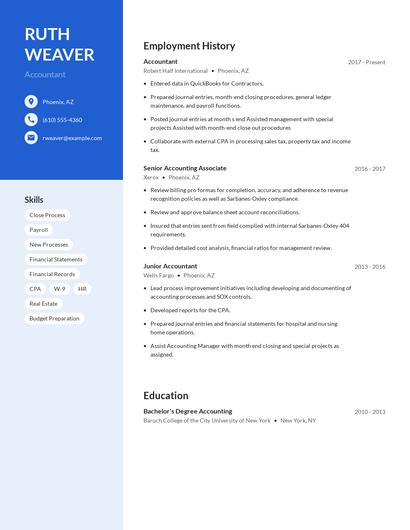
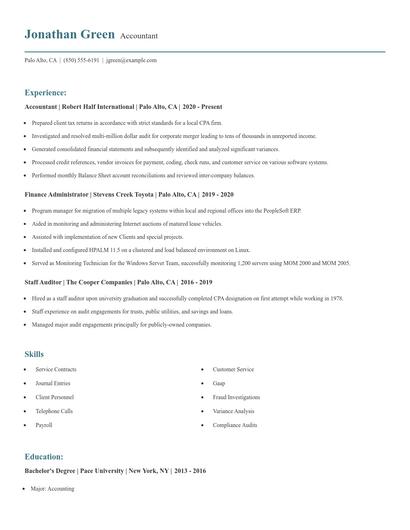
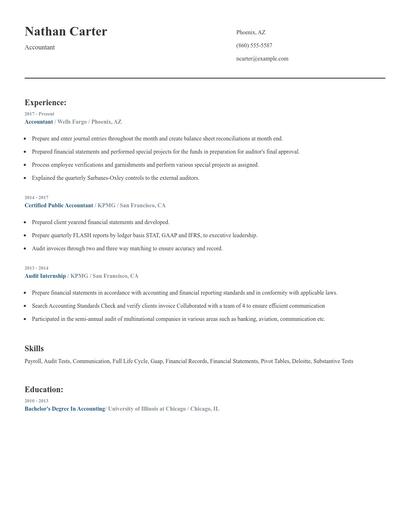
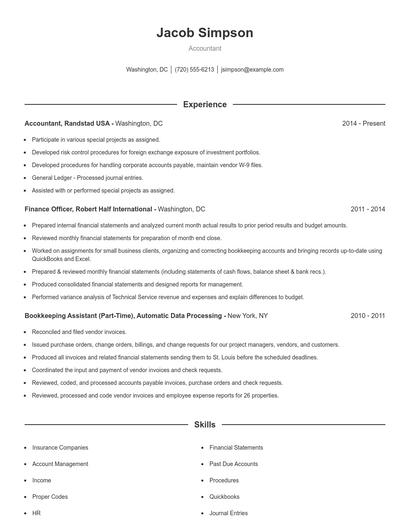
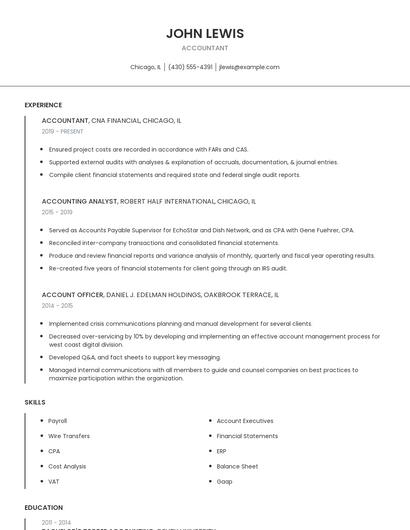
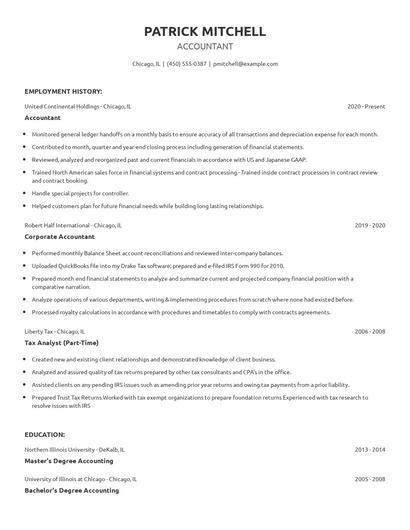
Choose from 10+ customizable resume templates
Zippia allows you to choose from different easy-to-use templates, and provides you with expert advice. Using the templates, you can rest assured that the structure and format of your resume is top notch. Choose a template with the colors, fonts & text sizes that are appropriate for your industry.