Explore jobs
Find specific jobs
Explore careers
Explore professions
Best companies
Explore companies
This question is about careers.
How to negotiate vacation time
To negotiate vacation time, understand your organization's vacation policy, request vacation days ahead of time, and be clear about what days you want off. Here are some details on these steps and others you can take to successfully negotiate vacation time:
Understand your organization's vacation policy
Before you can attempt to negotiate your vacation time you must first understand your company's vacation policy. You can reference your employee handbook or speak with a human resources representative. Companies have different vacation policies, some common ones include:
Limited paid time off (PTO)
Unlimited paid time off
One week paid time off
Two weeks paid time off
Find out which policy your company adheres to. This will help inform your negotiations.
Do research on similar roles/company's vacation policies
A good tactic to start with is to do some research into similar jobs/companies and their common vacation policies. This can help to give you a baseline on how much vacation time you should receive for the kind of position you are in and the type of company you work for.
Understand your value
Make a list of all of the things that make you a valuable employee. This might include things like your education, achievements and awards, specific skills, or any mentionable highlights of your career at this company. If you end up with a long list then you have plenty to cite during your vacation time negotiation.
Write down some notes
Before actually participating in your vacation time negotiation, it is also a good idea to write down some notes regarding your argument for the vacation time amount you have in mind. You can use your list created in the last step to create a more comprehensive argument. Try to cite your most impressive assets and accomplishments at the company.
Remain professional
Even if your vacation time negotiation isn't going the way you want it to, it is absolutely essential that you remain professional and polite during this process. You should seek to be respectful and avoid doing things like making ultimatums or firm demands. You need to try to present your case concisely and in a persuasive tone.
Try to be flexible
You should be open to negotiations and not simply demand a specific amount of time off. It is helpful to keep other employee benefits in mind during this process, such as opportunities for growth, flexible working hours, insurance plans, or the possibility of pay raises or promotions.
Employers like motivated and positive employees. This can help persuade them to see your point of view.
Have a plan and explain the benefits
You should also have a plan ready to go for how your role can be covered while you take this time off. Showing that you have prepared for this can make it more likely for your employer to grant your request. You might also touch on the benefits of vacation time, such as enhanced productivity, reduction in stress, and positive health and well-being.

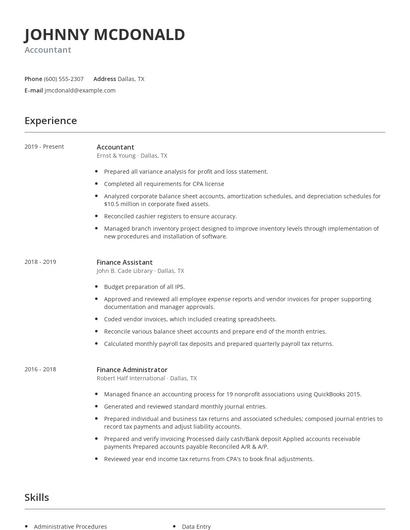
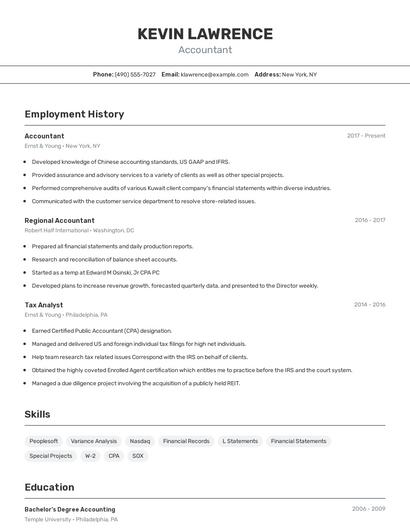
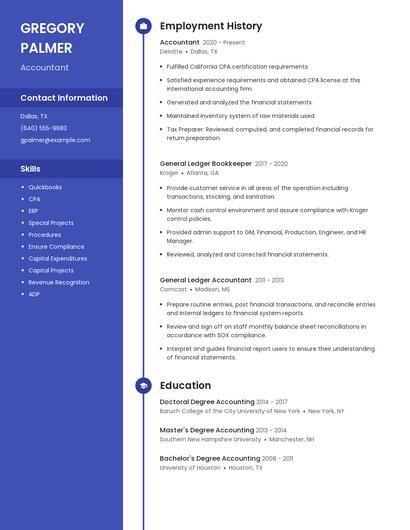
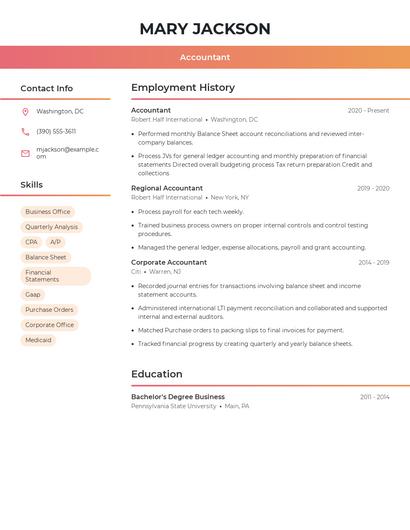
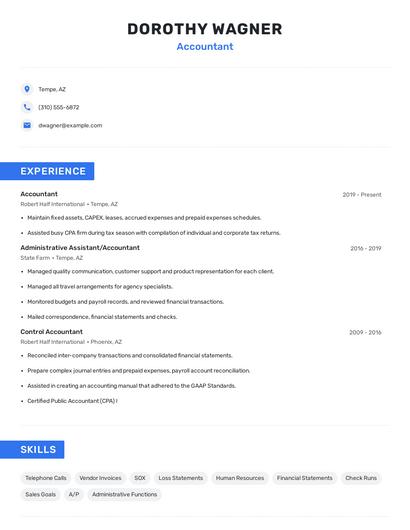
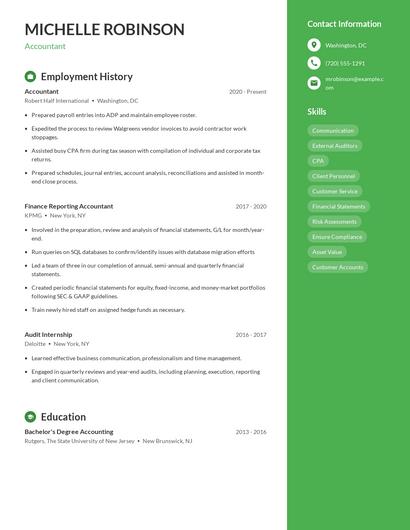
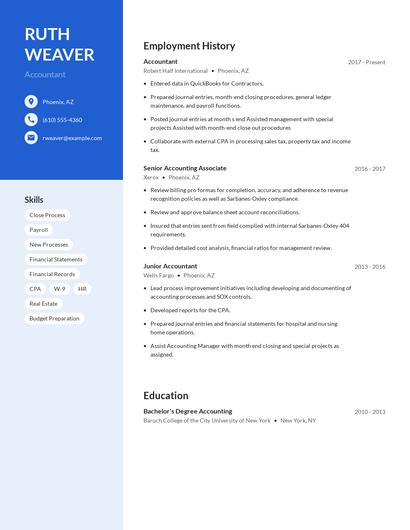
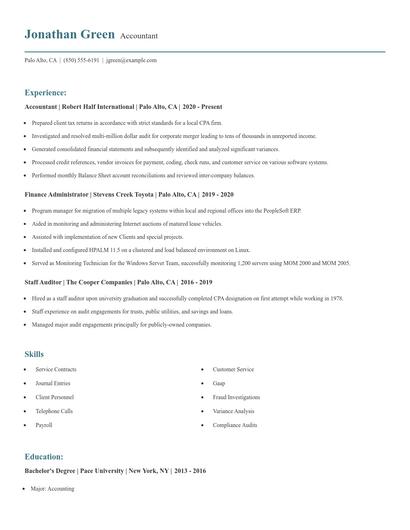
Choose from 10+ customizable resume templates
Zippia allows you to choose from different easy-to-use templates, and provides you with expert advice. Using the templates, you can rest assured that the structure and format of your resume is top notch. Choose a template with the colors, fonts & text sizes that are appropriate for your industry.