Explore jobs
Find specific jobs
Explore careers
Explore professions
Best companies
Explore companies
This question is about employer.
How to plan for a meeting
To plan for a meeting, you must determine the meeting's purpose and objectives, craft an agenda, and invite the appropriate personnel. Here are some details on these steps and others you can take to successfully plan for a meeting:
Determine the meeting's purpose and objectives. This first step is critically important. You must understand the meeting's purpose and objectives to plan properly.
This helps you understand who should attend the meeting and the specific topics that should be covered during the meeting. The purpose and objectives of your meeting will assist in directing you to the next steps.
Craft an agenda for the meeting. Once you know the meeting's purpose and objectives, you can craft an agenda. This document should outline the topics covered, discussed, or voted on and the approximate amount of time dedicated to each.
You should always share the meeting's agenda with the personnel in attendance.
Select a time and date. Now you must choose a time and date that works for all the attendees. You can list a few dates and times in your email or correspondence, but don't go overboard, as this can cause confusion and indecision.
You can also specifically ask the recipient or recipients to respond by confirming if any dates and times you have listed work for them.
Invite the appropriate personnel. Now you can send out invites via email or other messaging to invite the employees in attendance. Ensure you include all relevant stakeholders and anyone required to contribute, cast votes, or help determine key decisions.
Select a meeting format. Next, you choose a meeting format that makes sense for the meeting's agenda and any other needs of your employees or company.
You can elect to go the traditional route with an in-person meeting or do the meeting virtually through a video conference. You can also choose a hybrid version if certain employees can't attend in person.
Prepare materials for the meeting. You might prepare materials like presentations, reports, or handouts depending on your meeting's purpose, objectives, and agenda. You should also send these materials to the attendees ahead of the time of the meeting.
Determine roles, if necessary. This also depends on the specificity of your meeting, but you may want to assign specific roles for your personnel. These include roles like note-taker, timekeeper, and facilitator.
If you elect to assign roles, ensure all personnel knows and understand their role before the meeting begins.
Test any tech that is going to be used. Testing any applicable technology you will use in the meeting beforehand is also a good idea.
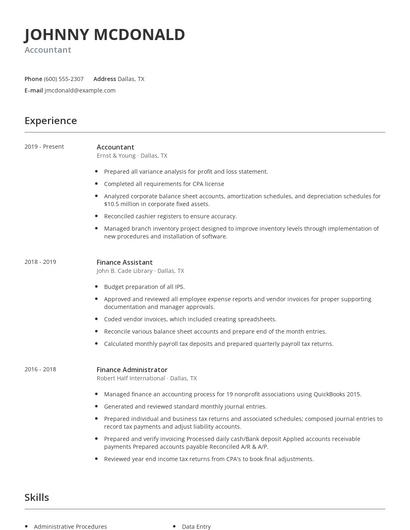
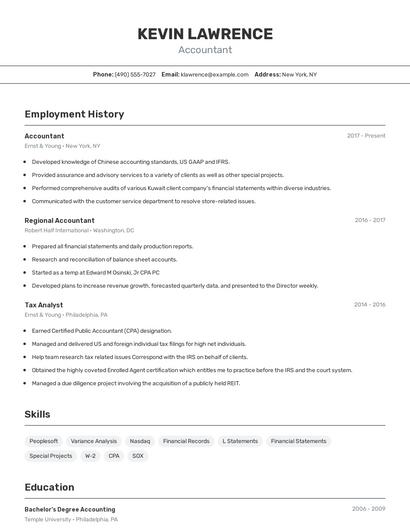
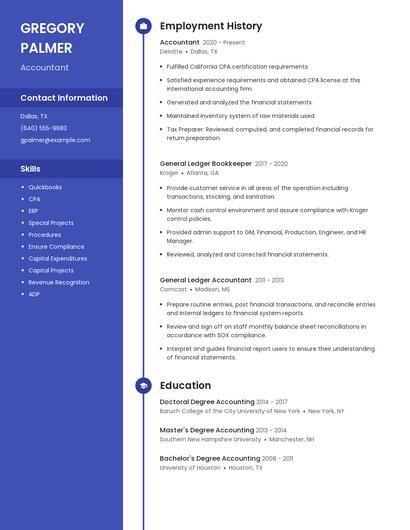
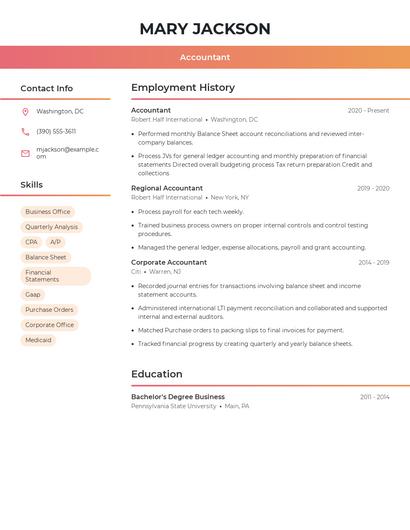
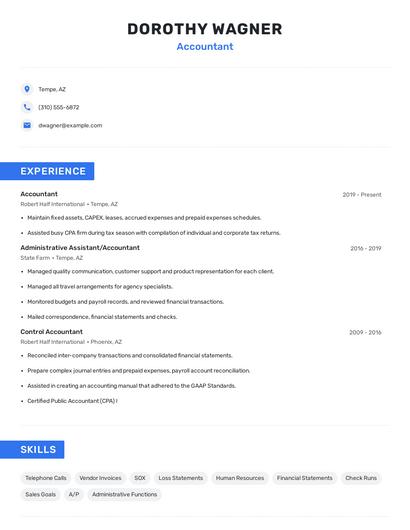
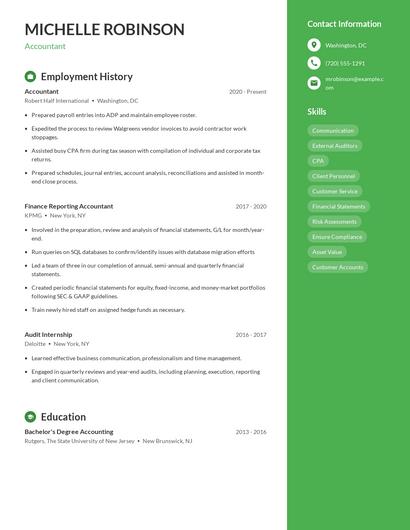
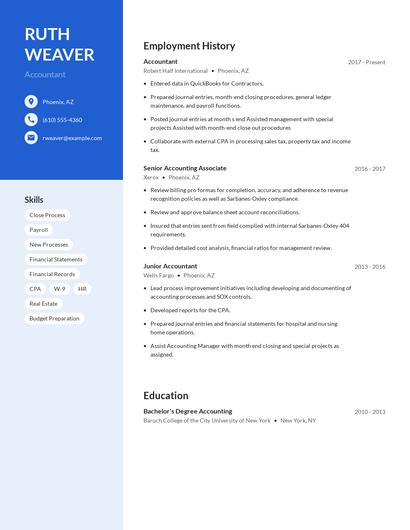
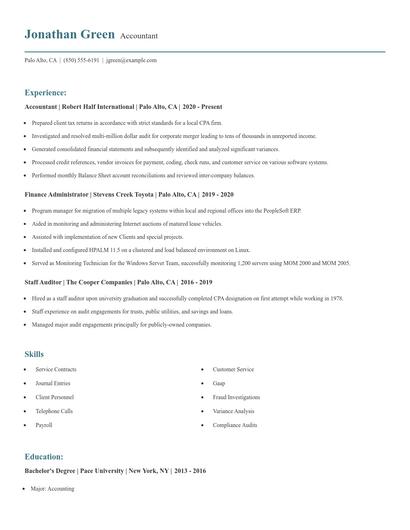
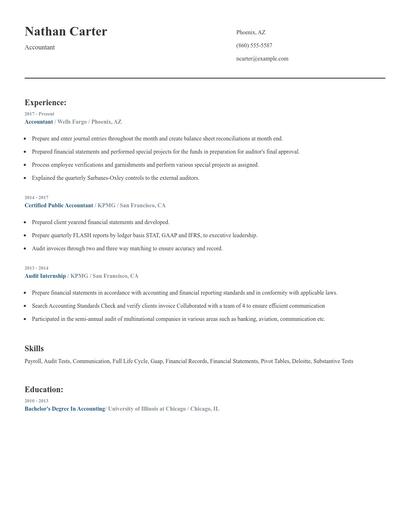
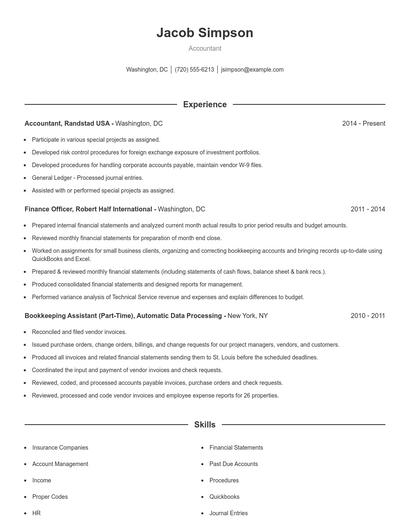
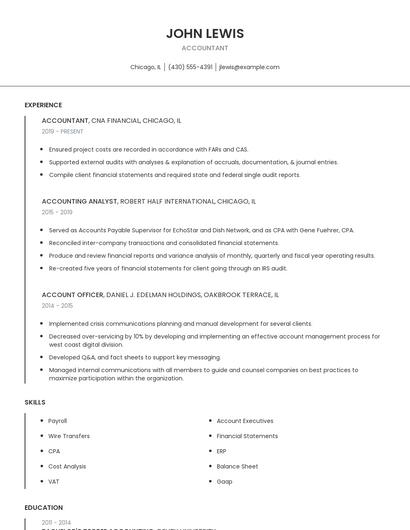
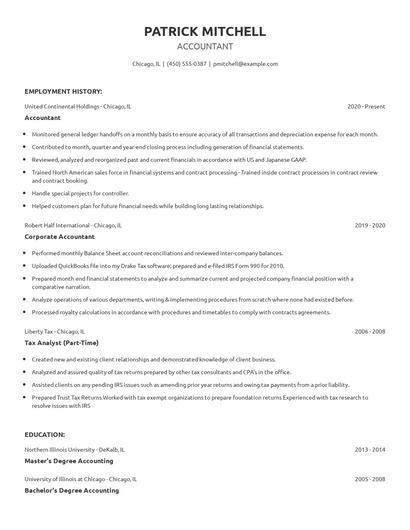
Choose from 10+ customizable resume templates
Zippia allows you to choose from different easy-to-use templates, and provides you with expert advice. Using the templates, you can rest assured that the structure and format of your resume is top notch. Choose a template with the colors, fonts & text sizes that are appropriate for your industry.