Explore jobs
Find specific jobs
Explore careers
Explore professions
Best companies
Explore companies
This question is about chauffeur.
How to start a limo business
To start a limo business, you must determine if you have the proper funding, select the right location, and take care of insurance and legal requirements. For details of each of these steps and others, you can take to start a limo business, use this guide:
Determine if you have the funding. This is a crucial first step in starting your limo business. Limo businesses are very expensive to start. The main and largest cost is purchasing a fleet of limos. Here is a look at some of the key costs of starting a limo business:
A single limo can cost anywhere from $50,000 to $100,000.
Insurance for limousines can cost anywhere between $600 and $1200 per vehicle, depending on your location.
Marketing for this business averages in the range of $1,000 to $10,000.
Storage of vehicles depends on whether you have a business location and can store them at your home or individually. Storage individually is at least $100 for each vehicle per month.
Some other expensive costs include registering your limo business, legal insurance, permits, and licensing fees. You also have to consider the huge cost of acquiring or leasing a facility for your business operations and a large staff of employees whose wages you must pay.
Utility bills for your fleet maintenance are also very big costs.
Select the right location. To properly do this step, you should perform market research on limo businesses in your area to get a sense of the competition and the demand.
Does your community have a fair amount of wealthy citizens that would use your service? Does the market allow for a new competitor? All of these questions are very important to understand your chances of success.
Insurance and legal requirements. You must look into all of the necessary insurance and legal requirements you must comply with to operate your limo business.
As a first step in this area, you should seek to incorporate your business. Incorporating your limo businesses means you, as the owner, can not be personally sued for your assets.
Get CDL drivers. Many states require any commercial driver transporting ten or more people to have a CDL license. CDL licenses fall into three different categories:
Class A
Class B
Class C
Class B is likely to be the one you should look most closely at getting for yourself and your drivers if you plan on using limos or shuttles for your limo business. A Class C license might also apply. This one allows you to drive smaller vehicles, like passenger vans and certain delivery trucks.
MVR. You will also have to secure a motor vehicle record (MVR). This step is fairly simple in most states, but you should still do the proper planning in the event of delays.
Hire employees. You will need a fair amount of professional CDL-holding drivers and administrative staff to run your business effectively.

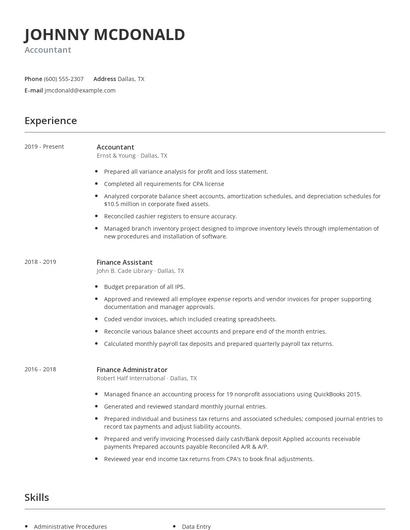
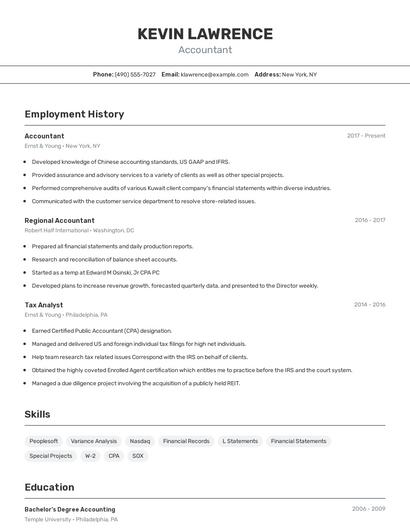
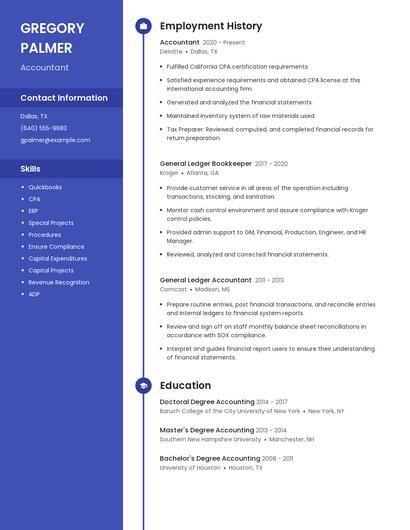
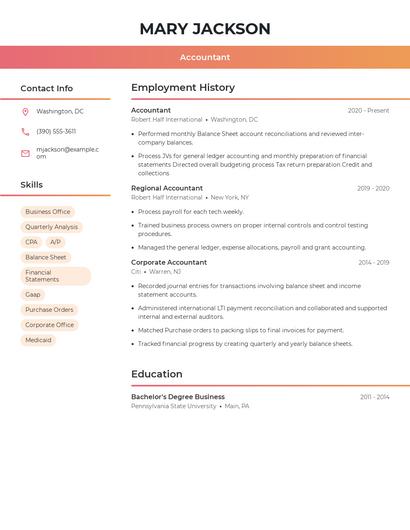
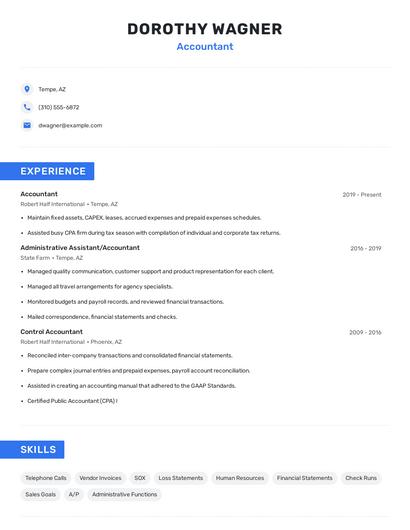
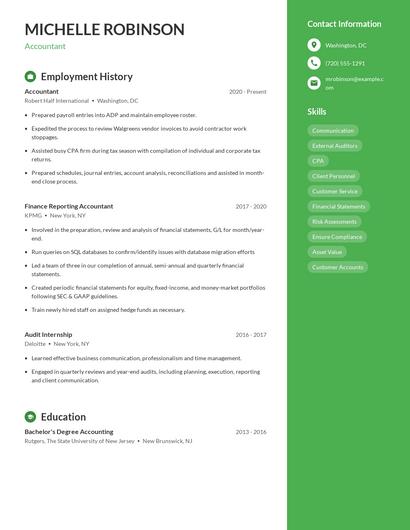
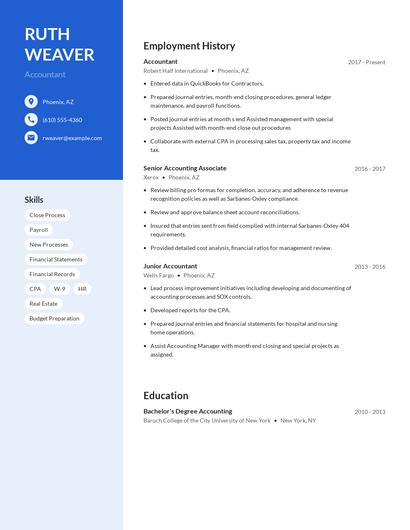
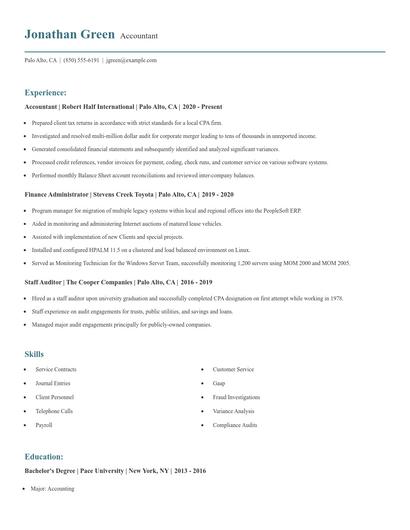
Choose from 10+ customizable resume templates
Zippia allows you to choose from different easy-to-use templates, and provides you with expert advice. Using the templates, you can rest assured that the structure and format of your resume is top notch. Choose a template with the colors, fonts & text sizes that are appropriate for your industry.