Explore jobs
Find specific jobs
Explore careers
Explore professions
Best companies
Explore companies
This question is about careers.
How to use sick hours at work
To use sick hours at work, you should review your company's policies, check the company calendar, and send a formal request. Here are some details on each of these steps:
Review your company's policies on leave. Before requesting any time off, you should review your company's policies, specifically on paid time off (PTO) and unpaid time off.
You should also review how much time you have taken off during the current year to ensure you won't exceed your limit. This also depends on what your day off applies to. Some common types of time off include the following:
Sick leave
Personal time
Jury duty
Vacation
Important medical appointments (disability, illness, surgery, etc.)
Maternity or paternity leave
Find out if the reason you are requesting a day off is covered under your company's policies regarding PTO and unpaid time off.
Communicate with your manager or supervisor. First, you should check in with your manager or supervisor to let them know you need to take sick hours. You can do this by reaching out via email or calling them directly.
You should do this as soon as you know you will need to take a sick day or sick days, as it gives them time to create solutions in your absence.
Check the company calendar. You should ensure that your sick leave will not interfere with any important work functions or is coming when a project is due, or another important deadline is approaching.
If it is, you should notify all the appropriate departments or team members that you will be out sick so that they can make any necessary adjustments.
Send a formal request to ask for a day off. Even if you get cleared by your manager or supervisor, many companies also ask you to write your sick leave request.
Some employers have online employee portals where you can make this request, while others might have you send an email for documentation purposes. You can also specify if you are unavailable or are reachable via messaging.
Make sure you are specific. Whatever your company's policies, you need to be specific when requesting a day off. You should include your reasoning and the exact date and day of the week you want to take off from work.
You can also include your expected return date to work so there is no confusion. Here are things you should not include in your communications with work:
Personal details about your illness or medical condition
The private information you have discussed with your doctor or specialist
How you think you contracted the illness
Any information that is not pertinent to your sick leave request
Remember, you are entitled to privacy concerning your medical issues, so don't feel you have to get into too much detail when informing your employer that you are sick and need time off.

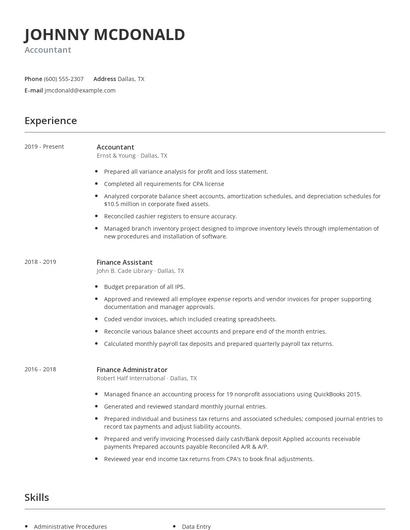
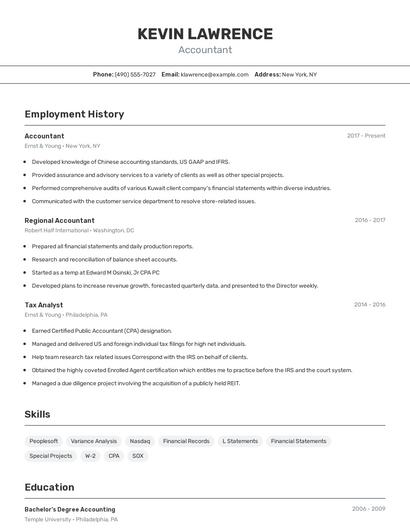
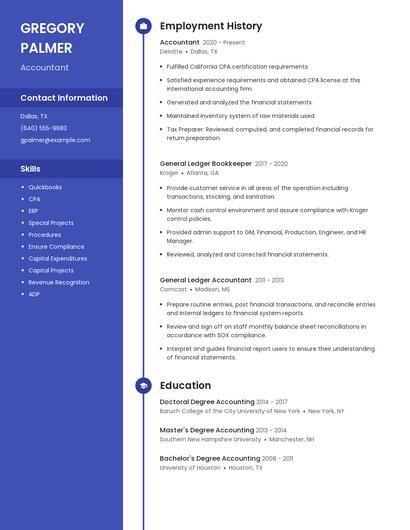
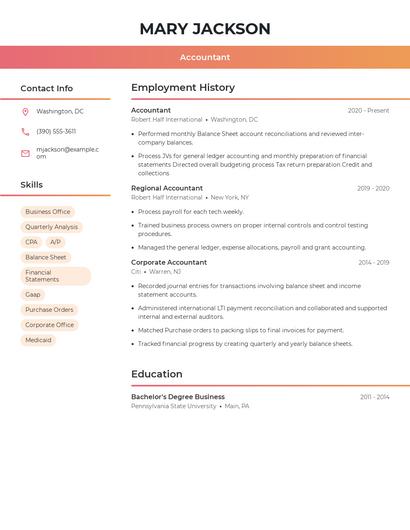
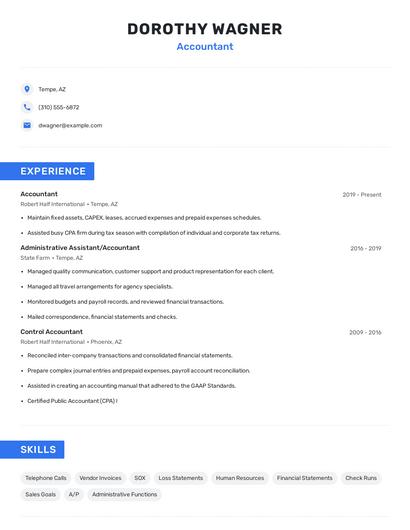
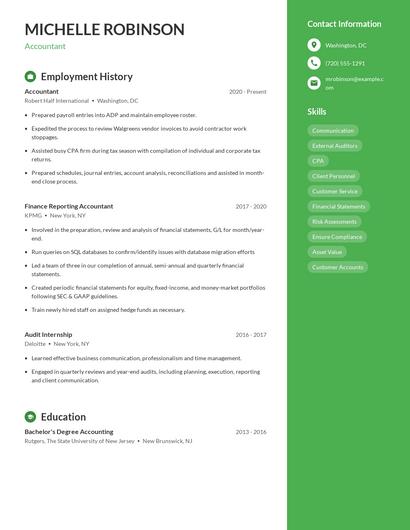
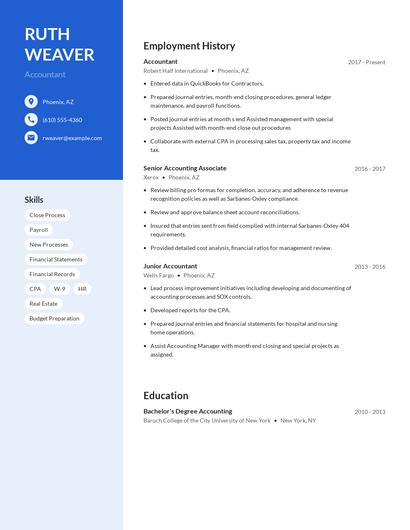
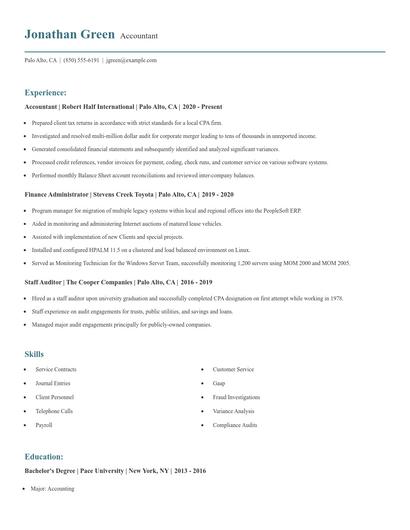
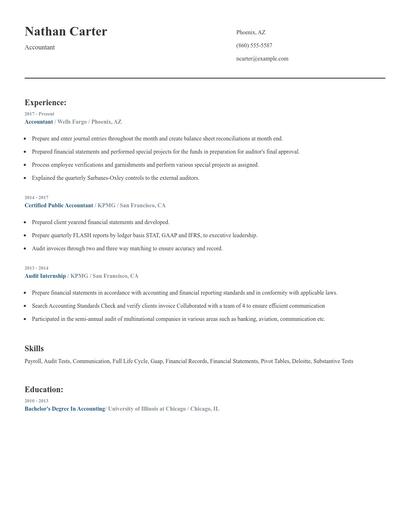
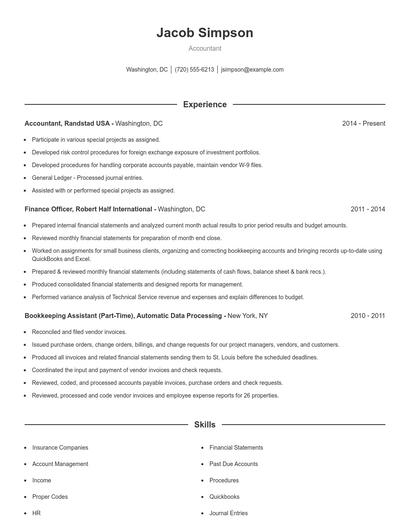
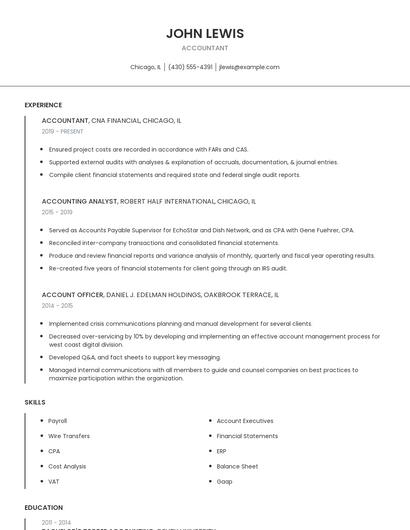
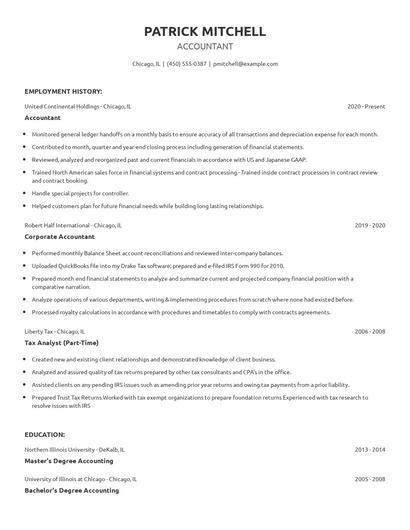
Choose from 10+ customizable resume templates
Zippia allows you to choose from different easy-to-use templates, and provides you with expert advice. Using the templates, you can rest assured that the structure and format of your resume is top notch. Choose a template with the colors, fonts & text sizes that are appropriate for your industry.