Explore jobs
Find specific jobs
Explore careers
Explore professions
Best companies
Explore companies
This question is about marine biologist.
What are the pros and cons of being a marine biologist?
The pros and cons of being a marine biologist relate to diverse working environments, opportunities for positive environmental impact, and education requirements.
Here are the top pros and cons of being a marine biologist:
Pros:
Diverse working environments
Many marine biologists get to travel to diverse and beautiful locations all over the world. When doing research in the field many have to dive beneath the surface of the water, making their work days quite interesting and varied. In addition, some marine biologists can work in labs at universities or in the private sector for companies or corporations.
Opportunities for positive environmental impact
Marine biologists have the chance to contribute to various environmental causes while working. Many can make significant differences in the areas of preservation and conservation of the environment and animal life. Marine biologists get to often document firsthand what challenges marine areas to face and also try to come up with innovative solutions.
Different career paths
The career path of a marine biologist is not straightforward and it can lead to many different areas of work depending on a marine biologist's specializations and preferences. Some of the most common career paths in marine biology include academic research, environmental consulting, conservation advocacy, and government employment.
Marine biology is an exciting field
Marine biologists get to travel often and conduct fieldwork in exotic and appealing locations. They also have the opportunity to use cutting-edge technology for research, discover new marine species, and contribute to mankind's understanding of water systems. Oceans are considered the last undiscovered frontier of the world with 80% still unexplored.
Cons:
Educational requirements
It is relatively hard to become a marine biologist. This also depends on the specific marine biology position you want to obtain. The bare minimum educational requirement for a job in marine biology is a bachelor's degree in the field. However, many jobs require a master's or even a Ph.D. in marine biology to be considered.
These degrees mean a longer education commitment and more scientific information to be learned and retained, as well as more difficult exams.
Professional certifications and additional training
Many marine biologists must also obtain professional certifications in their field. Dive certification is often required for many positions. This means most marine biologists need training in scuba diving, and diving safety protocols.
Challenging field and long hours
Marine biology is a fascinating field but also a challenging one, for one a marine biologist's role can often be physically demanding, and can also become further complicated due to factors out of their control, like extreme weather conditions. Many marine biologists, in both the lab and field environments, work over the traditional 40-hour work week.
Emotional impact
Marine biologists can have negative emotional consequences. Two examples include many having to spend a considerable amount of time away from home and their families, and some experiencing stress, anxiety, or depression from confronting the negative impact that humans have on marine environments and the animals living within them.

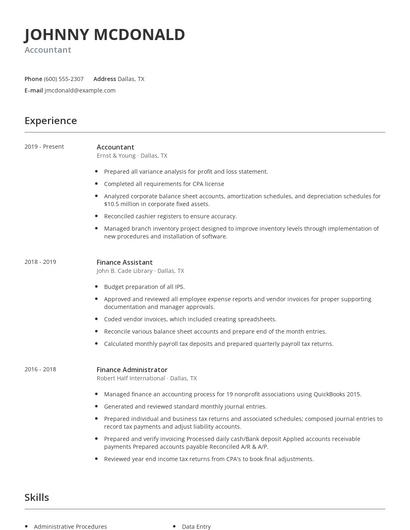
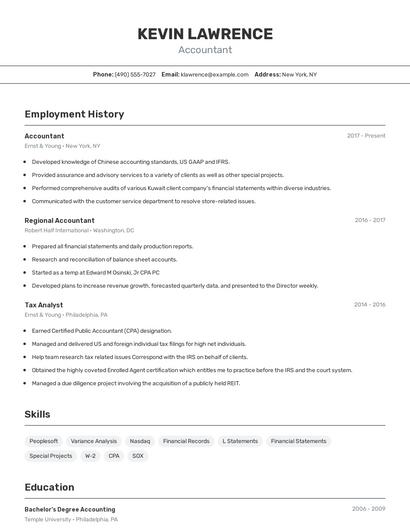
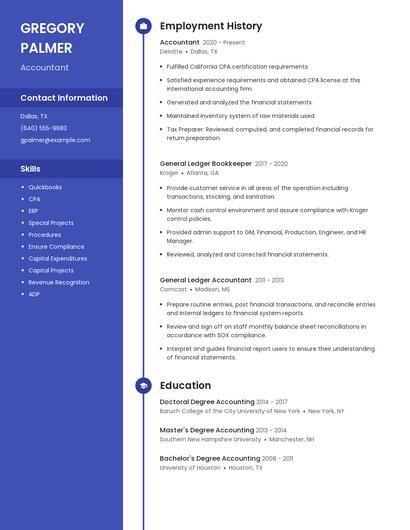
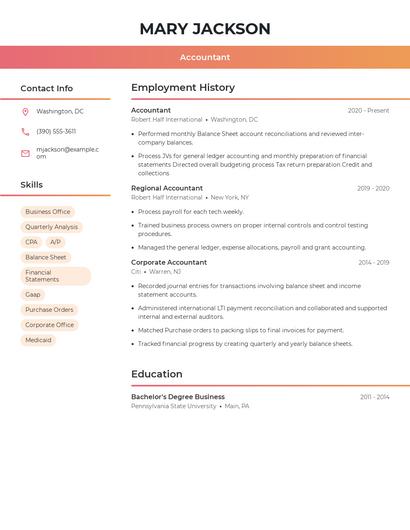
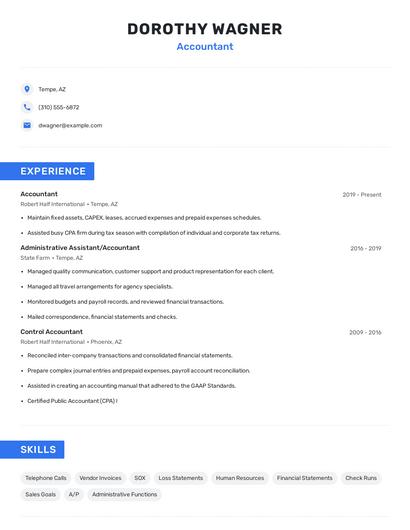
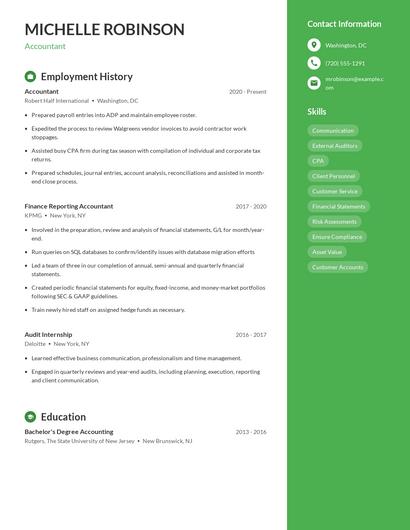
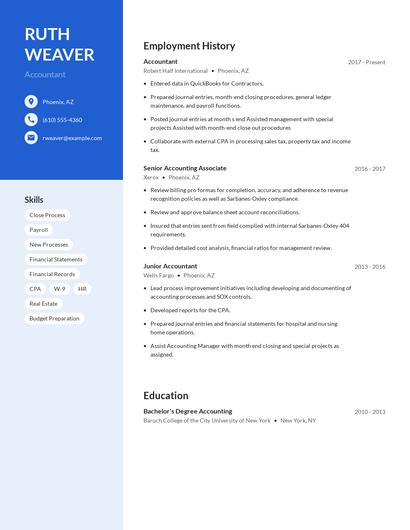
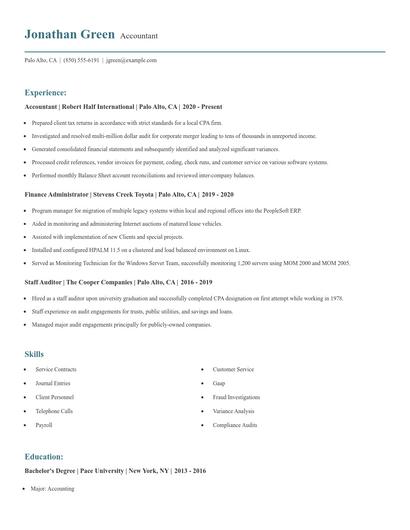
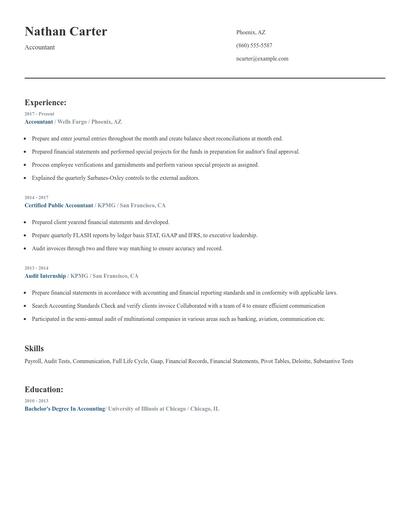
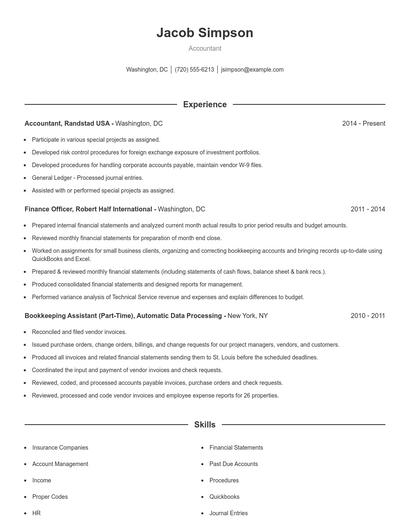
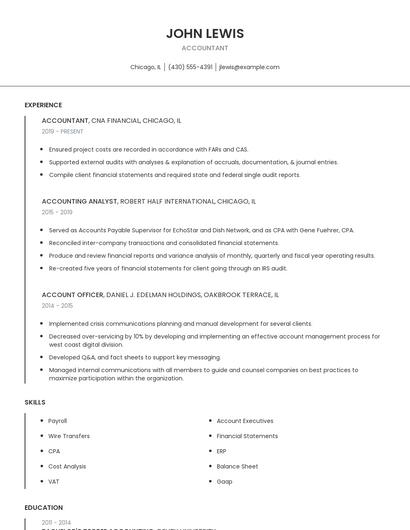
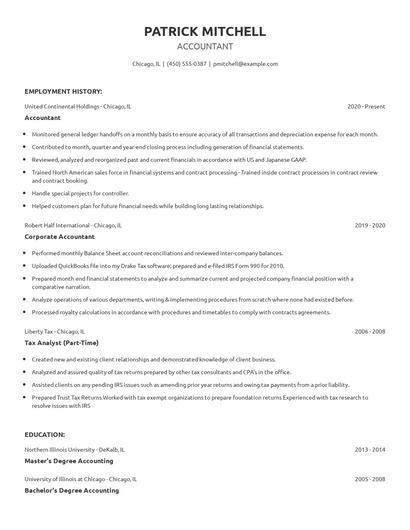
Choose from 10+ customizable resume templates
Zippia allows you to choose from different easy-to-use templates, and provides you with expert advice. Using the templates, you can rest assured that the structure and format of your resume is top notch. Choose a template with the colors, fonts & text sizes that are appropriate for your industry.