Explore jobs
Find specific jobs
Explore careers
Explore professions
Best companies
Explore companies
This question is about actuary.
What are the pros and cons of being an actuary?
The pros and cons of being an actuary relate to a variety of work tasks and responsibilities, career advancement opportunities, and education requirements. Here are the top pros and cons of being an actuary:
Pros:
Variety of work tasks and responsibilities
The career path of an actuary can be exciting and interesting because of the many different facets of the work. Actuaries wear several different hats, including business professionals, financial analysts, and math experts. The tasks of the job can vary daily.
Career advancement opportunities
Once an actuary gets enough experience, they often have the ability to advance their career. Some common higher-level roles in this field include actuarial specialist and actuarial services director. Those that have relevant advanced degrees can also pursue a career in academics as an educator. There are also some that choose to go into consulting.
You can specialize
Actuaries also have the opportunity to specialize in their field. This can be achieved both during the education process and during the professional career life of an actuary. Actuaries have the ability to specialize in several different areas, including:
Life insurance
Retirement funds
Predictive analysis
Pensions
Product development
Marketing
Corporate
These are just some of the specialization opportunities available to actuaries, there are several other key areas of focus as well.
Job growth and demand
The United States Bureau of Labor and Statistics predicts the growth rate for this field to be at 24% within the next 10 years. This is higher than the expected growth rate for all other occupations combined. It is also a considerably faster growth rate than most professions, meaning finding work as an actuary will not be challenging for most in the field.
High compensation
The average annual salary of an actuary in the United States is $114,502. While the particular salary you can obtain as an actuary depends upon education, experience, skills, and specializations, many in the field can achieve high salaries.
Cons:
Because the job of an actuary can be quite versatile, professionals in this field often must obtain in-depth education, particularly ones that focus on business principles and mathematics. Many hold advanced degrees, such as a master's or doctorate. This education track can be long, hard, and expensive.
Passing required tests
Most actuaries have to pass several exams before they can become fully qualified and certified in the field. This also depends on the specific state you are seeking to become an actuary.
A large amount of responsibility
Actuaries have the sometimes stressful responsibility of predicting certain financial events and also managing risks in different scenarios. They play a major part in the investment decisions of a client and the financial decisions of the company they work for.
Lonely profession
Most actuaries have less interaction with people than those in many other types of careers. Most of their work is done on an individual basis, and they seldom work in teams or with large groups of people.

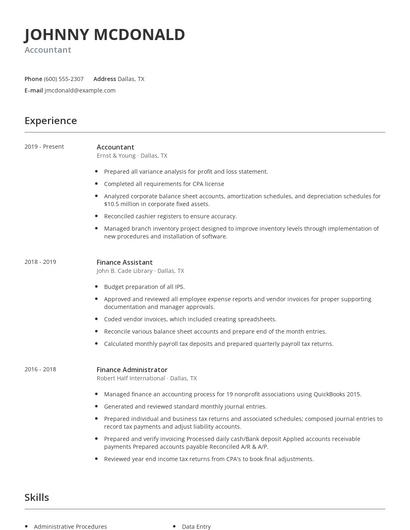
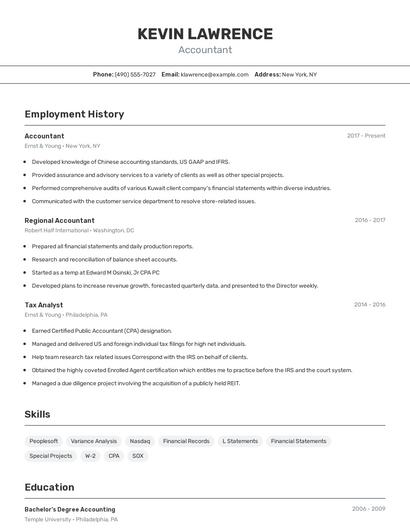
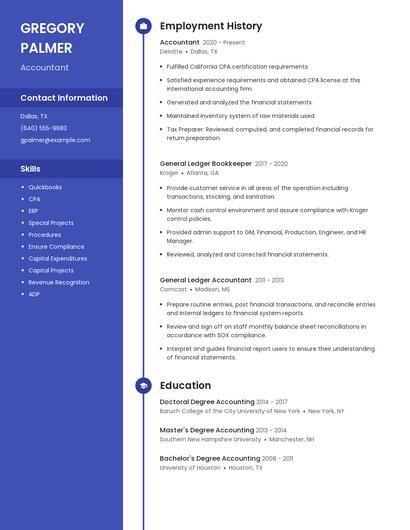
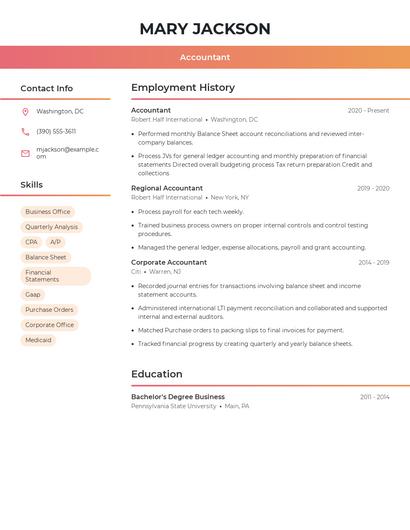
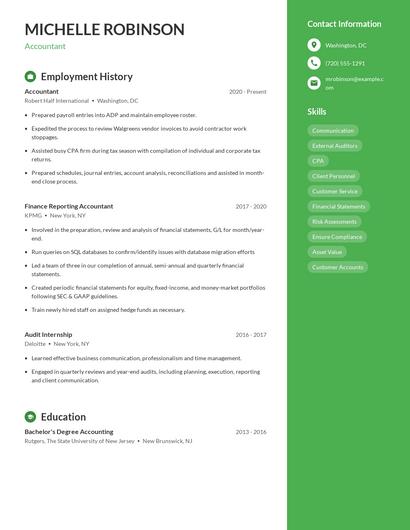
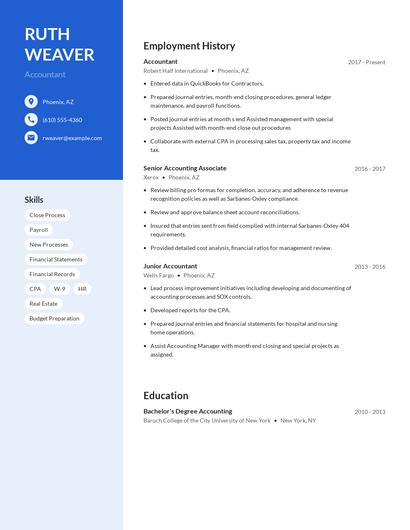
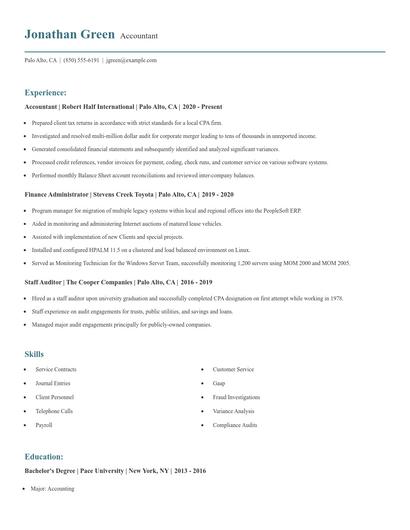
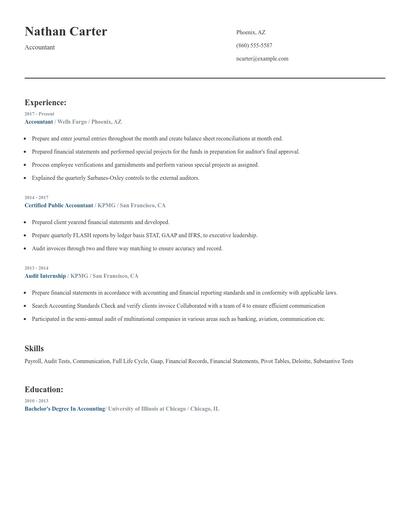
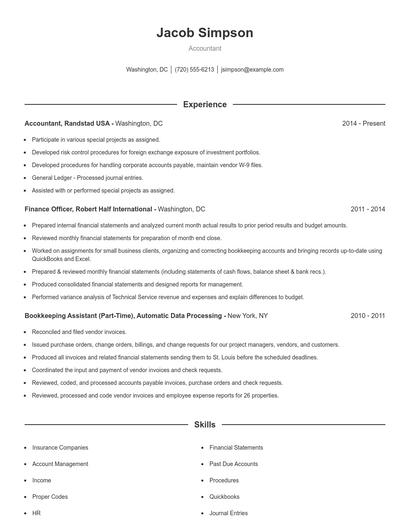
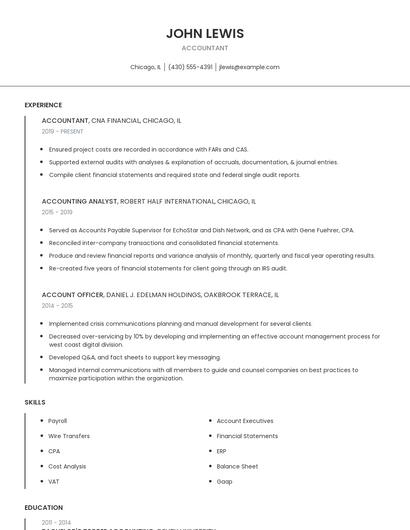
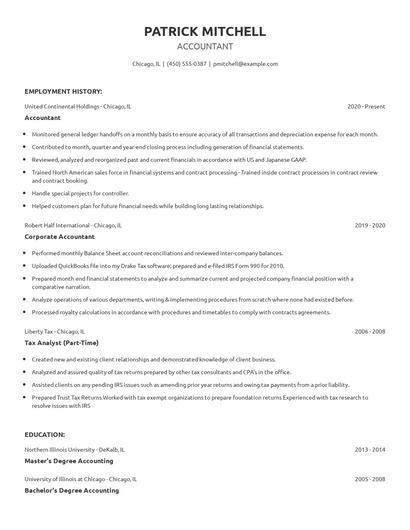
Choose from 10+ customizable resume templates
Zippia allows you to choose from different easy-to-use templates, and provides you with expert advice. Using the templates, you can rest assured that the structure and format of your resume is top notch. Choose a template with the colors, fonts & text sizes that are appropriate for your industry.