Explore jobs
Find specific jobs
Explore careers
Explore professions
Best companies
Explore companies
This question is about cardiac sonographer education.
What degree do you need to be a cardiac sonographer?
You need an associate's or bachelor's degree in diagnostic medical sonography to work as a cardiac sonographer. Beyond your degree, there are additional professional requirements that must be met to work in the field of cardiac sonography.
Most employers will accept a two-year or four-year degree in medical sonography. The majority of cardiac sonographers employed today have an associate's degree, with half as many holding a bachelor's degree.
One of the reasons that associate's degrees nearly double those with bachelor's degrees is the required additional professional requirements.
Regardless of your degree, sonographers will need to become certified and, in some cases, licensed. The American Registry for Diagnostic Medical Sonography offers certification as a Registered Diagnostic Cardiac Sonographer.
You can also seek certification through Cardiovascular Credentialing International for certification as a Registered Cardiac Sonographer.
While the majority of states rely on certification as a qualification for employment, several states do require licensure. New Hampshire, New Mexico, North Dakota, and Oregon require cardiac sonographers to be licensed. In most cases, licensure involves obtaining one or more certifications prior to submitting an application to the state.

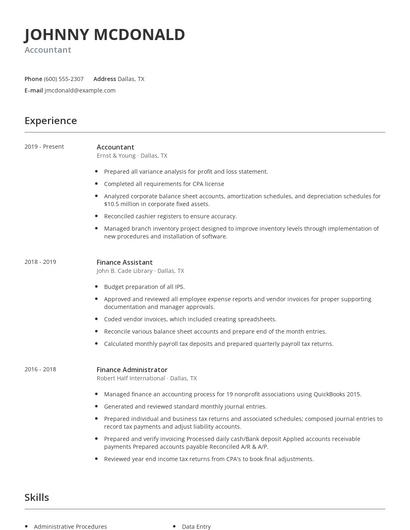
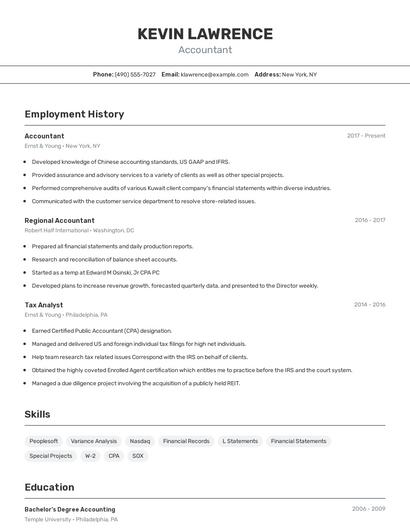
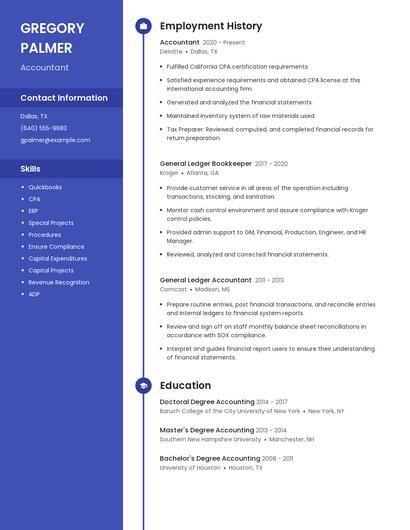
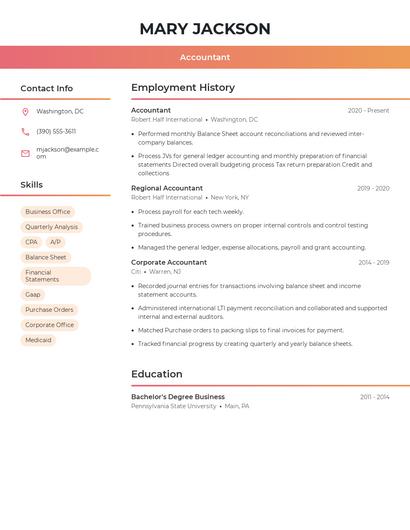
Choose from 10+ customizable resume templates
Zippia allows you to choose from different easy-to-use templates, and provides you with expert advice. Using the templates, you can rest assured that the structure and format of your resume is top notch. Choose a template with the colors, fonts & text sizes that are appropriate for your industry.