Explore jobs
Find specific jobs
Explore careers
Explore professions
Best companies
Explore companies
This question is about what a petroleum engineer does.
What do petroleum engineers do on a daily basis?
On a daily basis, petroleum engineers are engaged in activities related to the discovery and extraction of oil and gas reserves. This includes tasks such as designing equipment, testing extraction methods, and optimizing oil and gas production.
Petroleum engineers typically work on drilling sites or in offices. Their daily tasks often include:
Designing Equipment. They design drilling equipment and techniques that are used to extract oil and gas in the most efficient way possible.
Testing Extraction Methods. They conduct tests on drilling and extraction methods to ensure their effectiveness and safety. These tests often involve computer simulations or physical experiments.
Optimizing Production. They analyze data from drilling operations to identify ways to improve oil and gas production, which can involve adjusting equipment settings or developing new drilling strategies.
Maintaining Safety Standards. They ensure all operations comply with environmental and safety regulations. This often involves conducting regular inspections and audits.
Collaborating with Other Professionals. They work closely with geologists, drill operators, contractors, and other professionals involved in oil and gas extraction.
In addition to these tasks, petroleum engineers may also be tasked with researching new technologies and methods for oil and gas extraction, as well as managing budgets for drilling operations.

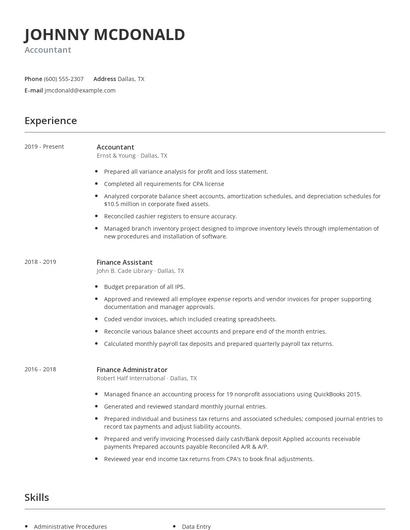
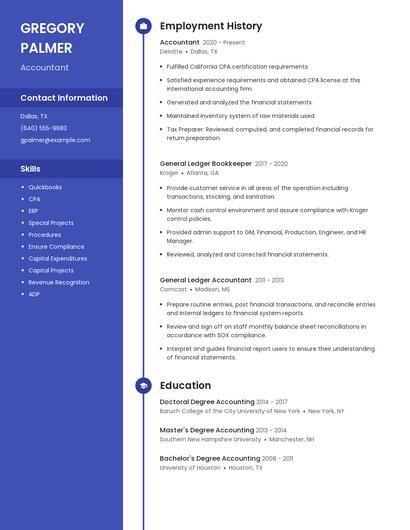
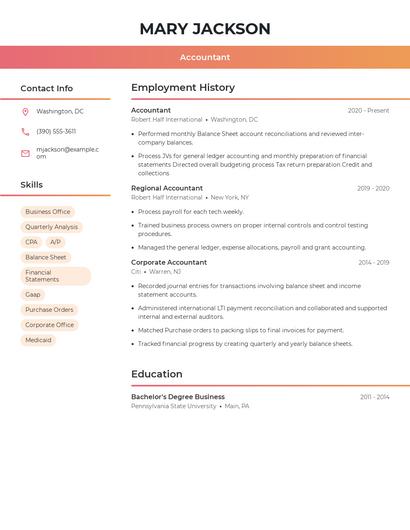
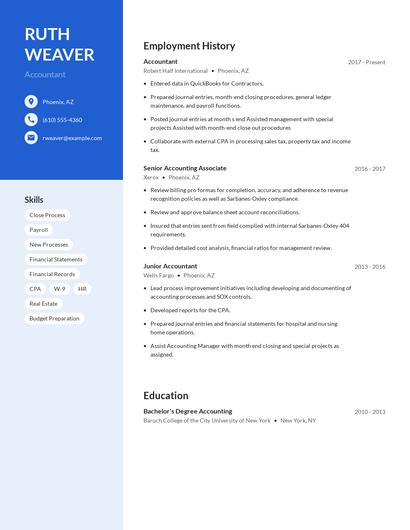
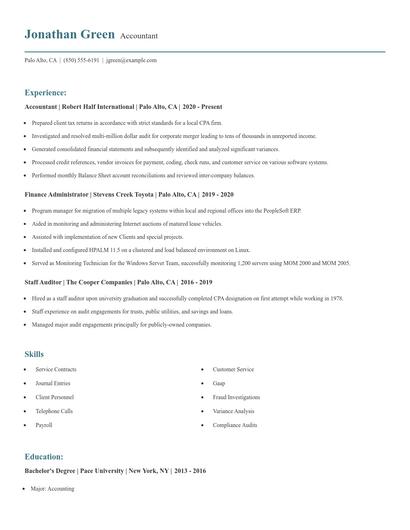
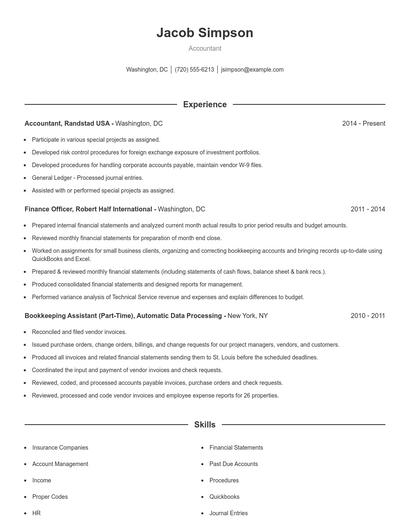
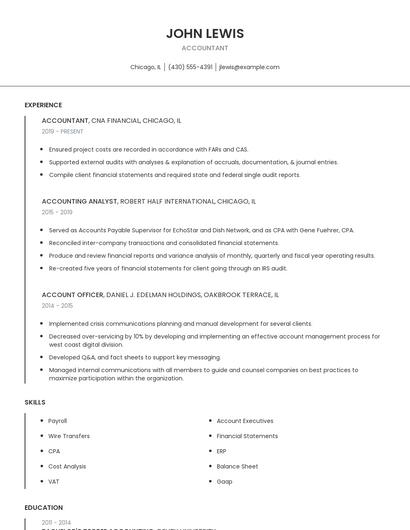
Choose from 10+ customizable resume templates
Zippia allows you to choose from different easy-to-use templates, and provides you with expert advice. Using the templates, you can rest assured that the structure and format of your resume is top notch. Choose a template with the colors, fonts & text sizes that are appropriate for your industry.