Explore jobs
Find specific jobs
Explore careers
Explore professions
Best companies
Explore companies
This question is about employer.
What is a compressed workweek?
A compressed workweek refers to a kind of work schedule that enables employees to work the same amount of hours they would usually work in a traditional five-day workweek, except a compressed workweek occurs over a shorter length of time.
Compressed workweeks often see workers at work for three to four days per week, and these days will be longer shifts when compared to a five-day workweek. Here are two of the most common examples of a compressed workweek:
4/10 schedule
A 4/10 schedule is a compressed workweek type that sees employees working for 4 days per week, and each day consists of a 10-hour shift. This means that employees on this schedule will still work a traditional 40-hour workweek, except it will be "compressed" to 4 longer days.
3/12 schedule
A 3/12 schedule is a compressed workweek type that sees employees working for 3 days per week, and each day consists of a 12-hour shift. This means that employees on this schedule will still work close to a traditional 40-hour workweek (36 hours to be exact), except it will be "compressed" to 3 longer days.
Benefits of compressed workweeks
Compressed workweeks can have benefits for both employers and employees. Employers often benefit from increased employee work productivity, reduction in overhead expenses, and improved employee morale. While employees get the chance to enjoy one to two extra days off each week, which can result in better work-life balance and save on commuting.
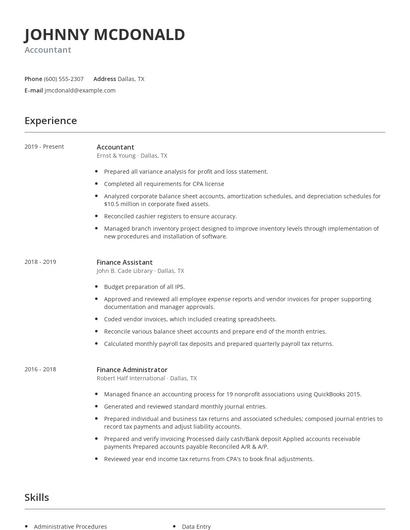
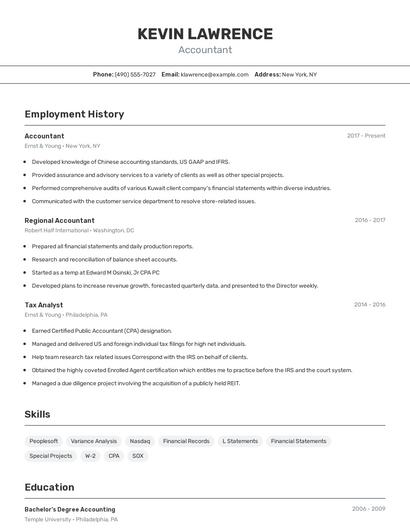
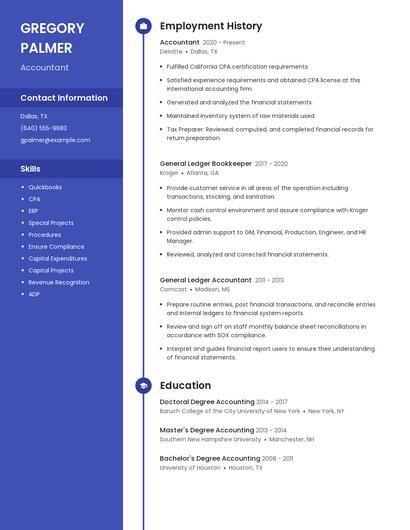
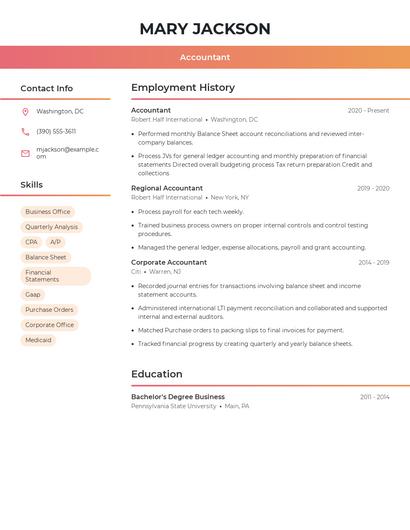
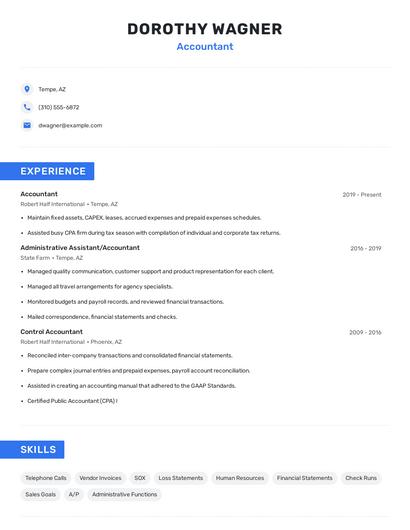
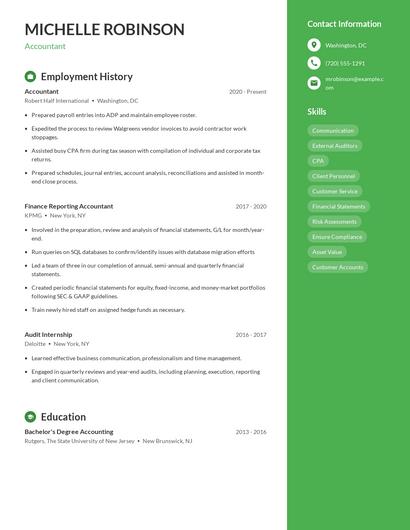
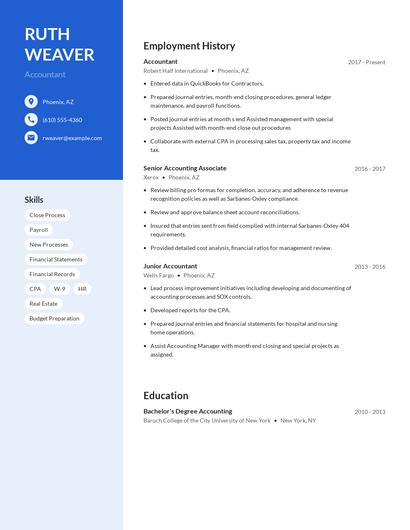
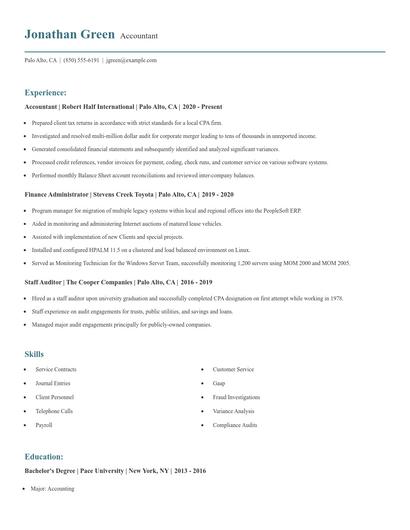
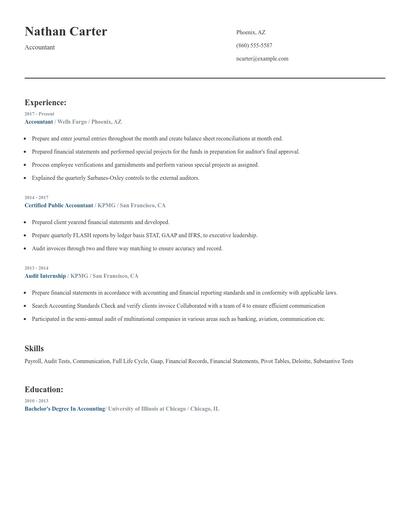
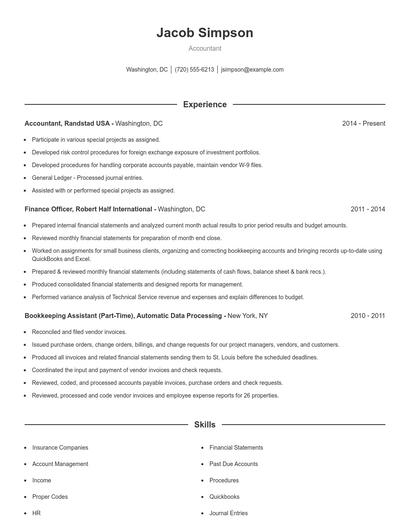
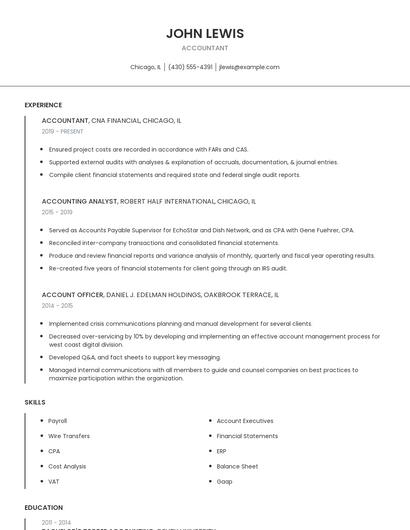
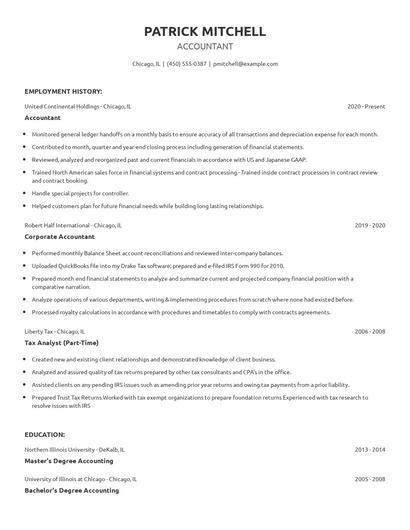
Choose from 10+ customizable resume templates
Zippia allows you to choose from different easy-to-use templates, and provides you with expert advice. Using the templates, you can rest assured that the structure and format of your resume is top notch. Choose a template with the colors, fonts & text sizes that are appropriate for your industry.