Explore jobs
Find specific jobs
Explore careers
Explore professions
Best companies
Explore companies
This question is about employer.
What is a meeting agenda?
A meeting agenda is a document that outlines the topics, issues, and activities that will be discussed or addressed during a meeting. Have you ever been to a meeting that felt like a waste of time? Maybe it wasn't well-organized and the objectives were not clearly defined, and people were talking over one another and not really listening.
Did you know that the average office worker spends approximately 31 hours per month in unproductive meetings? That translates to roughly 15% of an average 40-hour workweek, or about 23 days per year. That's a lot of wasted time you'll never get back.
This is why creating a meeting agenda is so important. It serves as a guide for the meeting and helps ensure that all important topics are covered and that the meeting stays on track and within the allotted time frame.
If you are organizing the meeting, then it's up to you to create the meeting agenda and distribute it to all of the meeting attendees prior to the meeting. This will allow the meeting attendees to have time to review the meeting objectives and reflect on any topics or concerns they wish to address.
An example of a meeting agenda looks like this:
Meeting Agenda
Date: [Insert Date]
Time: [Insert Time]
Location: [Insert Location]
Introductions and Welcome
Brief introductions of all participants
Welcome and opening remarks by the meeting facilitator
Approval of the Previous Meeting Minutes
Review of the minutes from the previous meeting
Approval of the minutes or any necessary revisions
Old Business
Discussion of any unfinished business from the previous meeting
New Business
Project Updates
Brief updates on current projects and their progress
Discussion of any issues or concerns related to the projects
Action Items
Review of action items from the previous meeting
Discussion of any new action items that need to be assigned
Next Steps and Adjournment
Discussion of next steps and follow-up actions
Summary of the meeting outcomes and key takeaways
Adjournment of the meeting
This is just an example, and the specific items on the agenda will vary depending on the purpose and goals of the meeting.
Meeting agendas are important because they help to ensure that meetings are productive, efficient, and focused on the most important topics and issues. At the end of the day, a well-organized meeting is a productive meeting, and a productive meeting is time well spent.
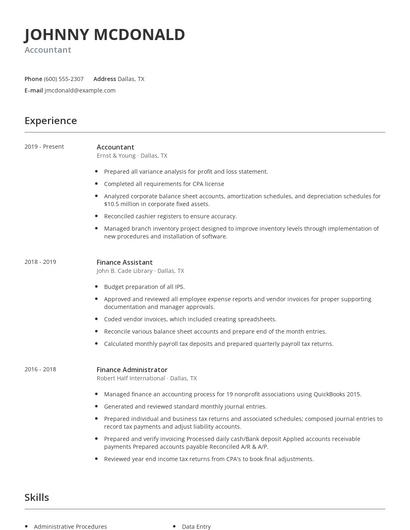
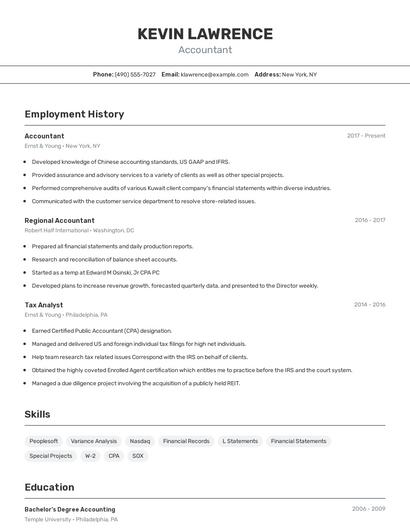
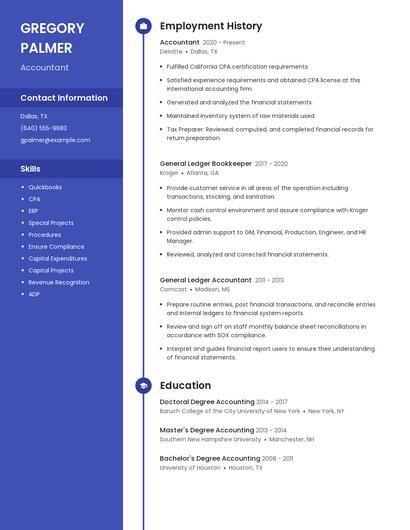
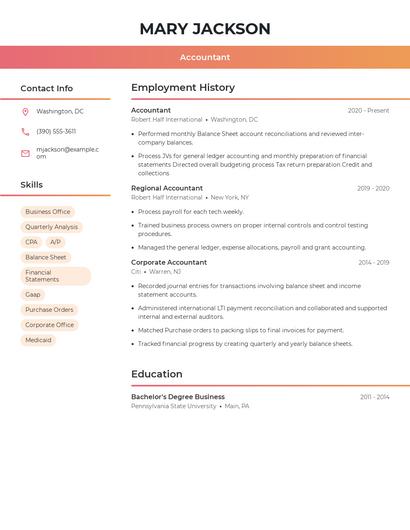
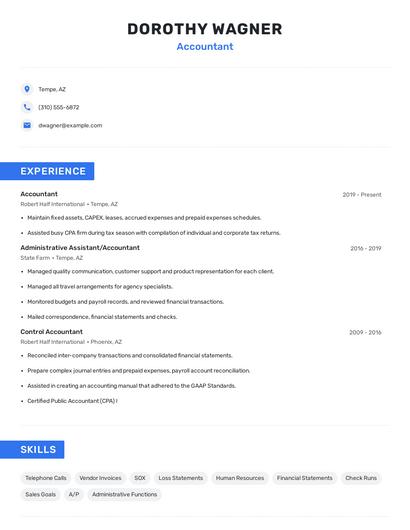
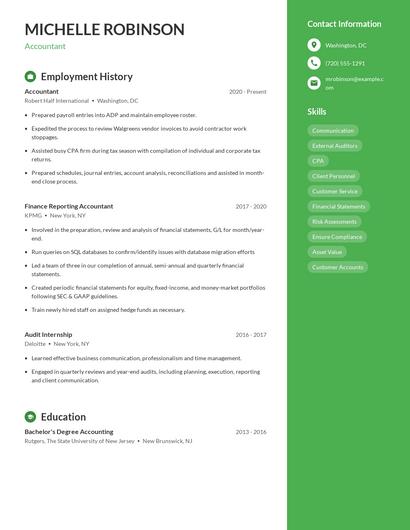
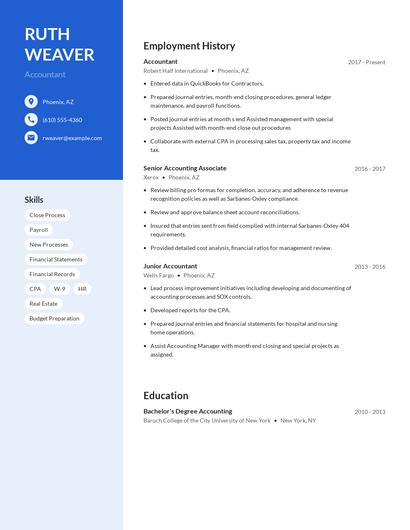
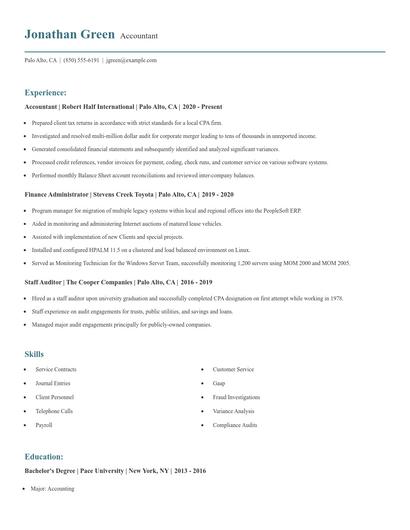
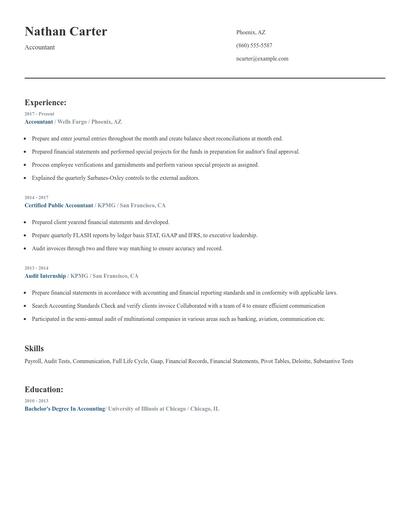
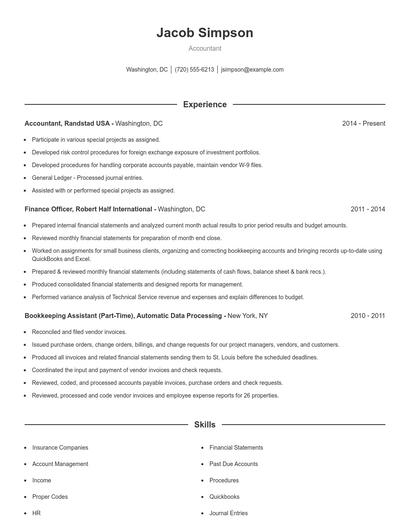
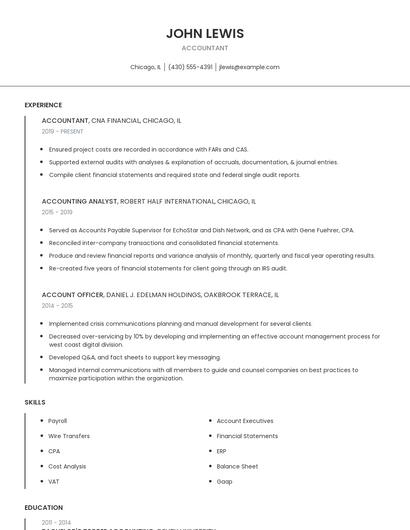
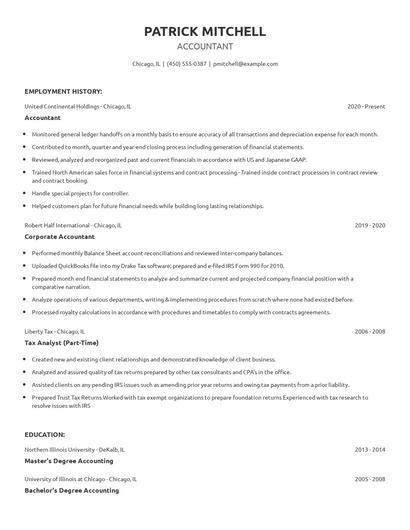
Choose from 10+ customizable resume templates
Zippia allows you to choose from different easy-to-use templates, and provides you with expert advice. Using the templates, you can rest assured that the structure and format of your resume is top notch. Choose a template with the colors, fonts & text sizes that are appropriate for your industry.