Explore jobs
Find specific jobs
Explore careers
Explore professions
Best companies
Explore companies
This question is about employer.
What is a production schedule?
A production schedule is an organized plan that outlines the specific tasks, activities, and resources needed to produce a product or deliver a service. It also specifies the start and end dates for each task, as well as the order in which the tasks should be completed.
A production schedule is an important tool for manufacturers, service providers, and project managers as it helps to ensure that all necessary tasks are completed on time and within budget. It also allows for the efficient allocation of resources, such as labor, equipment, and materials.
A typical production schedule includes the following information:
Production start and end dates. The dates on which production is scheduled to begin and end.
Task list. A list of all the tasks required to complete the project, as well as their start and end dates and the resources needed to complete them.
Resource allocation. A breakdown of the resources needed for each task, including labor, materials, and equipment.
Dependencies. Any dependencies between tasks, such as tasks that must be completed before others can begin.
Milestones. Key dates or events that mark significant progress in the project, such as the completion of a major task or the delivery of a key component.
There are six stages of production scheduling:
Planning. This stage involves determining the production goals, setting timelines, estimating the required resources, and identifying the constraints that need to be considered.
Routing. This stage involves defining the sequence of operations required to produce the product, determining the required machines, equipment, and personnel, and identifying the optimal sequence of operations to minimize production time and costs.
Scheduling. This stage involves assigning start and end times to each operation, based on the available resources and constraints, to create a detailed production schedule.
Dispatching. This stage involves releasing the production orders to the shop floor, coordinating the flow of materials, monitoring the production progress, and making adjustments as needed.
Monitoring and control. This stage involves monitoring the production process, comparing the actual performance against the planned performance, identifying variances, and taking corrective actions as needed to ensure that the production schedule is met.
Feedback and improvement. This stage involves analyzing the production data, identifying areas for improvement, and implementing changes to the production process to optimize production scheduling and improve the overall efficiency of the production system.
By using a production schedule, organizations can ensure that their production processes are well-organized and efficient and that projects are completed on time and within budget.

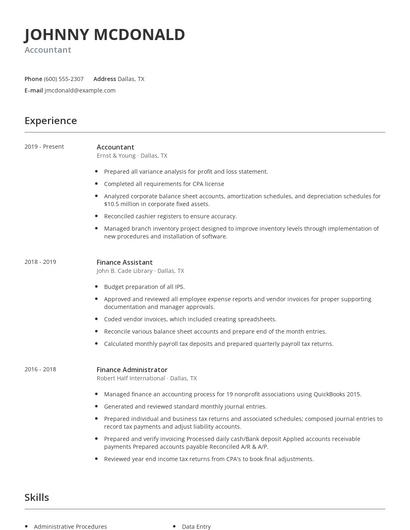
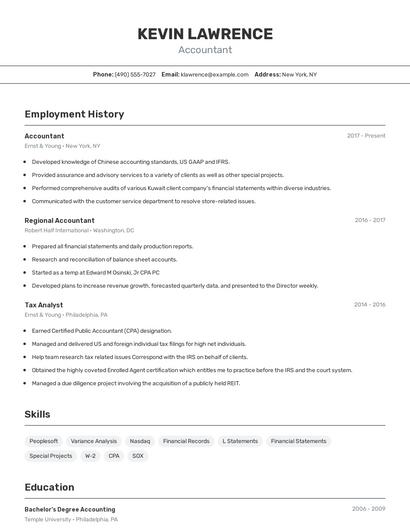
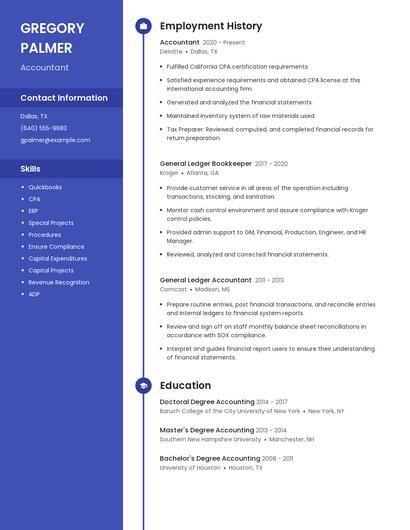
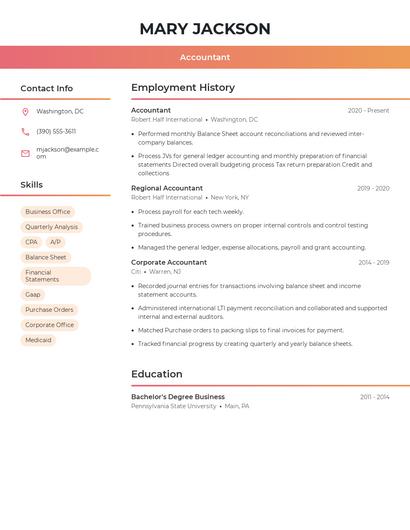
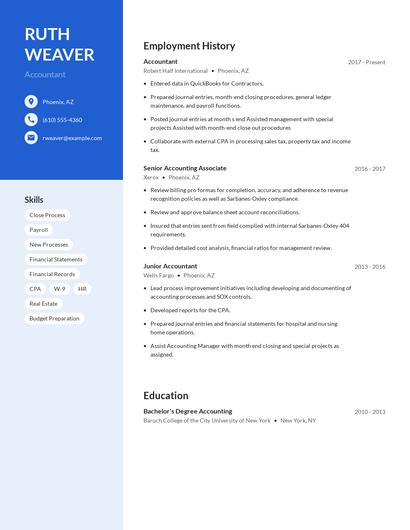
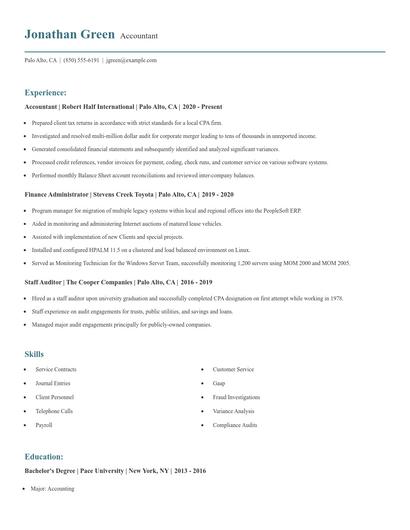
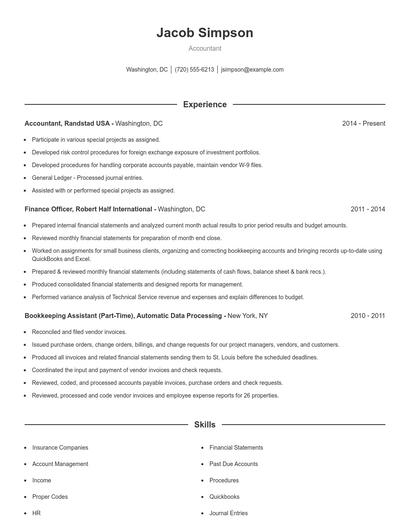
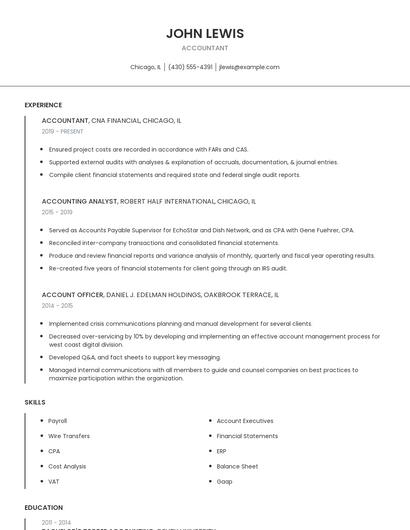
Choose from 10+ customizable resume templates
Zippia allows you to choose from different easy-to-use templates, and provides you with expert advice. Using the templates, you can rest assured that the structure and format of your resume is top notch. Choose a template with the colors, fonts & text sizes that are appropriate for your industry.