Explore jobs
Find specific jobs
Explore careers
Explore professions
Best companies
Explore companies
This question is about what a welder does.
What is a typical day for a welder?
A typical day for a welder involves reviewing blueprints, preparing the workplace, performing welding and fabrication, inspecting and testing welds, and maintaining equipment. The specific tasks and responsibilities of a welder can vary depending on the industry and specialization.
Welders can work in various sectors, including construction, manufacturing, automotive, aerospace, or shipbuilding, each with its own specific welding techniques, materials, and project requirements.
On a typical day, welders may engage in the following activities:
- Reviewing work orders and blueprints. Welders start their day by reviewing work orders, specifications, and blueprints for the projects they will be working on. They examine the drawings and instructions to understand the welding requirements, dimensions, and tolerances.
- Preparing materials and workpieces. Before beginning the welding process, welders prepare the materials and workpieces that need to be joined. This may involve cleaning, grinding, or cutting the metal surfaces to remove impurities, rust, or excess material. They may also use tools such as shears, saws, or plasma cutters to shape or trim the metal as required.
- Welding and fabrication. The primary task of a welder is to perform welding operations to join metal parts together. They operate welding equipment, position the workpieces, and use their skills to create strong and durable welds.
- Inspecting and testing welds. After completing the welding process, welders inspect and test the welds to ensure their quality and integrity. They visually examine the welds for any defects, such as cracks, porosity, or incomplete penetration. Sometimes they use X-rays, ultrasonic testing, or dye penetrant inspection, to detect any hidden flaws or imperfections in the welds.
- Maintaining equipment and work area. Welders are responsible for maintaining their welding equipment and keeping their work area clean and organized. They regularly inspect and clean their welding machines, replace worn-out or damaged parts, and ensure that safety measures, such as proper ventilation and fire safety protocols, are in place.

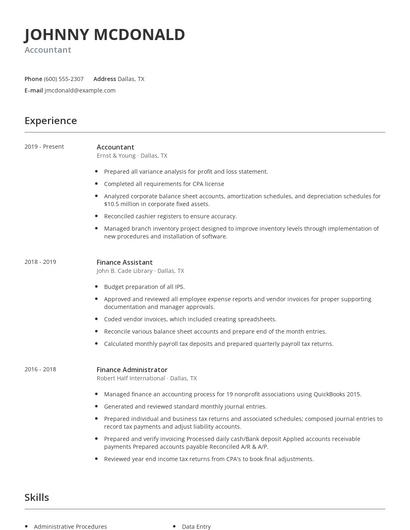
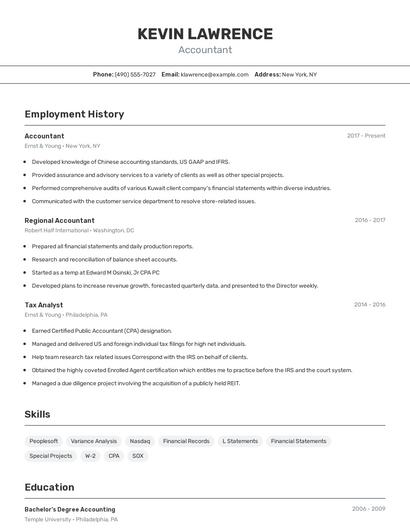
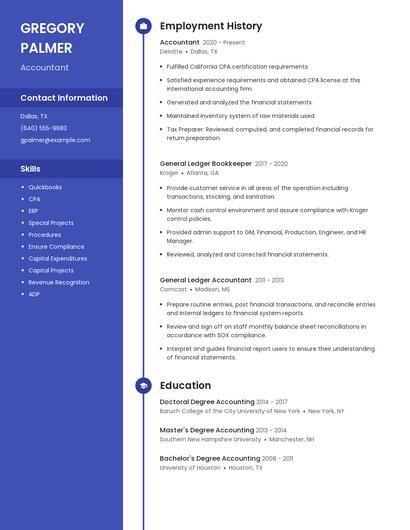
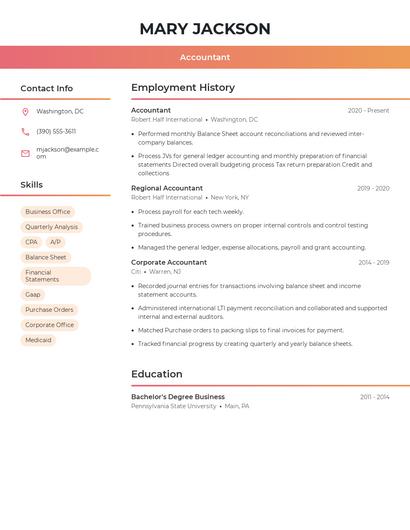
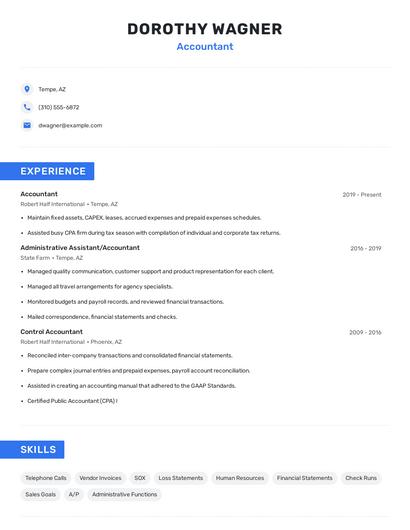
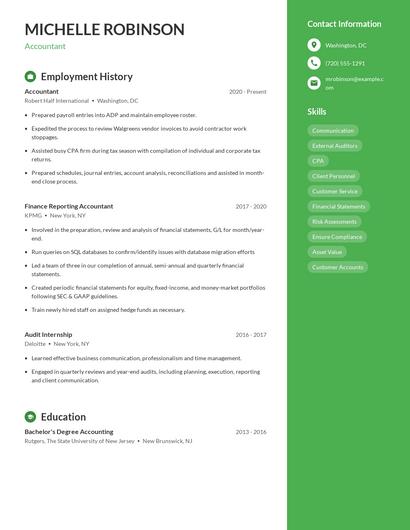
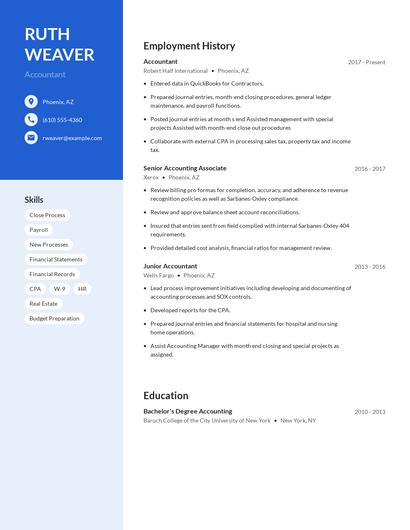
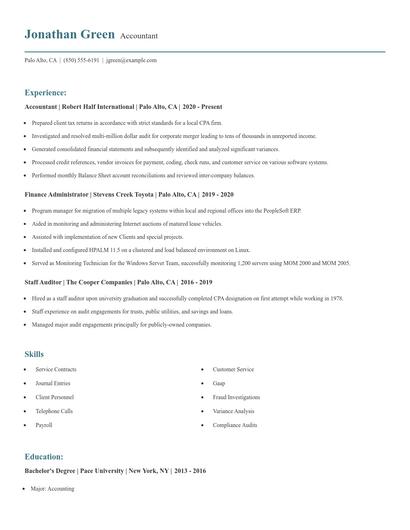
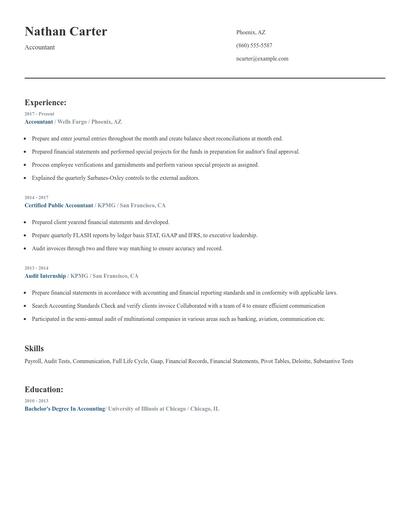
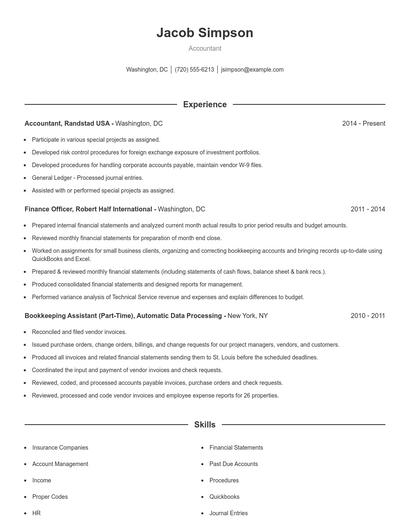
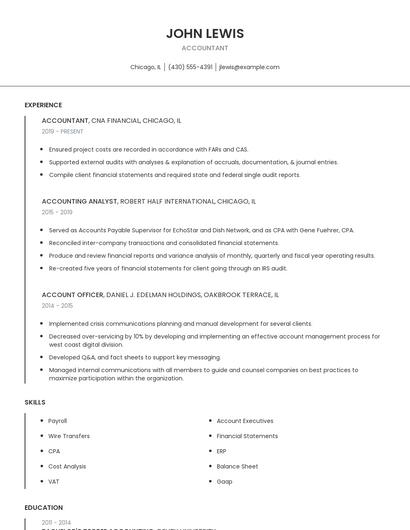
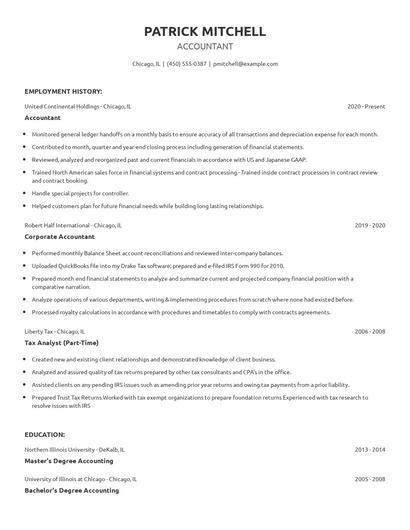
Choose from 10+ customizable resume templates
Zippia allows you to choose from different easy-to-use templates, and provides you with expert advice. Using the templates, you can rest assured that the structure and format of your resume is top notch. Choose a template with the colors, fonts & text sizes that are appropriate for your industry.