Explore jobs
Find specific jobs
Explore careers
Explore professions
Best companies
Explore companies
This question is about employer.
What is cultural diversity?
Cultural diversity is the differences that exist between people and groups from different ethnic, cultural, and racial backgrounds. The differences that are included in cultural diversity between individuals and groups might relate to any of the following:
Language
Customs
Religion
Beliefs
Behaviors
Values
Ways of living
Cultural diversity is often found within:
Countries
Regions
Towns
Cities
Neighborhoods
Workplaces
Academic institutions
Social groups
Cultural diversity is a valuable asset in many of these examples. In the workplace, it can foster mutual respect from employees from different backgrounds and give the company access to a wide variety of perspectives that can lead to innovation and sometimes growth and success.
In the workplace, employers often seek to improve their cultural diversity through Diversity, Equity, and Inclusion (DEI) training, which refers to a method organizations use to help their work environments become more diverse, equitable, and inclusive for all employees. This is especially for those that come from minority groups or marginalized communities.
Here is a closer look at each element of DEI training:
Diversity
Diversity refers to the presence of differences in a specific work group or staff. These differences may include elements pertaining to culture, race, sex, religion, gender, or a number of other factors. Diversity can also apply to personal preferences, such as political affiliations, communication preferences, or learning preferences.
Equity
Equity focuses on the promotion of social and legal justice for specific groups. Equity seeks to mend structural inequalities through the use of specific:
Procedures
Practices
Processes
Distribution of resources
The bottom line of equity is that it addresses issues of social and institutional inequality.
Inclusion
Inclusion refers to the process of making any employee feel welcome in a workplace, regardless of their race, gender, religion, disability, or other identifying feature. There are many different types of DEI training that might be included in human resource development, such as:
This is meant to help employees understand their implicit and unconscious biases towards certain groups of people. This form of DEI training can educate an organization's employees and ultimately improve its cultural diversity.
Allyship training
Allyship training's focus is to enable those in positions of privilege or power to support or amplify the concerns or needs of an employee or group of employees that come from a minority group or historically marginalized community. Allyship training opens employers up to being more culturally diverse.
Bystander communication training
This form of DEI training instructs employees on how to speak up when they witness another employee being discriminated against or if they see that the coworker is being harassed in any way. This form of DEI training is meant to protect culturally diverse professionals at a company.
Specific training on hiring practices
This type of training involves human resource departments, hiring managers, recruiters, and any other employees that take part in an organization's hiring process. It can have many DEI-related objectives, including making an organization more culturally diverse.

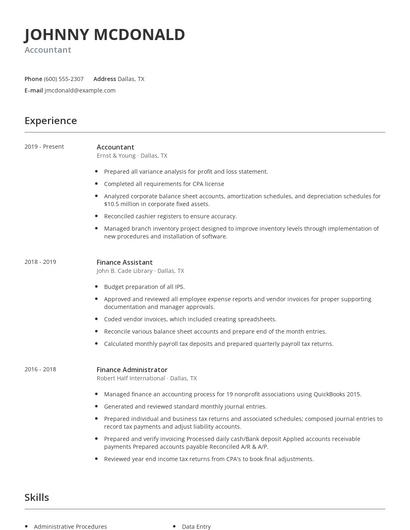
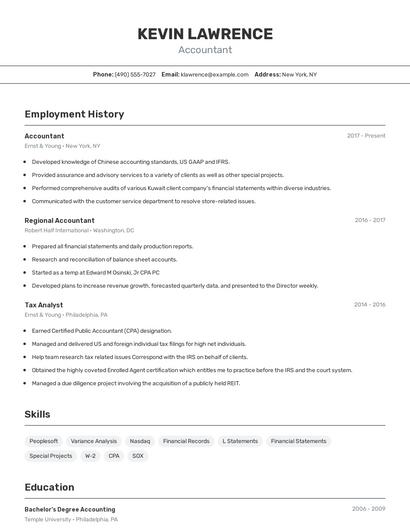
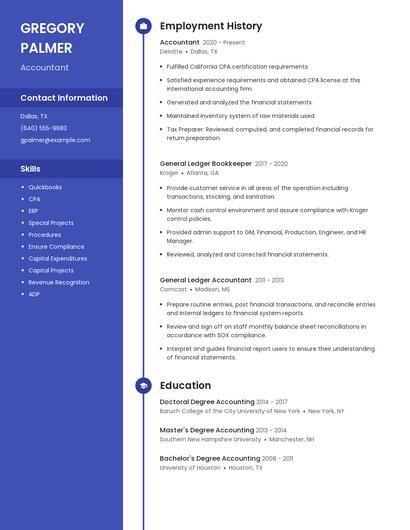
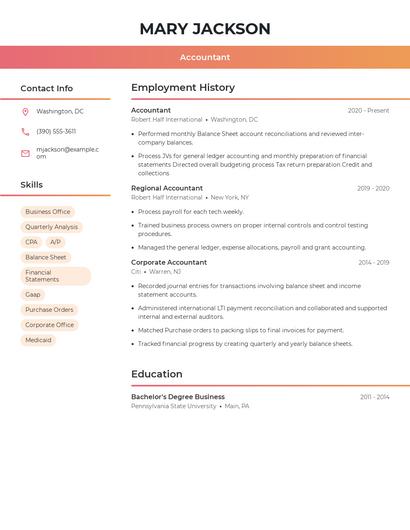
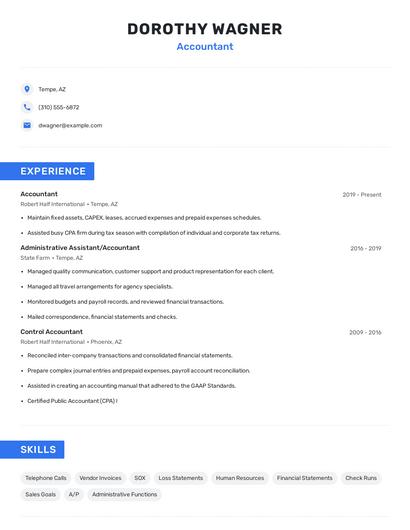
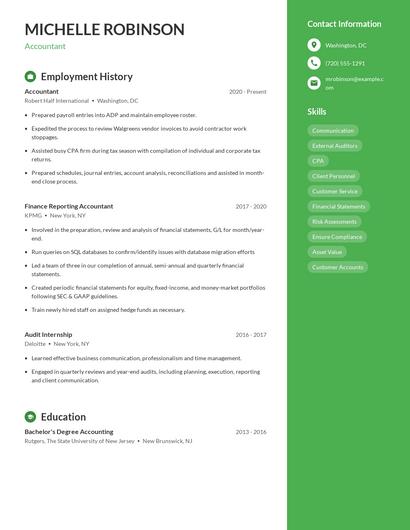
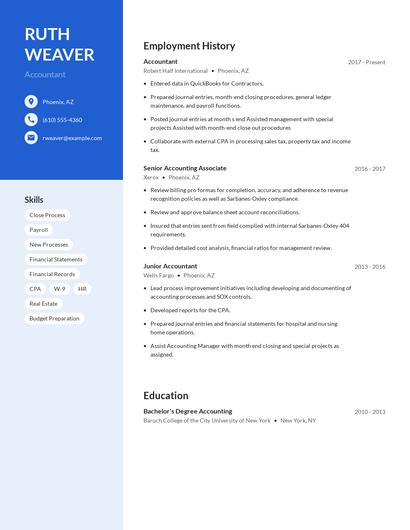
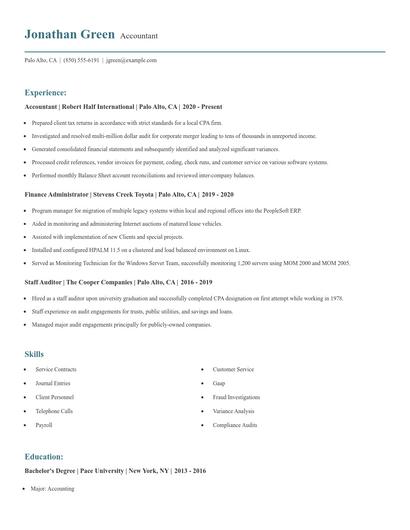
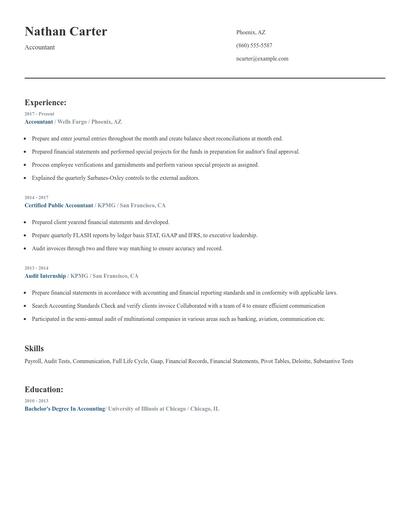
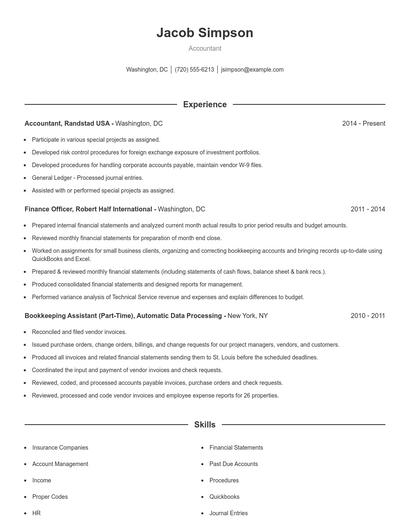
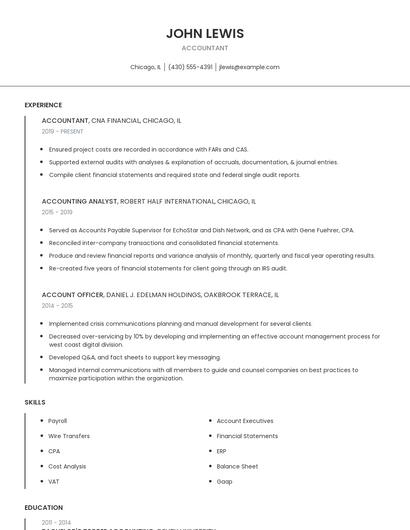
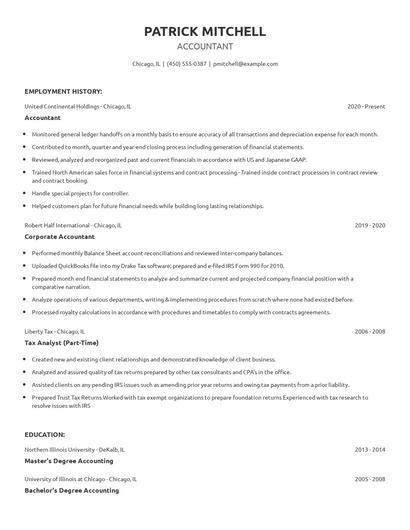
Choose from 10+ customizable resume templates
Zippia allows you to choose from different easy-to-use templates, and provides you with expert advice. Using the templates, you can rest assured that the structure and format of your resume is top notch. Choose a template with the colors, fonts & text sizes that are appropriate for your industry.