Explore jobs
Find specific jobs
Explore careers
Explore professions
Best companies
Explore companies
This question is about greenwashing.
What Is Greenwashing in Fashion?
The fashion industry uses greenwashing to appeal to consumers in the same way that other industries do. It often has to do with the types of materials used for clothing, as well as the practices they follow in order to manufacture the goods.
Greenwashing in fashion can include:
Implying that natural materials are inherently more eco-friendly. While there are definite benefits to natural materials, such as cotton being biodegradable, it also depends on how it's grown and where it's grown. Bamboo and rayon are often promoted as superior to polyester because they are made from natural materials, but that's only one piece of the story.
Depending on how the crops are grown, there can be a lot of additional pollutants, such as pesticides, fertilizer runoff, and fuel usage, to power the farm equipment. Does that mean that natural materials are worse for the environment? Not at all. But it's important to consider the whole impact of the item's creation.
Promoting something as vegan. There's nothing wrong with vegan clothes or clothes that use no animal products. However, many businesses will proudly label a product vegan with the implication that that makes it more environmentally friendly. That's not necessarily so. Leather is biodegradable, but many synthetic materials may not be.
Find out how these products are made. Faux leather and faux fur can be made from petroleum or essentially a type of plastic. These can have negative effects on the environment, both in the extraction of the oil as well as the fact that most of these materials aren't biodegradable or at least stay around for far longer than actual leather or fur.
Not mentioning the conditions that the clothing was made in. It's not uncommon for clothing to be made in factories overseas. Oftentimes, these are in counties that have very limited regulations in terms of employee protection or pollution.
So just because a product may be made of cotton - or even organic cotton - the processing, dying, and construction of the product may produce pollutants or be made in a sweatshop.
Using misleading language. As with all greenwashing, fashion can use the same tricks, such as saying that a pair of shoes are made of 20% more recycled bottles when the original total was only 5%.

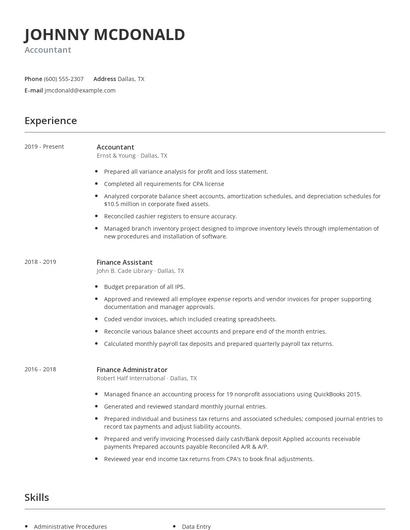
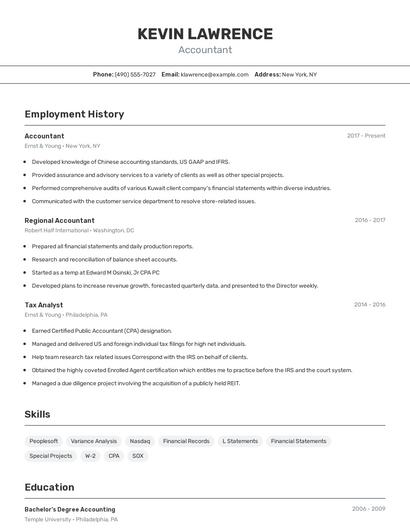
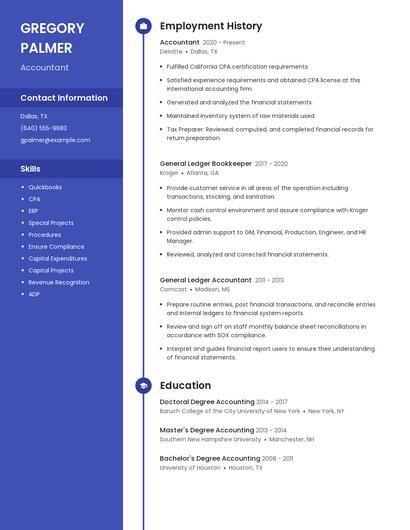
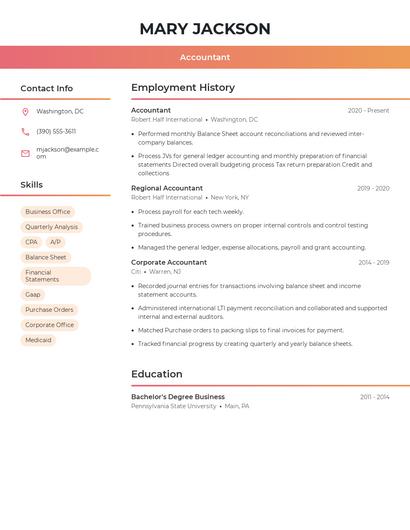
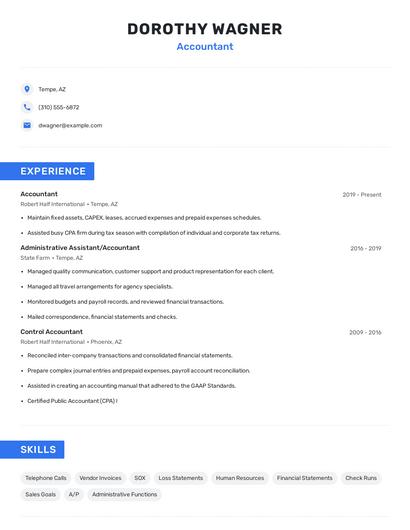
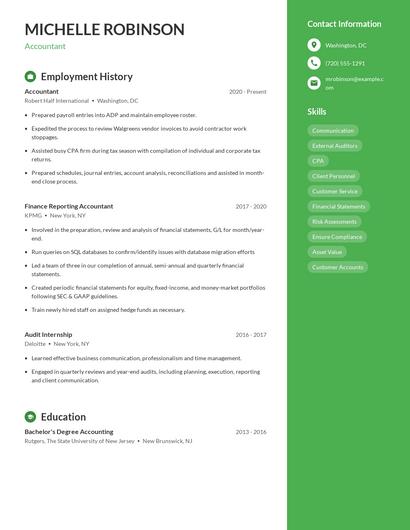
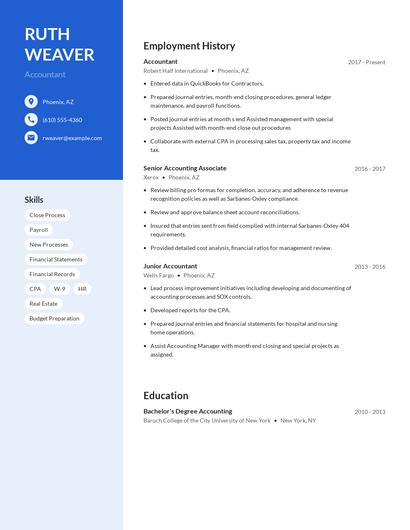
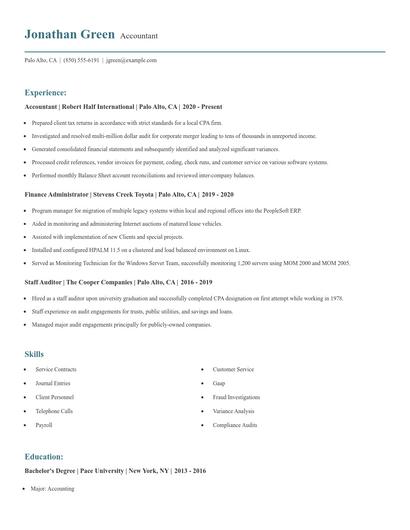
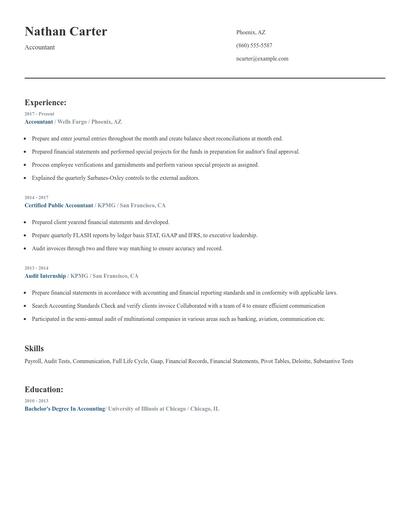
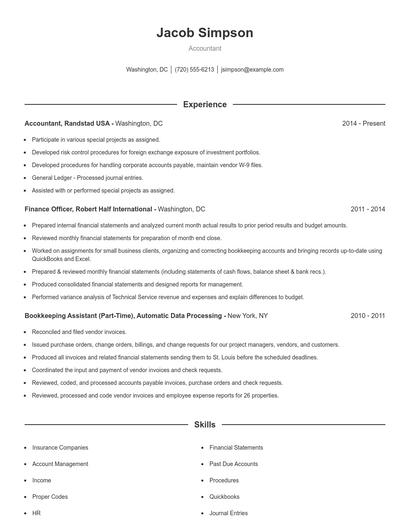
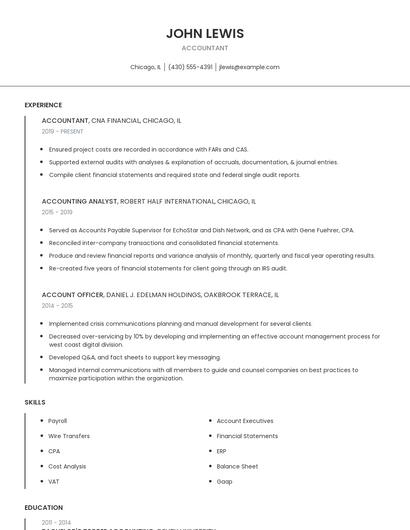
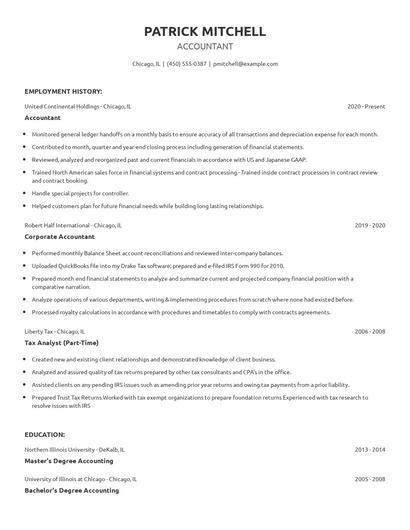
Choose from 10+ customizable resume templates
Zippia allows you to choose from different easy-to-use templates, and provides you with expert advice. Using the templates, you can rest assured that the structure and format of your resume is top notch. Choose a template with the colors, fonts & text sizes that are appropriate for your industry.