Explore jobs
Find specific jobs
Explore careers
Explore professions
Best companies
Explore companies
This question is about employer.
What is in lieu of notice pay?
In lieu of notice pay is when an employer pays an employee who was terminated without cause, their regular salary for the time during which they would have normally been given notice. If an employer fails to give termination notice or provide in lieu of notice pay, then they are liable for potential civil penalties and possibly even lawsuits.
In lieu of pay notice simply means an employer pays an employee instead of giving them advanced notice that their job will be terminated. The employer, for instance, may be obligated to provide pay in lieu of notice because of statutory requirements, company policies, a collective bargaining agreement, or an employment contract.
For example, if an employee is covered by a contract that stipulates 30 days' notice and the employer ends the contract without providing that notice, the employee may be eligible for payment in lieu of notice. The employee would continue to receive wages for the duration of the notice period.
An employer may be able to end employment immediately for an employee who resigns, even if the employee gives notice. Whether you are paid for the notice period depends on state law, company policy, or employment agreements that mandate payment of wages.
For example, in Maryland, unless it's provided for in an employment contract, agreement, or policy, an employer is not required to allow an employee to work the termination notice period or pay the employee for the time they are not allowed to work.

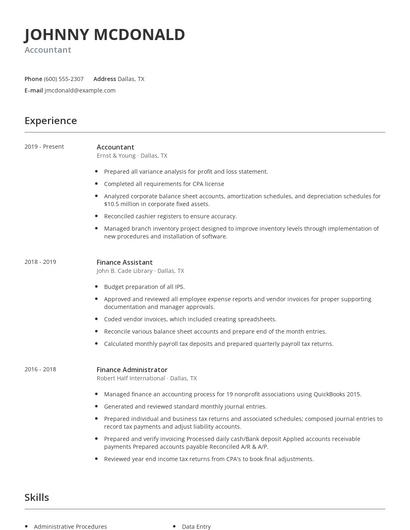
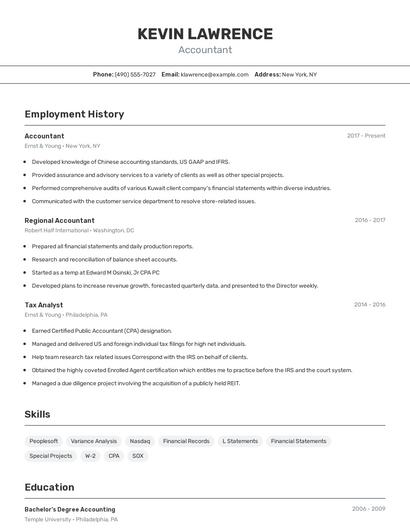
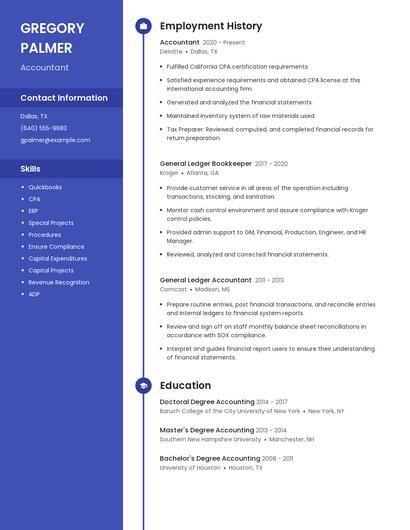
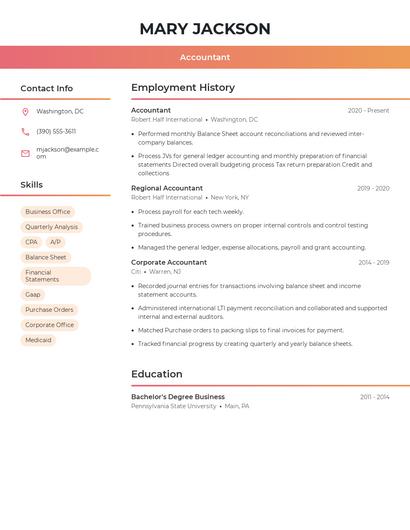
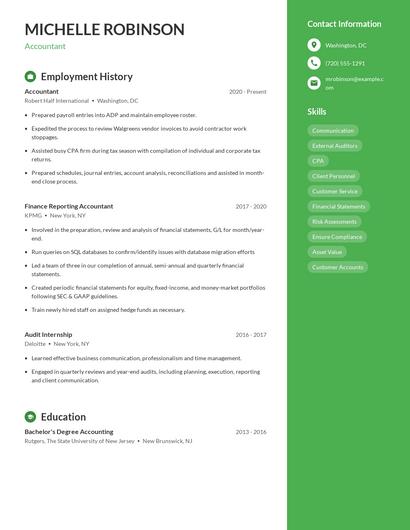
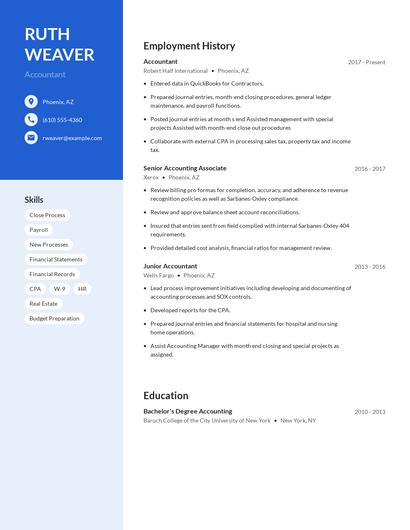
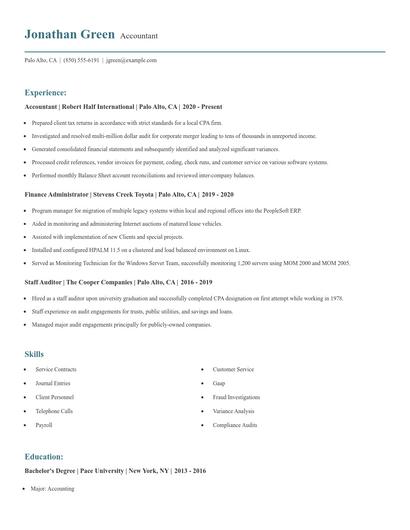
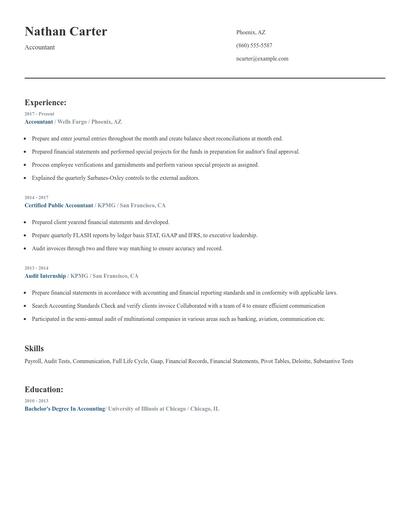
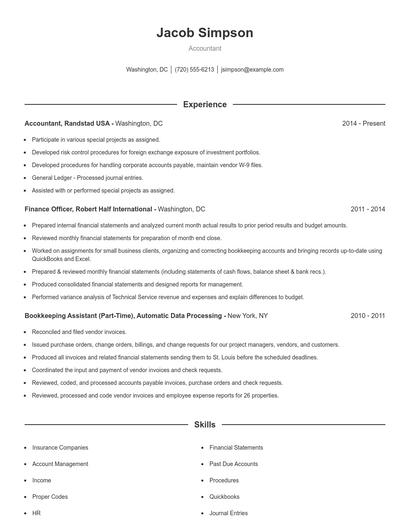
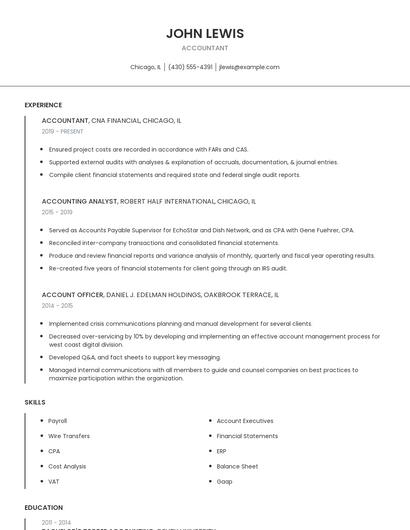
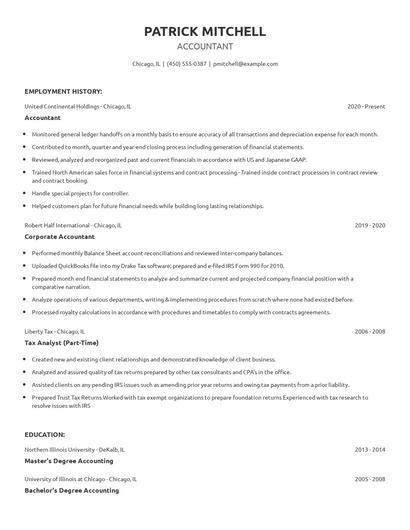
Choose from 10+ customizable resume templates
Zippia allows you to choose from different easy-to-use templates, and provides you with expert advice. Using the templates, you can rest assured that the structure and format of your resume is top notch. Choose a template with the colors, fonts & text sizes that are appropriate for your industry.