Explore jobs
Find specific jobs
Explore careers
Explore professions
Best companies
Explore companies
This question is about sound engineer demographics.
What is the demand for sound engineers?
The demand for sound engineers is generally high, as their skills are required in various industries such as music, film, television, and live events. The need for sound engineers has grown with the increasing complexity of audio technology and the ongoing demand for high-quality sound in entertainment and communications.
Sound engineers are essential within the music industry, as they handle the technical aspects of sound during the recording, mixing, and reproduction process. This can range from setting up complex equipment to fine-tuning specific sounds during a studio recording session.
In film and television, a sound engineer's role is critical. They record, synchronize, mix, or reproduce music, voices, and sound effects. With advancements in surround-sound technology for home entertainment systems and cinemas, there is a constant need for skilled sound engineers to create an immersive audio experience.
Live events such as concerts, theatre performances, and corporate events also require the expertise of sound engineers. They ensure that the sound quality is optimal and consistent throughout the event, managing everything from microphones to large speaker systems.
In conclusion, the demand for sound engineers remains strong due to their indispensable role in various fields. This demand is likely to persist, as technology continues to evolve and audiences continue to expect high-quality audio experiences.

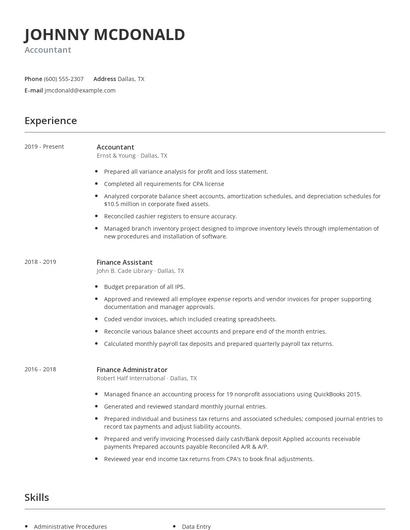
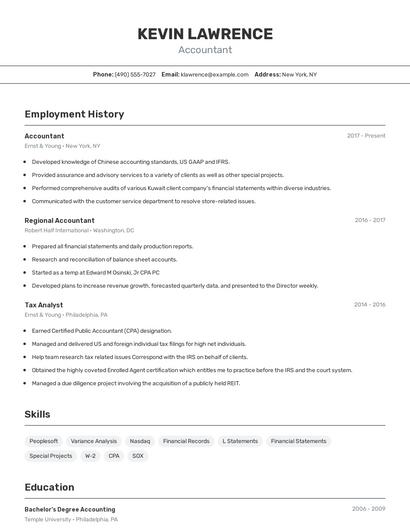
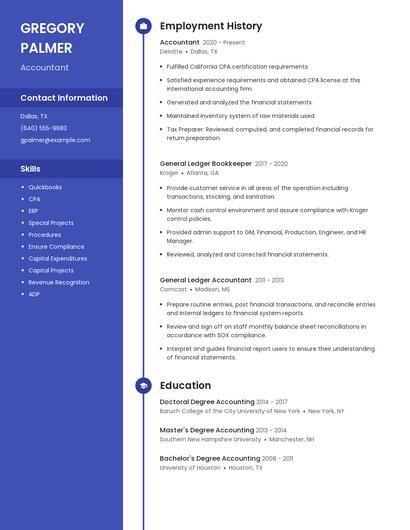
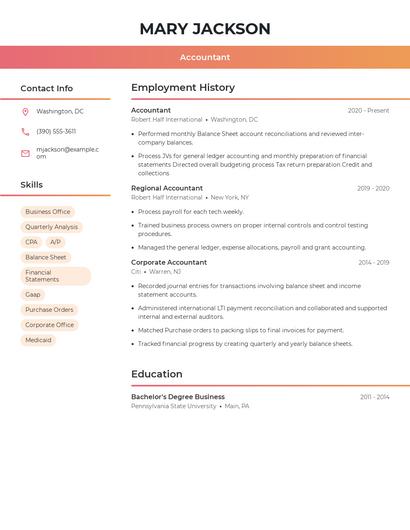
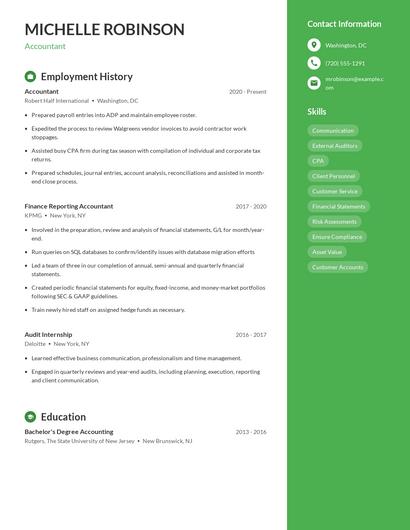
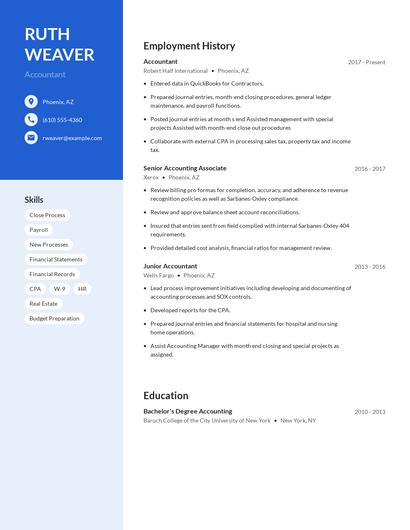
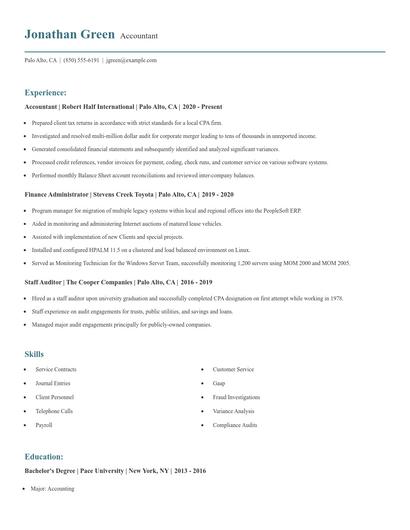
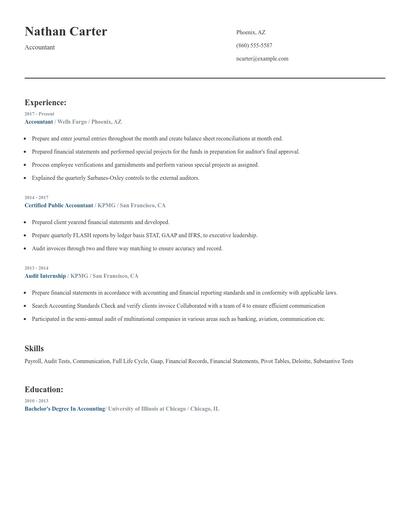
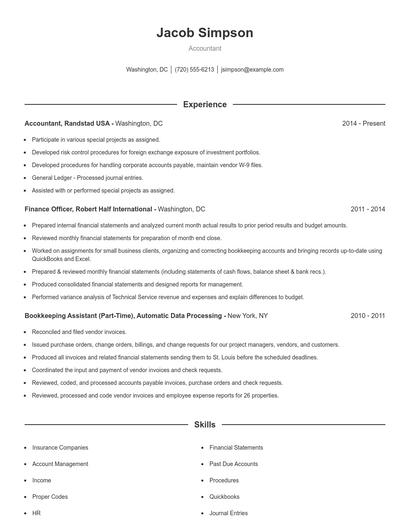
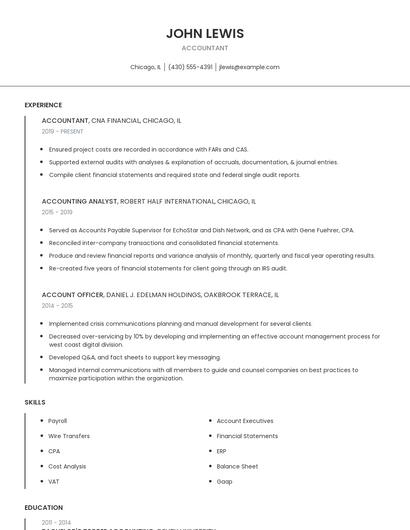
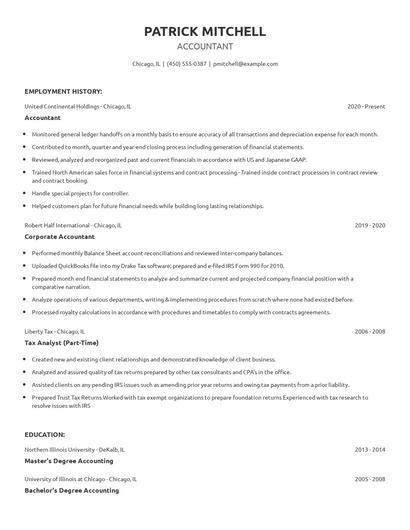
Choose from 10+ customizable resume templates
Zippia allows you to choose from different easy-to-use templates, and provides you with expert advice. Using the templates, you can rest assured that the structure and format of your resume is top notch. Choose a template with the colors, fonts & text sizes that are appropriate for your industry.