Explore jobs
Find specific jobs
Explore careers
Explore professions
Best companies
Explore companies
This question is about paleontologist.
What should I study to become a paleontologist?
You should study geology, biology, or paleontology to become a paleontologist. A bachelor's degree in one of these fields is typically required to become a paleontologist. However, a master's or Ph.D. is often necessary to advance in this field and conduct independent research.
The most common degree titles for a paleontologist are Bachelor of Science (B.S.) in Geology, Paleontology, or a related field. A Master of Science (M.S.) or a Ph.D. in Paleontology or a related field is often required for more advanced positions in academia or research. Some paleontologists may also have degrees in biology or ecology.
Many universities offer paleontology programs that offer students the opportunity to take courses and participate in research in geology, biology, and paleontology. Other important courses to take as a prospective paleontologist include chemistry, physics, statistics, computer science, archaeology, and environmental science.
Once you have your paleontologist degree, there are two good certifications that include - Certified Paleontological Technician (CPT) and the Professional Geologist (PG) certification. These certifications demonstrate proficiency in various aspects of paleontology and can enhance job opportunities and advancement in the field.

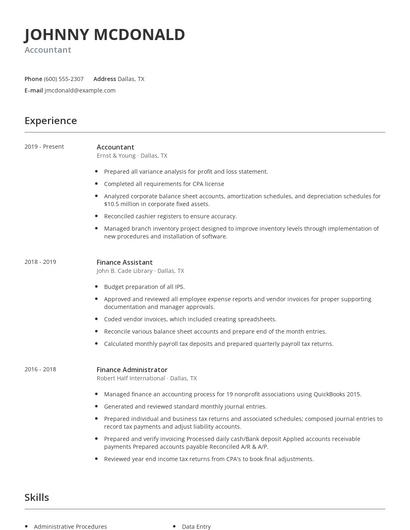
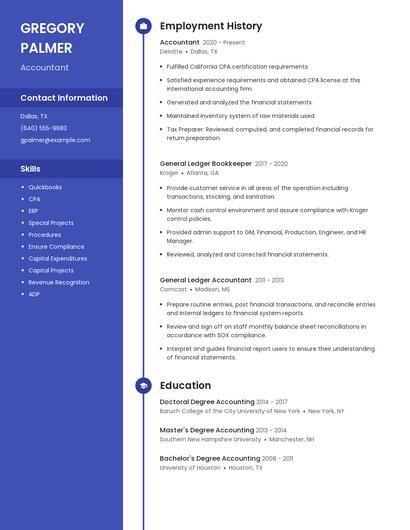
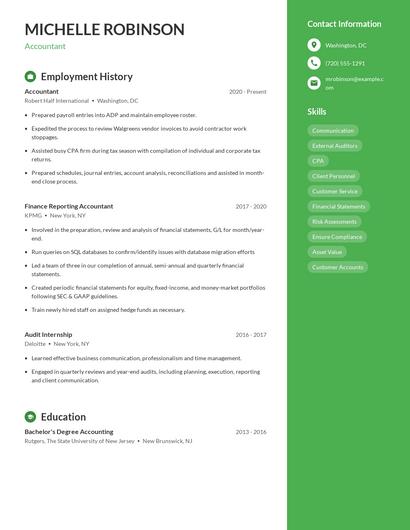
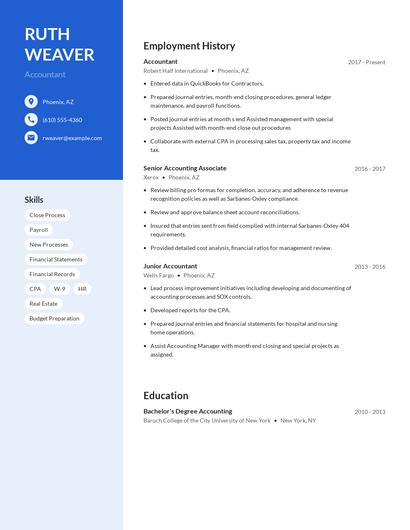
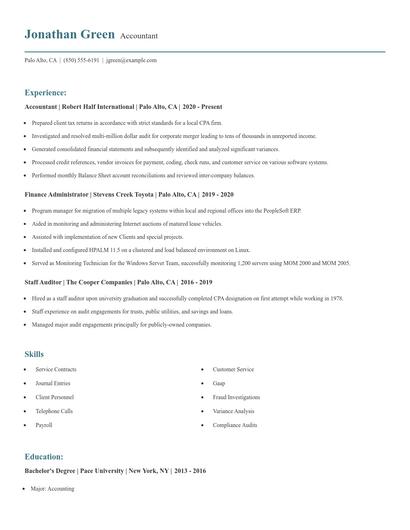
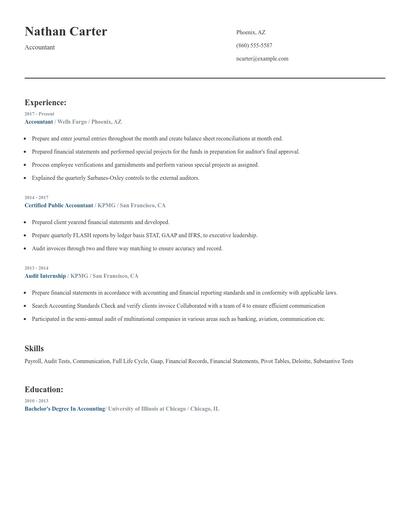
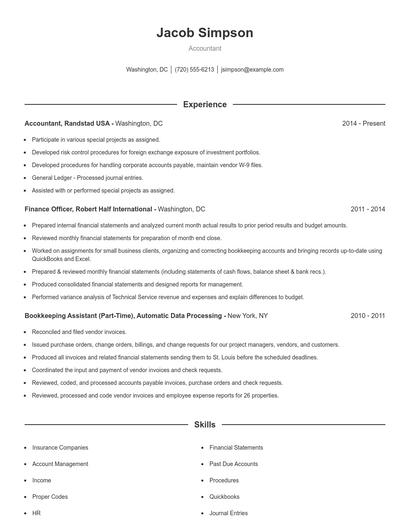
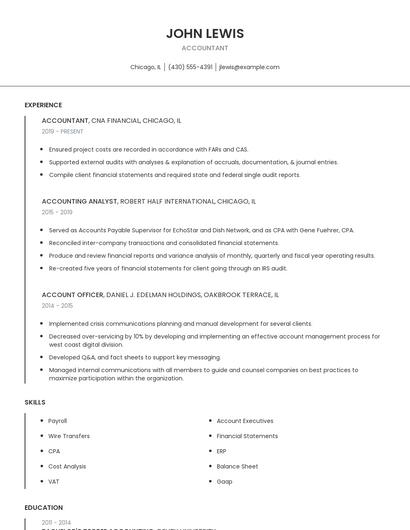
Choose from 10+ customizable resume templates
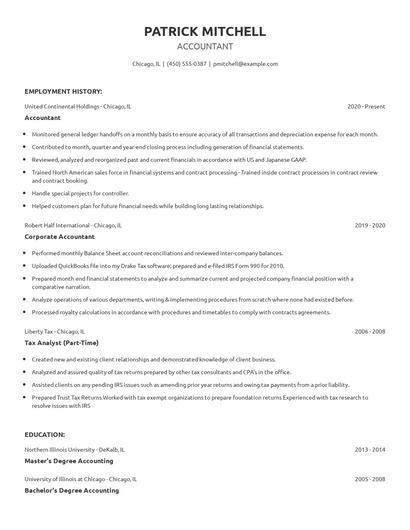
Zippia allows you to choose from different easy-to-use templates, and provides you with expert advice. Using the templates, you can rest assured that the structure and format of your resume is top notch. Choose a template with the colors, fonts & text sizes that are appropriate for your industry.