Explore jobs
Find specific jobs
Explore careers
Explore professions
Best companies
Explore companies
This question is about careers.
What to do when a contractor doesn't finish the job?
When a contractor doesn't finish the job, you should first review the contract and try to talk to the contractor; if that doesn't work, there are several ways you can legally try to get your money back. For example, you can file a suit in small claims court, seek legal advice and consider hiring an attorney, file a claim against the surety bond, and/or you could file a complaint with the state licensing board and the Better Business Bureau. You can also leave the company some honest reviews to warn others against using this contractor.
By the time you've decided on a contractor, finalized an agreement, and paid the deposit, the last thing you need is for it all to fall apart. This is the time for you to act rationally and begin to gather all the evidence that you can. A good first step you can take is to document the unfinished work, such as through screenshots and photos, and contact your contractor to try and come up with a resolution.
Here are some steps you can take if your contractor doesn't finish the job:
File a suit in small claims court. Maybe you've paid them in advance for labor or supplies, or perhaps they left substantial damage to your house before going MIA. The small claims court system allows individuals the opportunity to raise small claims against companies or other individuals. The maximum for small claims court settlements differs from state to state.
Seek legal advice and consider hiring an attorney. If the case is complex and you feel you would benefit from some legal counsel, seek the guidance of a legal professional before deciding your next move. Additionally, your case may be worth more than your state's small claims court will allow, in which case the only way to pursue any compensation legally would be to hire an attorney.
File a claim against the surety bond. A licensed and bonded contractor is required to have a surety bond in place to provide some level of protection to consumers in the event of any contractual issues. This is a form of financial security for the consumer when situations like this arise. If you decide to file a complaint with the licensing board against their bond, you may get your money back.
Leave online reviews and feedback. After the legal process plays out and a verdict has been reached, you may want to leave honest reviews and feedback online. Leaving detailed reviews regarding your negative experience with your contractor on community boards, online review sites, and social media platforms is a quick and cost-effective way to detract others from having the same negative outcomes as you.
File a complaint with the state licensing board and the Better Business Bureau. In most states, construction industry contractors are required by law to hold a license that is verified and approved by a state licensing board. Therefore, if you are not arriving at any agreeable solutions with your contractor directly, you can file a complaint with your state's licensing board.

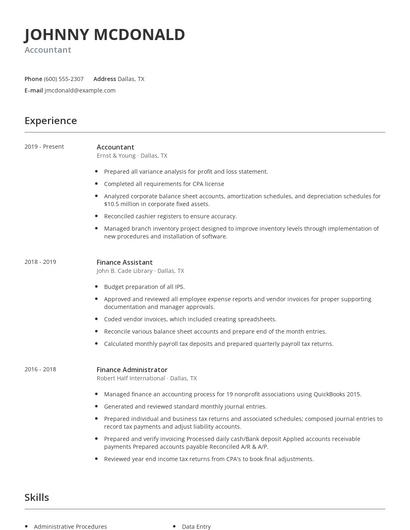
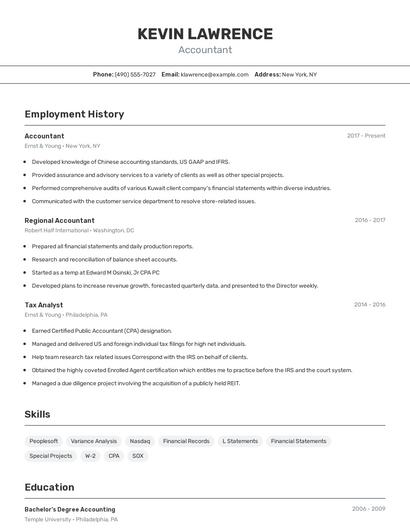
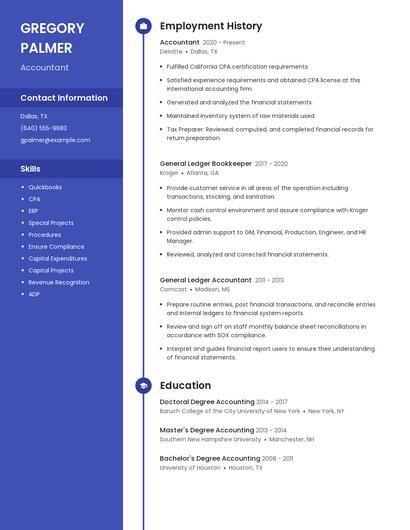
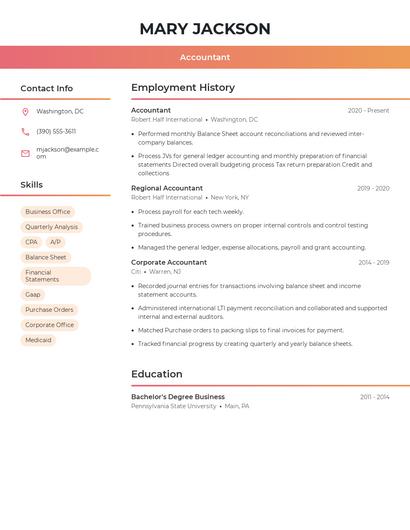
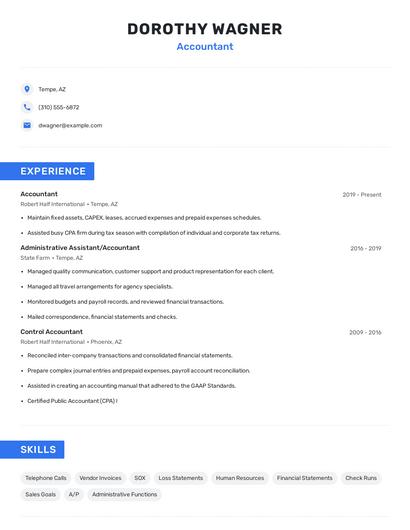
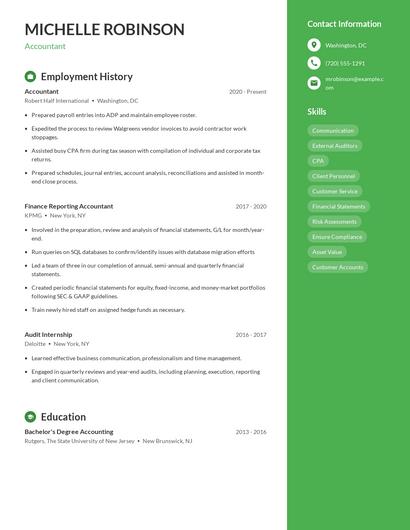
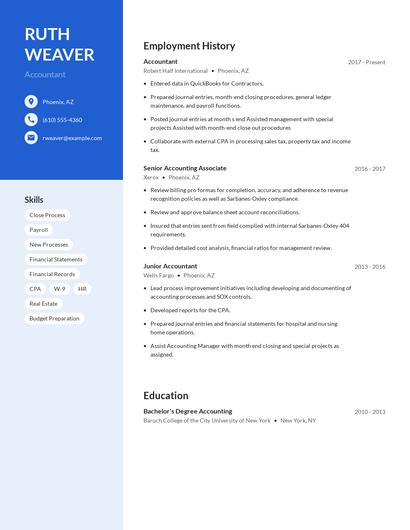
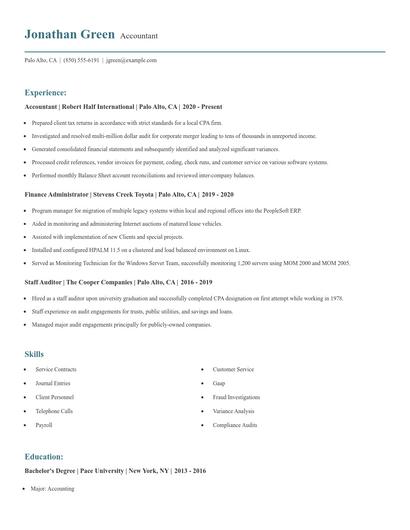
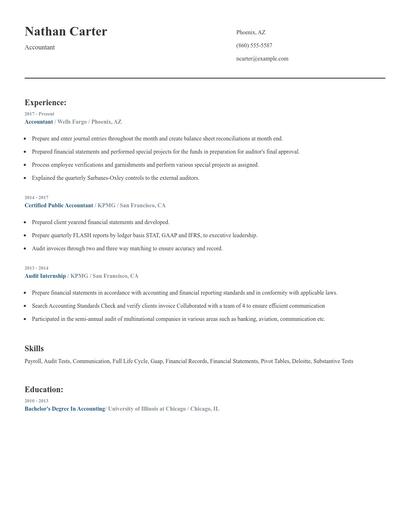
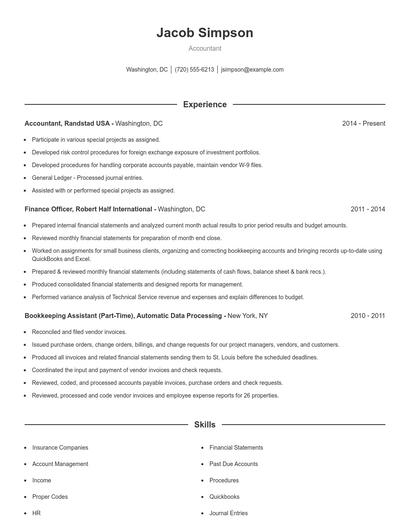
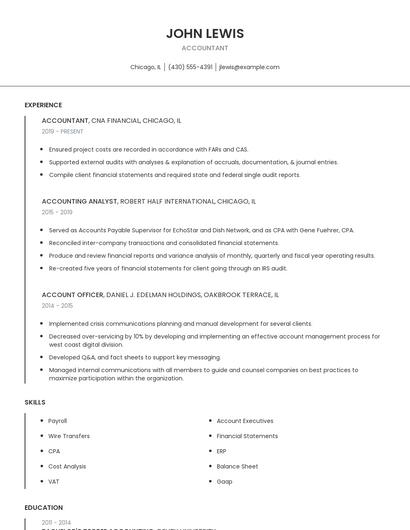
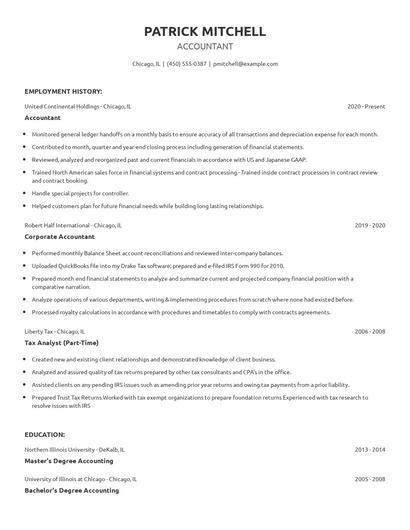
Choose from 10+ customizable resume templates
Zippia allows you to choose from different easy-to-use templates, and provides you with expert advice. Using the templates, you can rest assured that the structure and format of your resume is top notch. Choose a template with the colors, fonts & text sizes that are appropriate for your industry.