Explore jobs
Find specific jobs
Explore careers
Explore professions
Best companies
Explore companies
This question is about employer.
Why is right-to-work bad?
Right-to-work is bad because these laws prohibit agreements between employers and unions that require employees to join the union or pay union dues as a condition of employment. This in turn impacts the competitiveness of industries on a global scale as they are forced to compete against low-wage countries.
Right-to-work laws basically interfere with the ability of unions to collect dues from workers who enjoy union protections. This lowers union funding. Workers in right-to-work states, for instance, often choose not to pay union dues, leaving unions without valuable funds needed to support campaigns.
While supporters of right-to-work laws argue that they promote individual freedom and economic growth, opponents argue that they are bad for workers and the economy. Studies have shown that worker wages are 3.1% smaller in states with these laws, despite what trickle-downers promise.
Here are some of the reasons why right-to-work laws are often considered bad:
Lower wages. Studies have shown that workers in right-to-work states earn lower wages than workers in states without these laws. Weaker unions in right-to-work states mean workers have less bargaining power.
Fewer benefits. Workers in right-to-work states are also less likely to have access to benefits like health insurance, retirement plans, and paid leave. Unions play an important role in negotiating these benefits for workers.
Reduced workplace safety. Right-to-work laws have been linked to lower workplace safety standards and a higher rate of workplace injuries and fatalities.
Weakened unions. Right-to-work laws undermine the power of unions, leading to less collective bargaining, fewer workplace protections, and a decline in worker rights and standards.
Negative impact on the economy. Right-to-work laws can decrease wages and benefits, which can reduce consumer spending and weaken economic growth. Additionally, these laws may attract low-wage employers to states with weaker labor protections, which can lead to a race to the bottom in terms of wages and working conditions.
Increased inequality. Right-to-work laws disproportionately harm low-wage workers and workers in historically marginalized communities, exacerbating existing economic and social inequalities.
Overall, right-to-work laws are controversial and their impact on workers and the economy is debated. While supporters argue that they promote individual freedom and economic growth, opponents argue that they are bad for workers and the economy, and can lead to lower wages, fewer benefits, and weaker workplace protections.

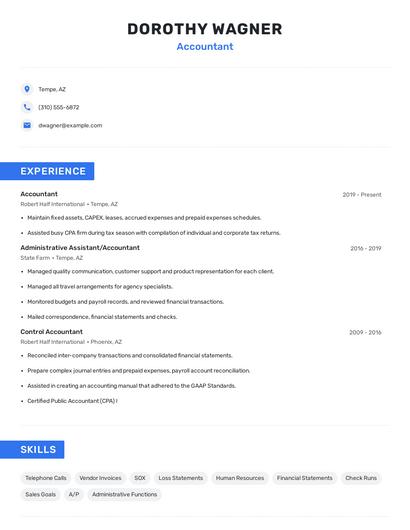
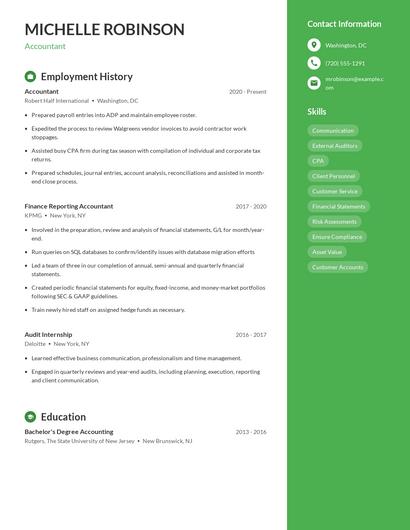
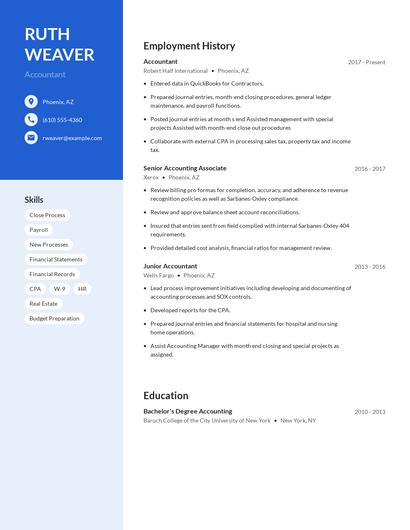
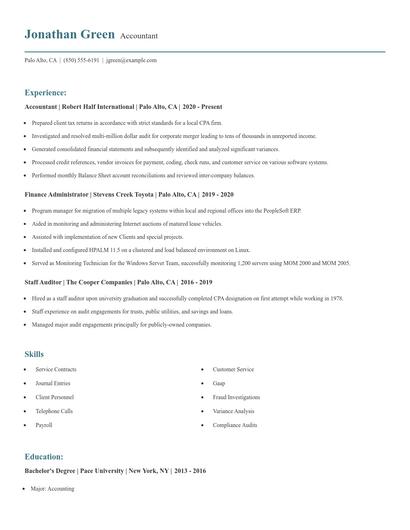
Choose from 10+ customizable resume templates
Zippia allows you to choose from different easy-to-use templates, and provides you with expert advice. Using the templates, you can rest assured that the structure and format of your resume is top notch. Choose a template with the colors, fonts & text sizes that are appropriate for your industry.