Explore jobs
Find specific jobs
Explore careers
Explore professions
Best companies
Explore companies
This question is about employer.
Why is talent management important?
Talent management is important because it can help a company recruit, retain and motivate its best employees, which can lead to increased productivity, better customer service, and higher employee and customer satisfaction. It also helps organizations align their human capital with their goals, which can result in greater efficiency and improved financial performance.
One famous example of talent management is the "War for Talent" approach developed by McKinsey Company. This approach involves actively recruiting, developing, and retaining talented employees in order to maximize their potential in the company.
Consistent with this, talent management is an important strategy that companies use to recruit, retain, develop, and deploy the best talent in order to reach their goals. It includes activities such as recruiting, hiring, onboarding, career development, compensation, training, performance management, and employee retention.
Key components of talent management:
Compensation. Let's start with a simple one. Aligning your organization's strategic goals with incentives like recognizing employees, rewarding their contribution, and acknowledging their value to the organization is one of the primary roles of an HR professional.
Career Development. This is concerned with training and developing employees from within the organization and preparing them for better, higher-paying roles. Nurture potential leaders by providing them with professional development tools that can advance their careers.
Learning and Motivating. Learning is and should be an essential component of any employee's life. And, it is the responsibility of HR to yield that knowledge and experience. Implement learning programs that include activities and tasks that not only advance the employee but also support the organization's culture and initiatives.
Performance Management. Performance management begins with assigning the right person to the right role. It is the ultimate goal to ensure that business objectives are met. It enables you to ensure that you are aligning a talented employee with a role that does justice to their knowledge and expertise.
Strategic Employee Planning. Developing a strategic plan to achieve organizational goals is the first step, but it is also imperative to reach your goals and implement the plans. This is where strategic employee planning comes in. It helps you identify key roles and personnel who can get you there. Online executive HR certification programs can help you gain an in-depth understanding of these concepts and leverage them in your organization.
Succession Planning. Planning is always important, no matter the job or role. In talent management, however, it is of utmost importance to know the talent within your organization. Knowing the key roles essential to its success, who currently fills those roles, and what happens when those positions become available? Having a succession plan can ensure that things at the organization will continue to run smoothly if a key position is filled quickly.
Talent Acquisition and Retention. Bringing in new talent and retaining existing ones is equally important. Learning when to hire from within the organization and when to hire externally is pivotal to talent management.

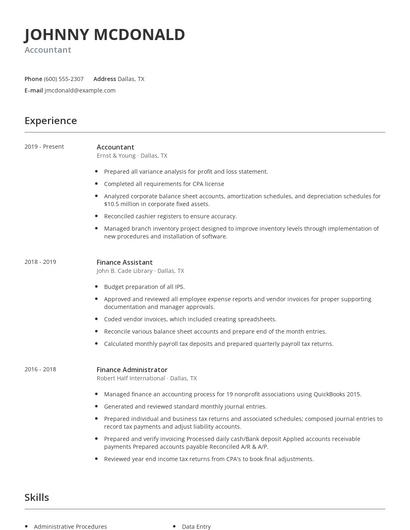
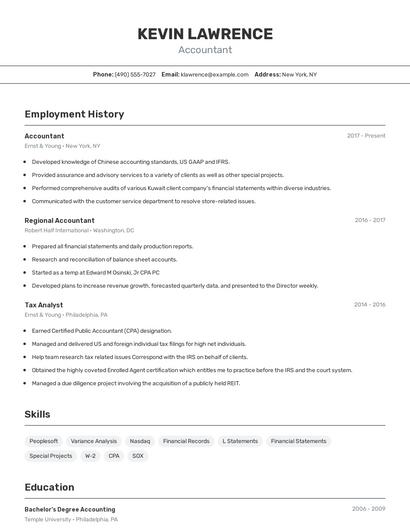
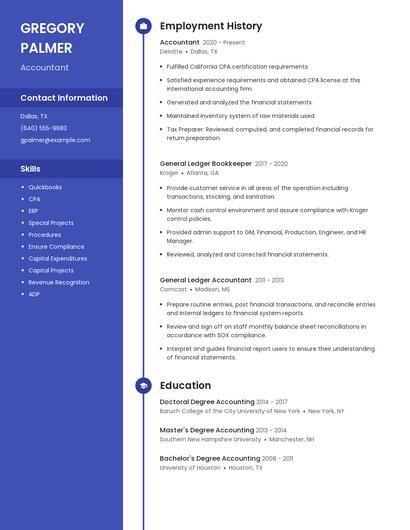
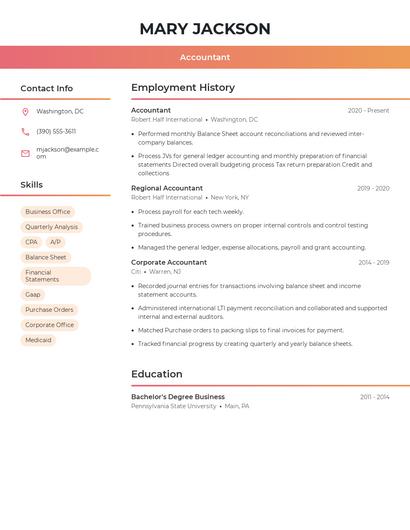
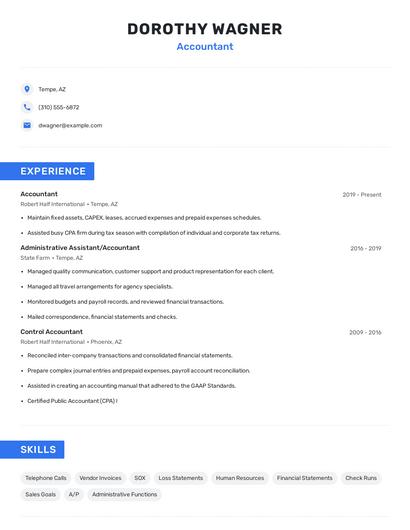
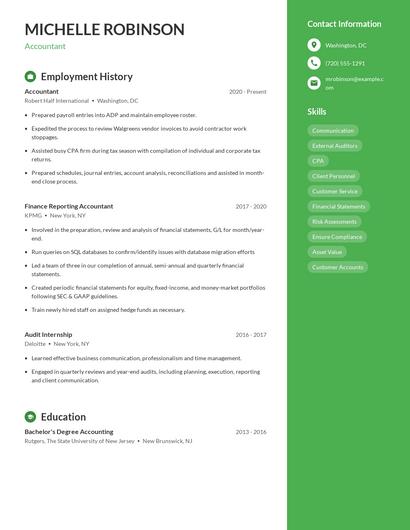
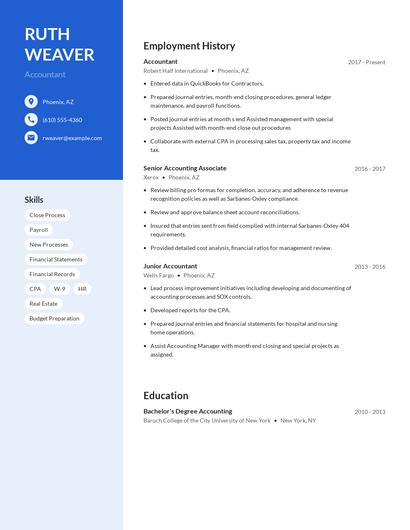
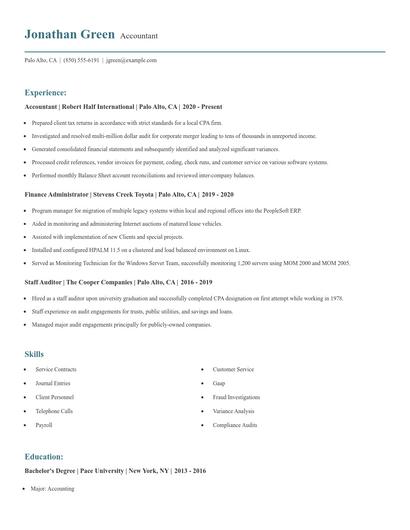
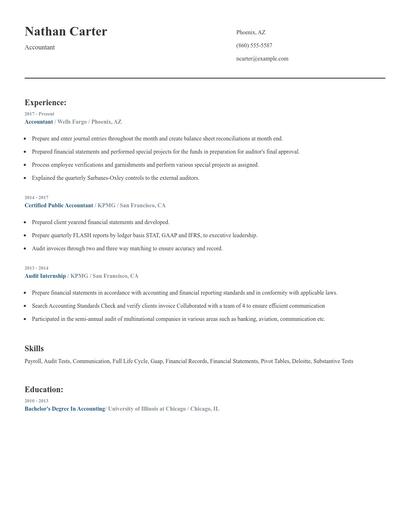
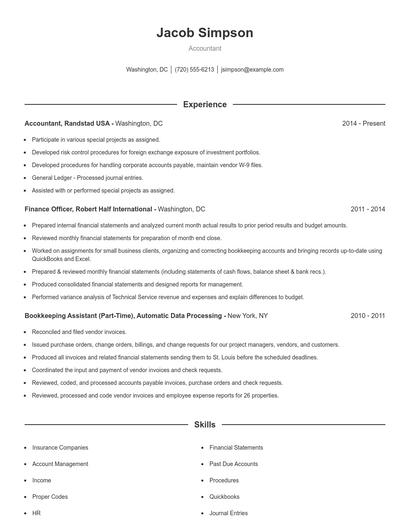
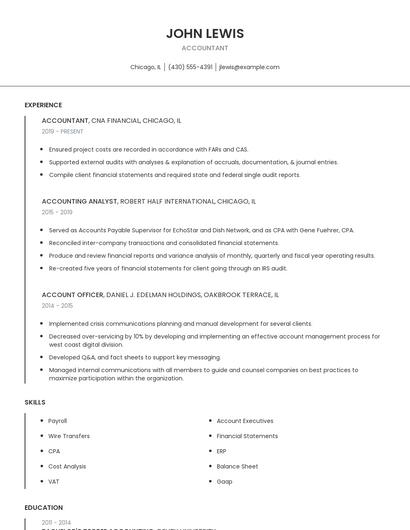
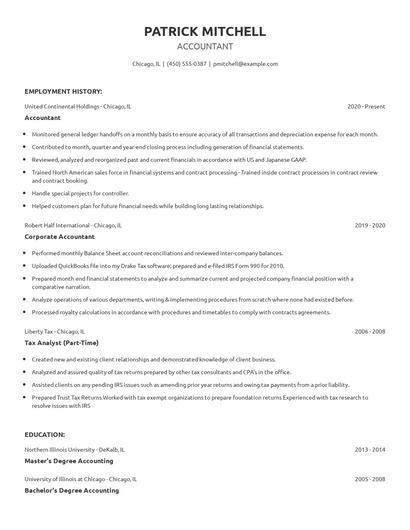
Choose from 10+ customizable resume templates
Zippia allows you to choose from different easy-to-use templates, and provides you with expert advice. Using the templates, you can rest assured that the structure and format of your resume is top notch. Choose a template with the colors, fonts & text sizes that are appropriate for your industry.