How Did Coronavirus Change Unemployment in Missouri?
The Federal Pandemic Unemployment Compensation program was initiated on March 29, 2020 and provides additional benefits:
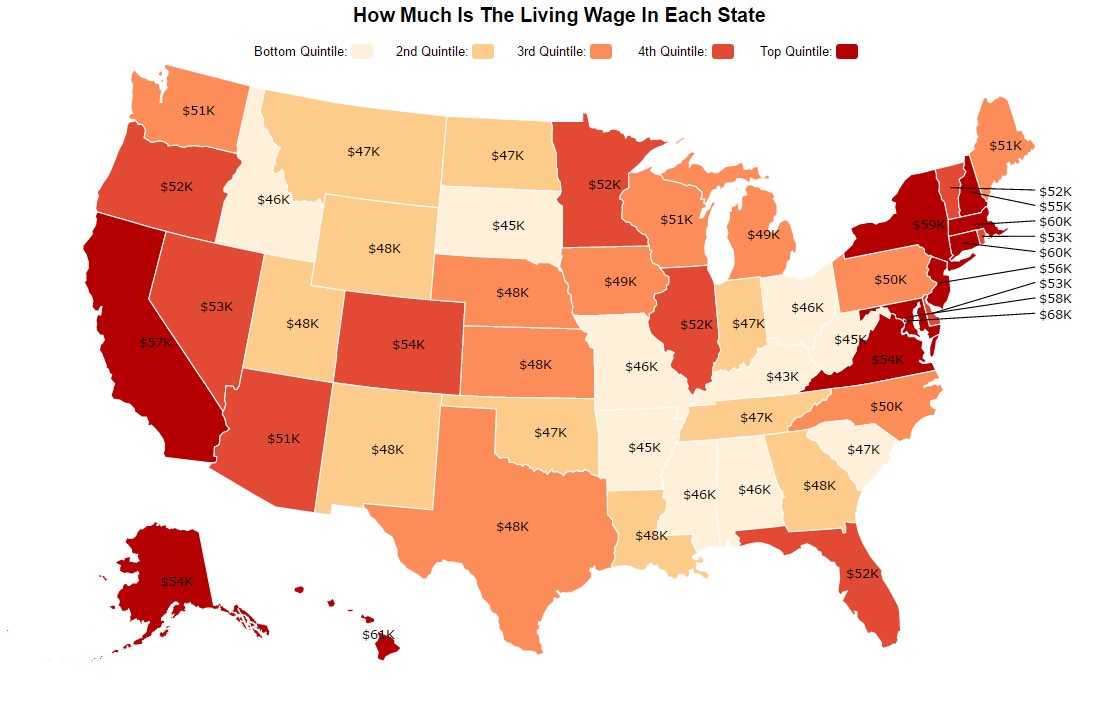
- The program provides an additional $600 per week through July 31, 2020. That means that if you make less than $47,840 a year, you'll be making more per week while the new program lasts.
- Instead of just 20 weeks of normal unemployment benefits, normal unemployment benefits have been extended to 33 weeks.
- If your employer has temporarily shut down operations or you've been temporarily laid off, you'll probably qualify for benefits.
- Plus, as long as your unemployment is backed by coronavirus reasoning, then weekly work search activities are not required.
Additionally, the normal waiting week period has been waived during these troubling times. So, you'll receive your first payment during the normal waiting week.
Under normal situations, the waiting week is the first week you're eligible to receive benefits. Normally, you would not be paid this week.
Why $600 a week?
When you add $600 to the national average unemployment payment — $371.88 a week at the end of 2019 — you replace what the average worker earns each week. In other words, the average worker now receives what they were previously making before unemployment. In Missouri, everyone earning under $48,000 a year actually earns more on unemployment until July 31st.
What Are Missouri's Unemployment Benefits?
So you're out of a job and looking for a bit of help. The weekly benefit amount you can collect through the state is 2% of your 2 highest quarters during the base period, up to $320. The total amount of unemployment you're eligible for is 1/3 of your base pay, or 20 weeks of unemployment, whichever comes first.
More on base periods in a minute.
Translation: You're eligible to receive about 1% of your current annual salary per week, up to $320 -- per the standard Missouri benefit -- for up to 20 weeks.
Base Period? What's That?
Following grade school rules, you'll note there are 4 quarters within a year. The base period is based loosely on this model. When you're applying for unemployment, figure out the last 5 quarters from the current month.
Jan 2019 through March 2019 counts as one quarter, and then so on and so forth until you have 5. Then you subtract the most recent quarter. In this case, the most recent quarter would be January 2020 through March 2020.
Once that quarter has been deducted, you're left with a base period of January through December 2019.
Translation: If you're applying in April, then your benefit will be, roughly, based on the amount you earned from January 2019 through December 2019.
How Long Can I Collect Unemployment?
The Missouri Department of Labor allows you to collect unemployment for 20 weeks unless you hit the yearly cap before then.
With the new Federal Pandemic Unemployment Compensation program in place, though, the unemployment has temporarily been extended with an additional 13 weeks. Most generally, the average state supports 22 weeks of unemployment benefits before the additional COVID-19 benefits were initiated.
Who Qualifies for Unemployment?
Figuring out if you qualify for unemployment benefits before you apply can save you lots of time. That's where this list of qualifications comes into play. You'll be eligible for unemployment benefits if you:
- Have lost your job for reasons that weren't your fault
- Quit for a valid reason that pertains to the work or your employer
- Earn at least $2,250 during the base period and the total base period wages are at least 1.5 times your highest quarter wages or earn 1.5 times the taxable wage base ($17,250) across 2 of the 4 quarters.
Translation: The first two points are fairly clear, but that third point is a mess of jargon. It roughly means you need to meet one of two earning criteria:
- Make above $2,250 spread evenly throughout the prior year
- Or earn at least $17,250 during a six month period
The taxable wage base won't necessarily apply to you, though. If you earn at least $2,250 during the base period and that total is at least 1.5 times your highest quarter wages, then you'll be eligible as well and won't have to worry about understanding the taxable wage base.
For example, let's say over the course of the base period you earned a salary of $36,500. We'll say your highest quarter came out to be roughly $12,200. You would figure that $12,200 times 1.5 is $18,300. Since the total amount of wages over the base period is over that number, you're in the clear to receive some benefits.
Now, what reasons are good enough to be considered for unemployment? Thanks to this pandemic, the reasoning is a little less strict. The Missouri Department of Labor has been understanding of the unique peculiar situation we're all in. That's why these additional reasons may qualify you for collecting unemployment:
- If an employee is in mandatory quarantine due to suspicion of having the coronavirus
- An asymptomatic individual chooses to self-quarantine with no telework options
- A person is ill because of the coronavirus
- An individual has left work to care for children due to school/daycare closures
How Do I File for Unemployment in Missouri?
You can file an unemployment claim online at any time using the Missouri Department of Labor's UInteract system. If you already have an account you'll just log in, otherwise, you'll need to create an account.
Generally, it takes about 10 minutes to file an unemployment claim. In order to do so, you'll need your:
- Social Security Number
- Total Earnings for the Week
- Name, Address and Dates of Previous Employment
- Banking Information
The total earnings for that week is the amount before taxes and deductions are taken out. And it includes PTO, sick days and holiday pay. In addition, you must include the information of employers that you've worked for in the past 18 months.
Once you have set up an account and logged in, you're a third of the way done. Now all you need to do is file your claim and weekly payment request. The site will present you with a prompt to follow so you don't get lost. Plus there are little question mark buttons along the way designed to explain certain aspects in more detail.
Most importantly, do not forget to file your weekly payment request each and every week. That includes the week you file the claim.
If you need additional support, you can contact the closest regional claims center. These centers include:
- Jefferson City, (573) 751-9040
- Kansas City, (816) 889-3101
- Springfield, (417) 895-6851
- St. Louis, (314) 340-4950
- Outside Local Calling Center, (800) 320-2519
How Do I Appeal if my Unemployment Claim is Denied?
Yes, your claim can be denied. After you have filed, your claim will go through what is called the protest period. During this period, your recent employer(s) may protest your claim. Employers are given this opportunity since the unemployment benefits come straight out of their pockets.
The good news is that if your employer does protest, you'll be given a chance to appeal. Even if during this time your claim is pending, protested or an issue is discovered, you should go ahead with filing weekly payment requests. In the case that your appeal is accepted, you will receive back pay for those requests.
If your claim has been denied, you'll receive a Notice of Deputy's Determination in the mail. After that, you have 30 days to file an appeal. The notice will provide you with an appeal-by date, as well as what filing methods are available.
In certain circumstances, you may have appeal hearings to attend. It is crucial that you attend all of them pertaining to your claim so you have a chance to testify. These hearings are held over the phone.
How Fast Will I Get Paid?
If this isn't the question of the hour. Really this is a guessing game. You could start receiving benefits 22 days after filing a claim or, if there's an issue that comes up, 4-6 weeks.
You'll have to remember to file a weekly request. Even if you haven't received a check yet, file that request. Your check will not come in on the same day each week. It's determined by when your request has been processed.
There are two ways you'll be able to receive unemployment benefits:
- Direct Deposit
- Missouri Access MasterCard
Obviously the fastest way to receive benefits, if you don't already have the MasterCard, is through direct deposit. If you choose to order the MasterCard, it will be mailed to you within 2 weeks.
Now What?
You need to file an unemployment claim the same day you're furloughed, laid off or have quit for necessary reasons. It's anybody's guess when that unemployment check could come through and even though it seems everything else has ceased operations, your bills and rent are still due.
Are There Requirements for Keeping the Checks Coming?
Under normal circumstances, Missouri's unemployment benefits require you to log 3 work search activities every week. But these times are anything but normal. For the time being, COVID-19 has put a stop to these weekly job searches.