Explore jobs
Find specific jobs
Explore careers
Explore professions
Best companies
Explore companies
This question is about employer.
Can an employer refuse to garnish wages?
No, an employer can not refuse to garnish wages. If an employer refuses to garnish wages, they will most likely be held in contempt of court, and the creditor seeking the garnished wages of the employed debtor may receive a default judgment against the employer.
The process of garnishing wages sees a creditor taking legal action for a debt owed by an employee, thus making the employee's employer garnish their wages, or skim money from their paychecks, to repay the employee's debt to the creditor.
After the garnish wages request is filed:
The judge signs the request making it a Writ of Garnishment
The Writ of Garnishment orders the employer to hold any property (in most cases, wages)
These are the wages of the employee that the employer has at the time the writ is filed
Interest also grows on most judgments that an employee owes a creditor and may add court fees and costs to the judgment. It's a good idea for employers to communicate with the creditor and the employee to ensure the right amount of money is paid to the creditor.
The employer must file an answer to the Writ within 30 days. In answer to the writ, the employer must stipulate the employee's pay rate and any existing wage garnishments.
If the employer does not respond to the Writ of Garnishment, the employer may be held in contempt of court, and the creditor may receive a default judgment against the employer.
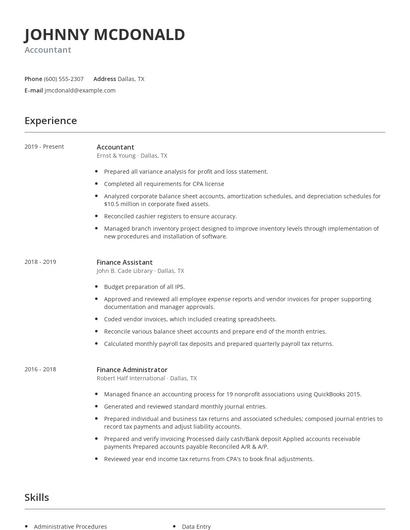
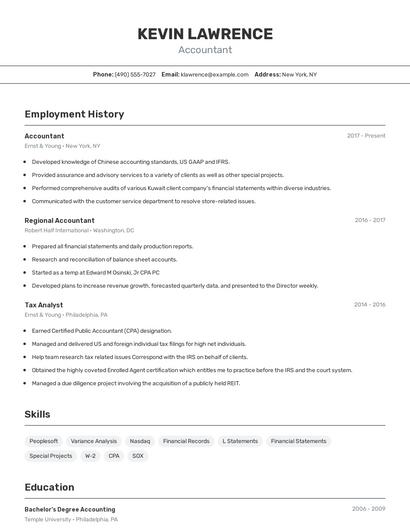
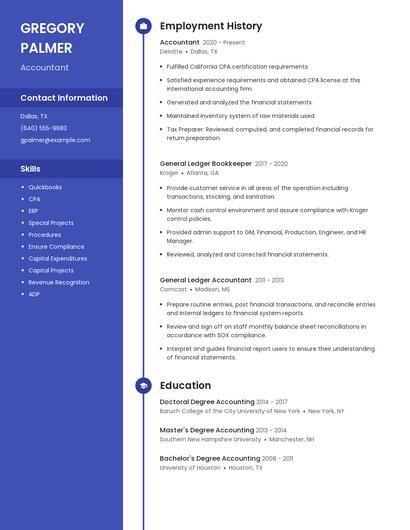
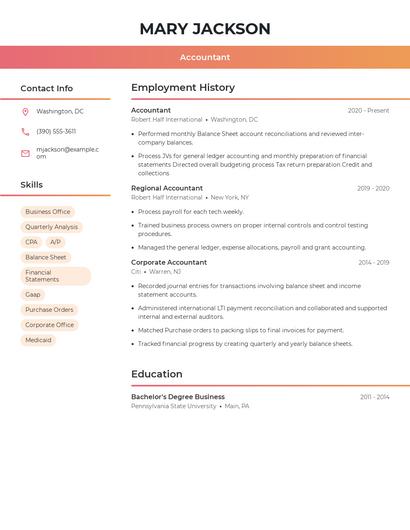
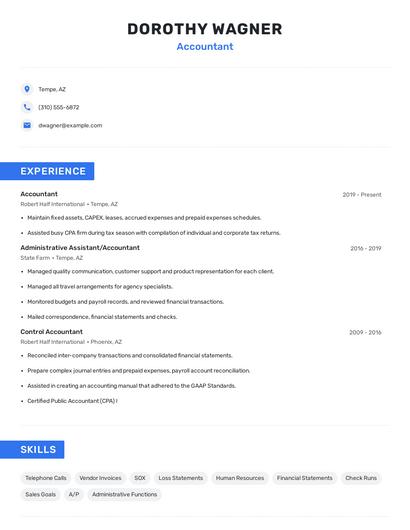
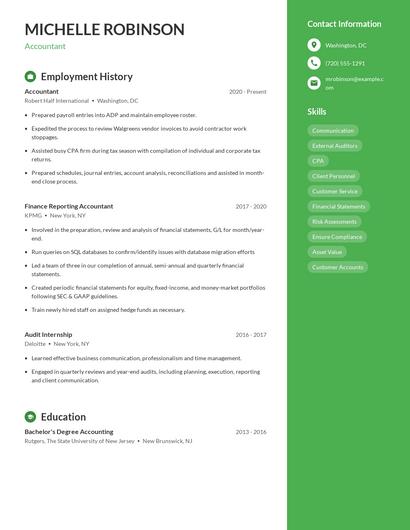
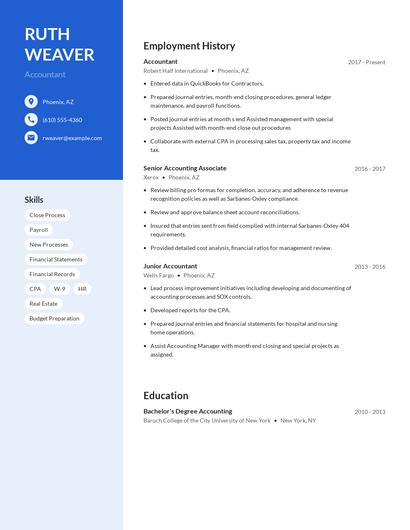
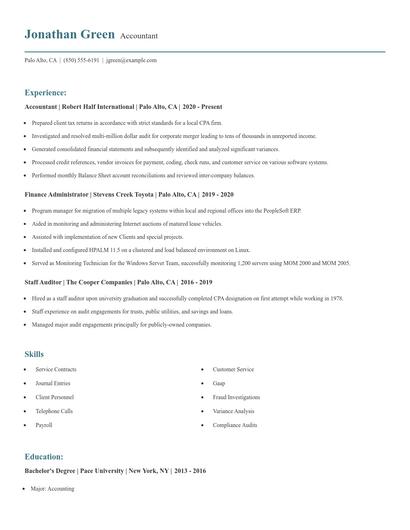
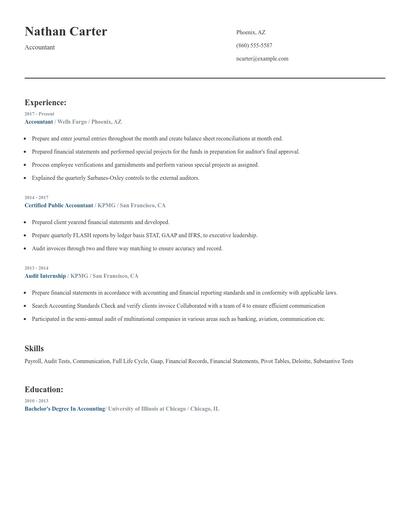
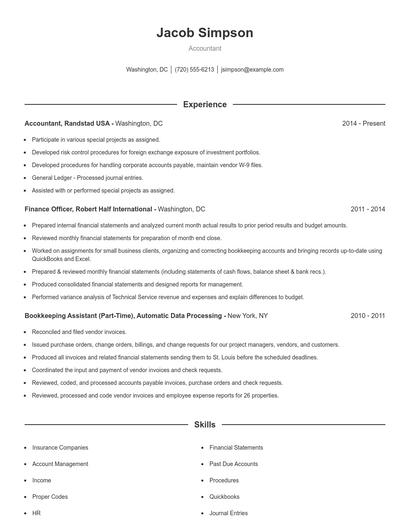
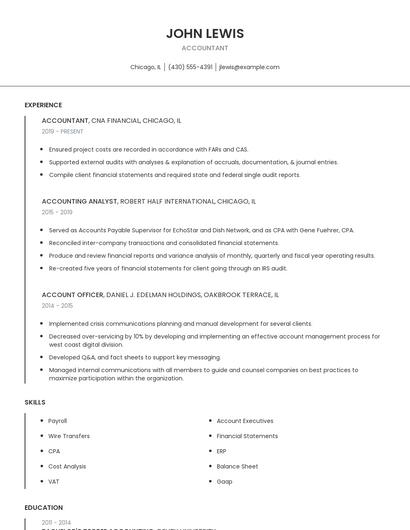
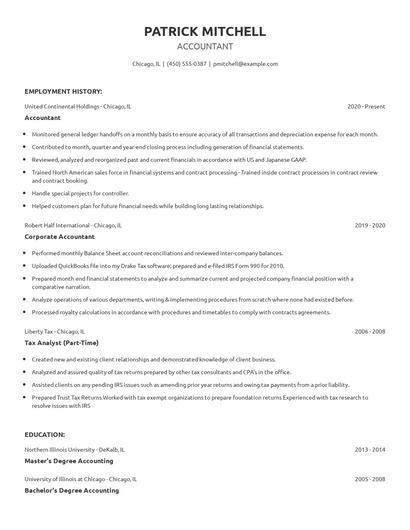
Choose from 10+ customizable resume templates
Zippia allows you to choose from different easy-to-use templates, and provides you with expert advice. Using the templates, you can rest assured that the structure and format of your resume is top notch. Choose a template with the colors, fonts & text sizes that are appropriate for your industry.