Explore jobs
Find specific jobs
Explore careers
Explore professions
Best companies
Explore companies
This question is about list of skills.
Cluster vs. stratified sampling
The difference between cluster vs. stratified sampling comes down to how you sample your test population and divide up your groups.
Cluster sampling is a method of sampling where the researcher divides the population into groups (clusters) and then randomly selects a certain number of clusters to sample from. It is usually used when it is difficult to get an accurate sample by randomly selecting individuals from a population.
For example, suppose a company that gives whale-watching tours wants to survey its customers. Out of ten tours they give one day, they randomly select four tours and ask every customer about their experience.
Stratified sampling is a method of sampling where the researcher divides the population into groups (strata) and then randomly selects a certain number of individuals from each stratum. It is often used to ensure that the sample is representative of the population. It is also used when it is important to get an accurate representation of a certain subgroup.
For example, suppose a high school principal wants to conduct a survey to collect the opinions of students. He first splits the students into four strata based on their grade - Freshman, Sophomore, Junior, and Senior - then selects a simple random sample of 50 students from each grade to be included in the survey.
When deciding whether to use cluster or stratified sampling, It is best to consider the specific needs and preferences of the person making the decision before making a judgment.
Key Takeaways:
| Cluster Sampling | Stratified Sampling |
|---|---|
| Definition: Cluster sampling refers to a sampling method wherein the members of the population are selected at random, from naturally occurring groups called 'clusters'. | Definition: Stratified sampling is one, in which the population is divided into homogeneous segments, and then the sample is randomly taken from the segments. |
| Sample: Randomly selected individuals are taken from all the strata. | Sample: All the individuals are taken from randomly selected clusters. |
| Selection of Population Elements: | Selection of Population Elements: |
| Homogeneity: Individually | Homogeneity: Collectivity |
| Heterogeneity: Within Group | Heterogeneity: Between Group |
| Bifurcation: Imposed by researcher | Bifurcation: Naturally occurring in groups |
| Objective: To increase precision and representation | Objective: To reduce cost and improve efficiency |

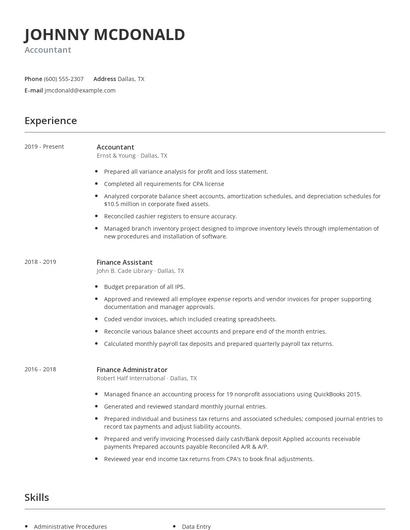
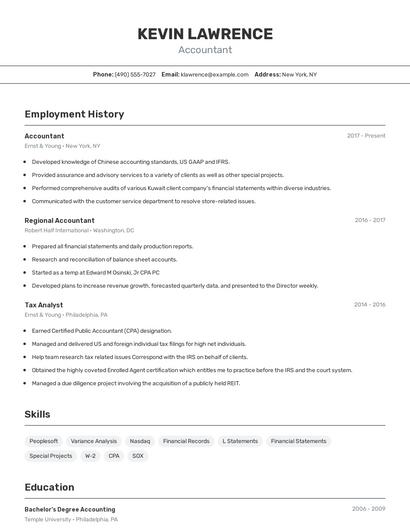
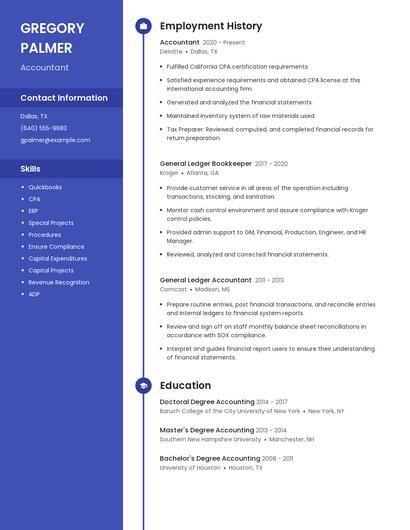
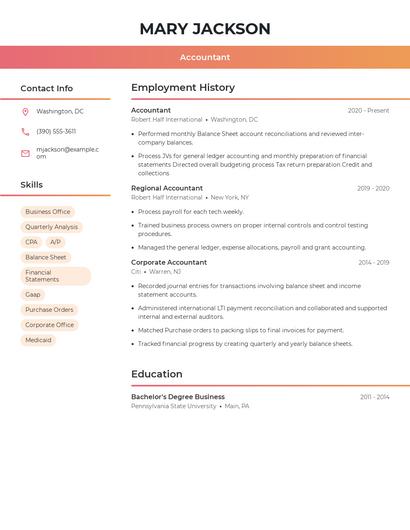
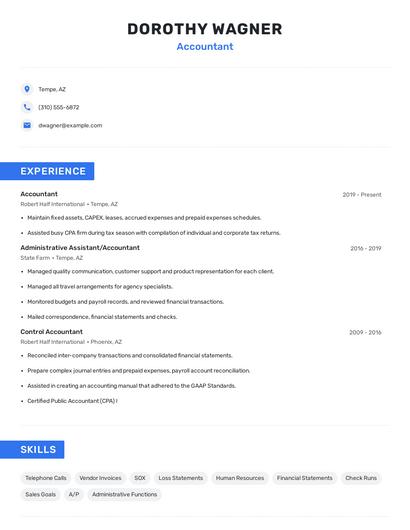
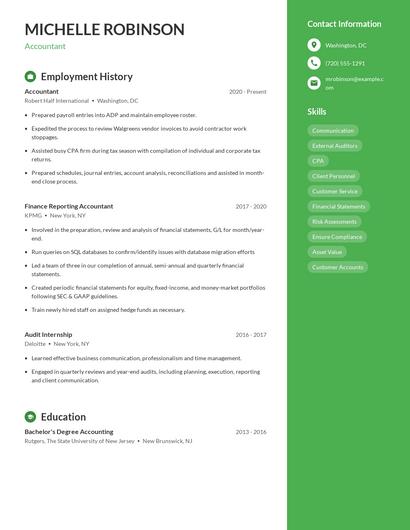
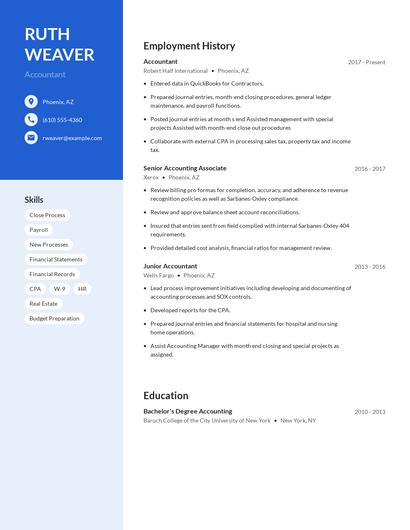
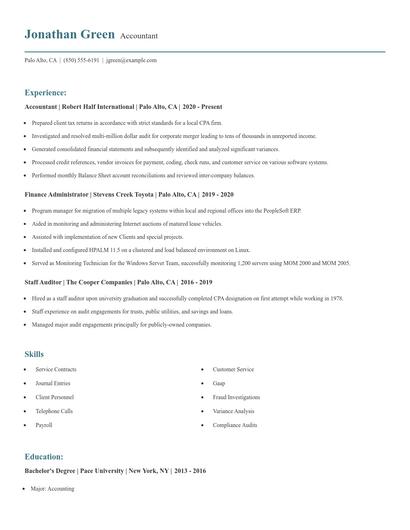
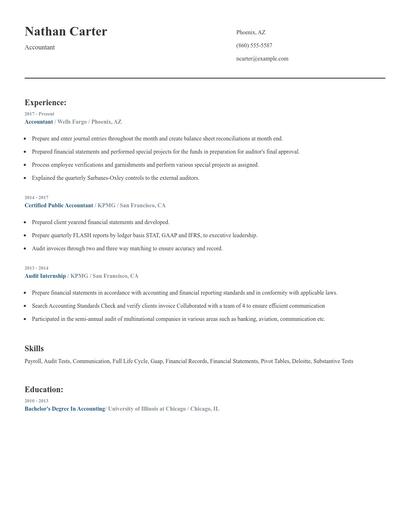
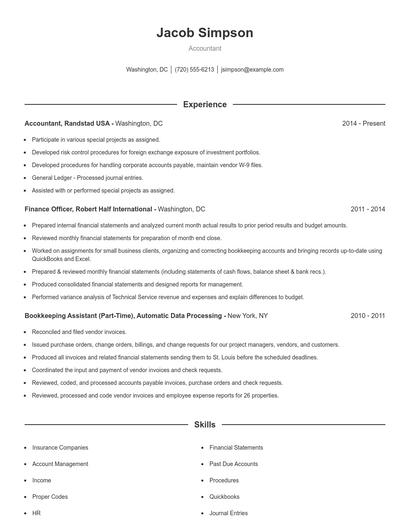
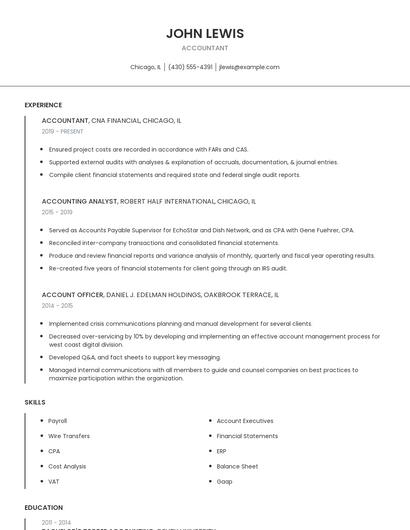
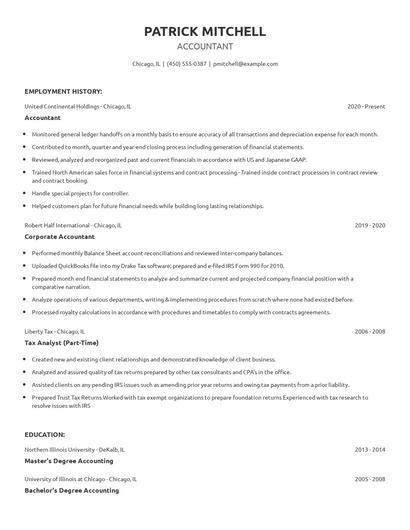
Choose from 10+ customizable resume templates
Zippia allows you to choose from different easy-to-use templates, and provides you with expert advice. Using the templates, you can rest assured that the structure and format of your resume is top notch. Choose a template with the colors, fonts & text sizes that are appropriate for your industry.