Explore jobs
Find specific jobs
Explore careers
Explore professions
Best companies
Explore companies
This question is about list of skills.
Hobby vs. business
The difference between hobby and business skills comes to whether the skills are non-work related, such as playing a musical instrument or painting, or whether the skill is related to enhancing your abilities on the job, such as problem-solving or leadership skills.
A hobby is any activity that a person pursues because they enjoy it and with no intention of making a profit. People operate a business intending to make a profit. Many people engage in hobby activities that turn into a source of income.
Hobbies can be directly associated with your profession, but not necessarily. For example, an aerospace engineer may have a hobby of building and flying model planes.
At the same time, that engineer may also have a crossword puzzle hobby. Hobbies are activities or interests you enjoy in your free time that do not necessarily relate to your professional career. Examples include playing an instrument, drawing, and cooking.
Business skills, on the other hand, are the skills that are needed to be successful in the workplace. Examples include communication, problem-solving, decision-making, and leadership.
Key Takeaways:
| Hobby | Business |
|---|---|
| Practical skills used for leisure activities | Practical skills used for business or professional activities |
| Can be self-taught or learned from others | Generally require formal training and experience |
| Often involve individual tasks | Often involve coordinating with others |
| Often limited to specific areas of interest | Often require a range of different skills |
| Can be used to make money, but not usually the main goal | Main goal is to be profitable |
| Often done for enjoyment or personal satisfaction | Done for the purpose of generating revenue |
| Not necessarily transferable to a business setting | Generally transferable to a business setting |
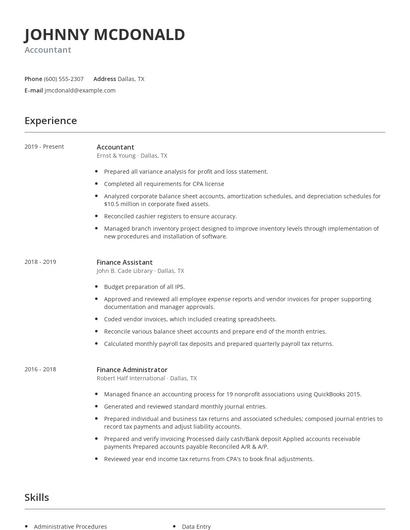
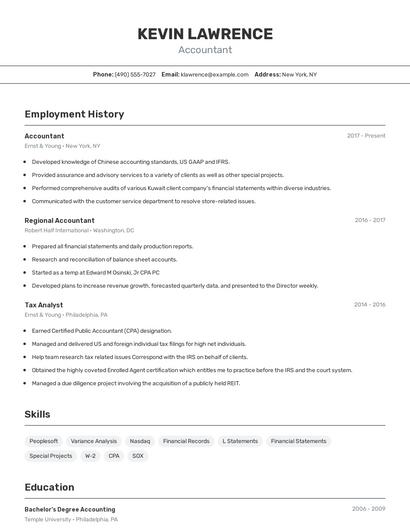
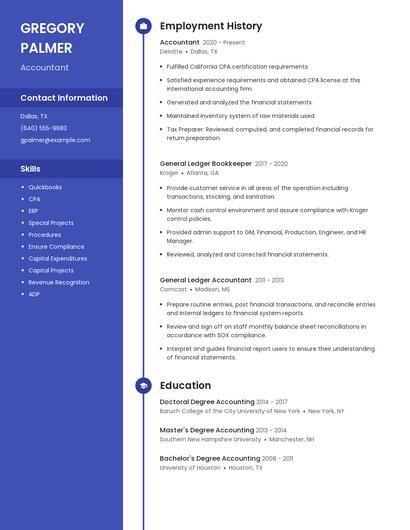
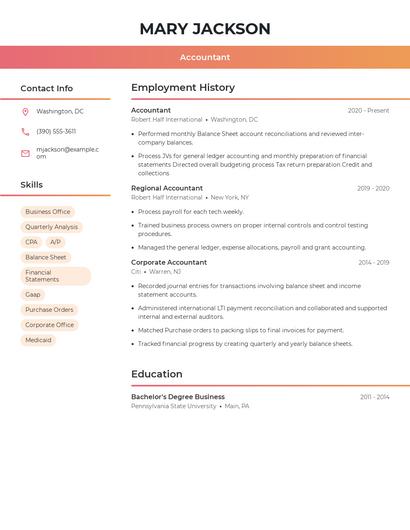
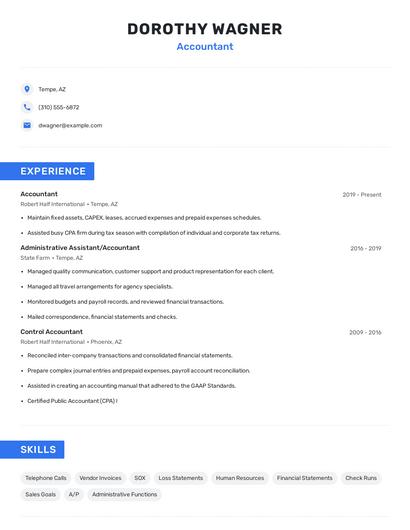
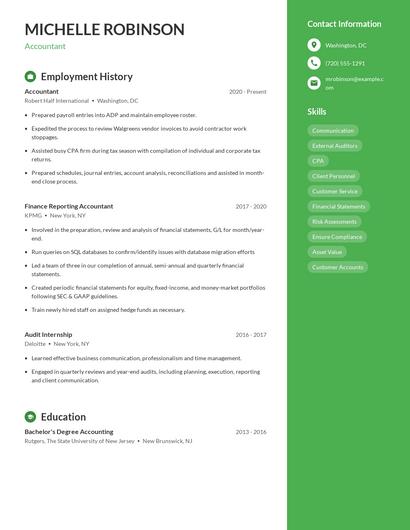
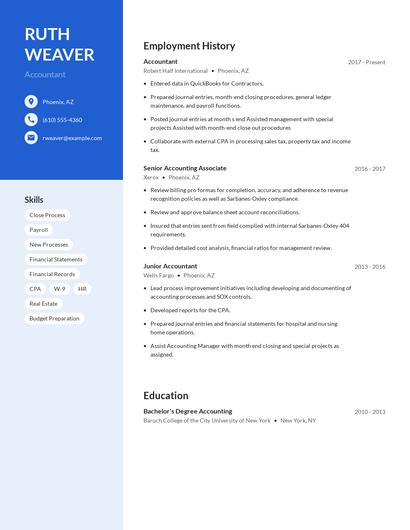
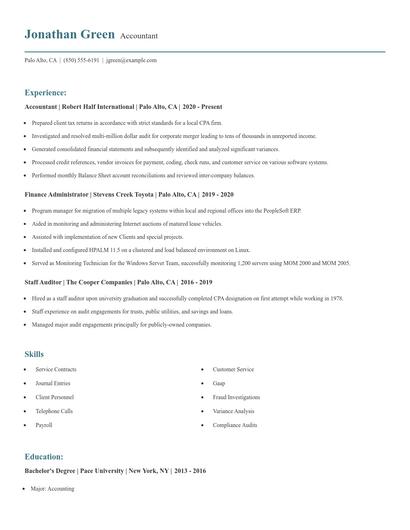
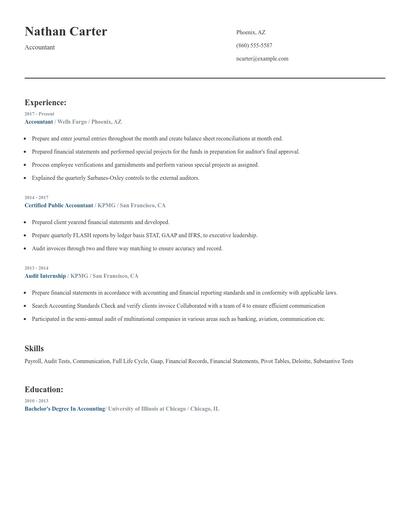
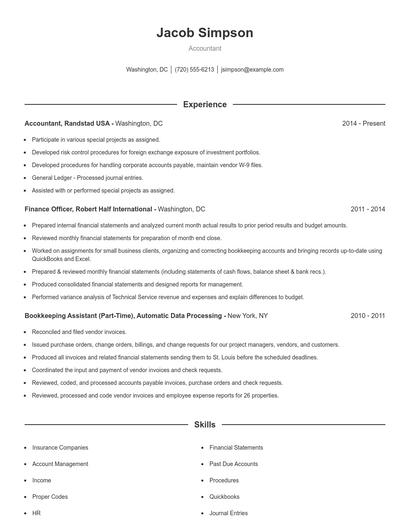
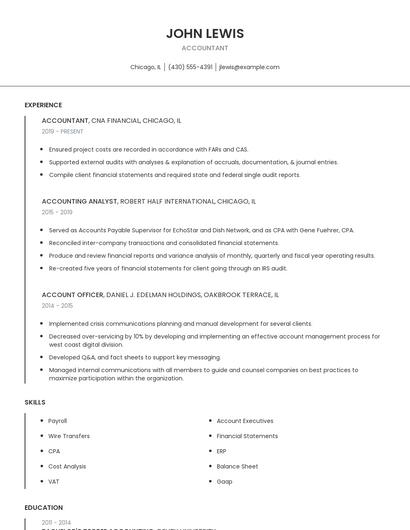
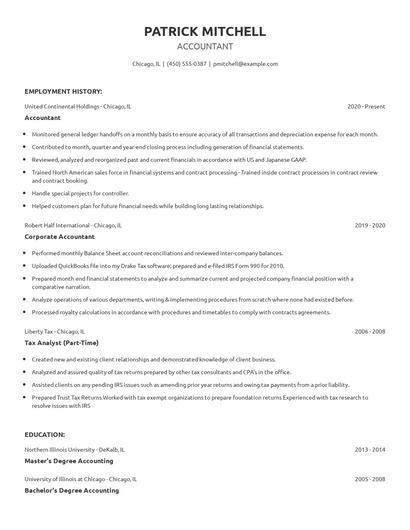
Choose from 10+ customizable resume templates
Zippia allows you to choose from different easy-to-use templates, and provides you with expert advice. Using the templates, you can rest assured that the structure and format of your resume is top notch. Choose a template with the colors, fonts & text sizes that are appropriate for your industry.