Explore jobs
Find specific jobs
Explore careers
Explore professions
Best companies
Explore companies
This question is about journalist.
How do I start a career in journalism?
To start a career in journalism, there are two main paths that you can take. The traditional path is to earn a four-year bachelor's degree, gain experience through internships, and land an entry-level position.
The less traditional path is to build your writing experience and work portfolio through freelance work. However, you will most likely need a college degree to work at any major news or media outlet.
In fact, 82% of journalists have a bachelor's degree in journalism, history, English, government, public affairs, or a similar major. While in school, it's important to develop your skills as a writer and reporter and establish connections with reporters and editors.
A great way to do this is through internships with a newspaper, magazine, or media company. This is an excellent way to build your work portfolio and help you to land an entry-level position after you graduate.
While many newspapers and larger media outlets may require a journalism degree, there are no industry standards regarding educational requirements or certifications needed to be a reporter.
The skills of a good reporter are primarily acquired through hands-on reporting experience. The good news is that it's never been a better time to start a career with no degree as a freelance journalist in our digitally sophisticated world.
You will want to develop your journalism skill sets through writing and reporting opportunities to accomplish this. You do not need to have a paid reporting gig to start building your work portfolio as a reporter.
Social media sites, for example, provide a great opportunity to be able to post your stories and gauge user feedback. You can also start a blog and post your reports on WordPress.
The point is to build your work portfolio, making it easier to gain the experience to land an entry-level position or continue a career as a freelance journalist.

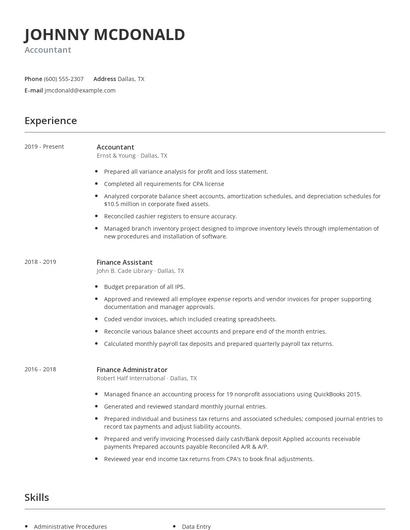
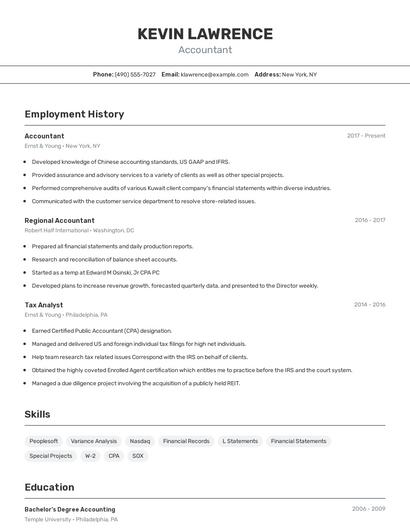
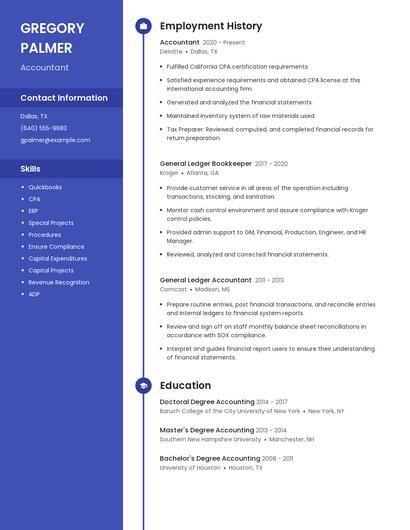
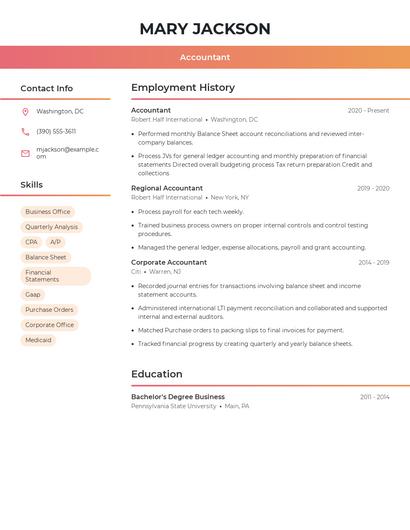
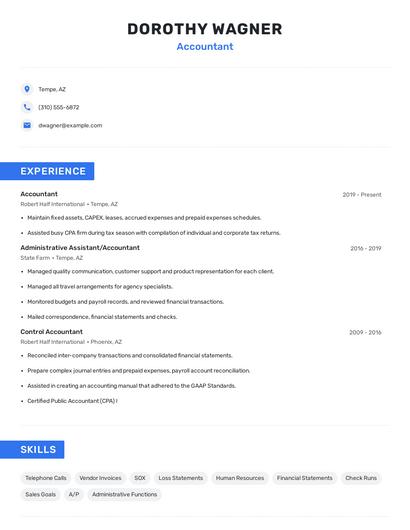
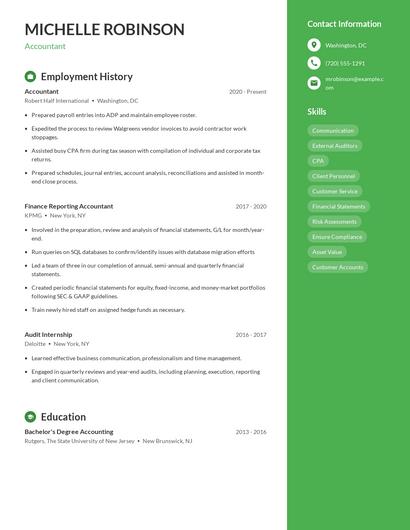
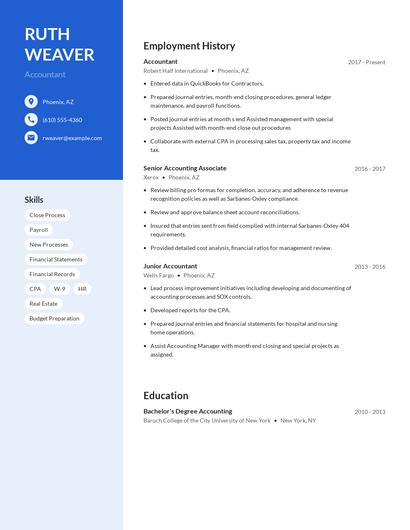
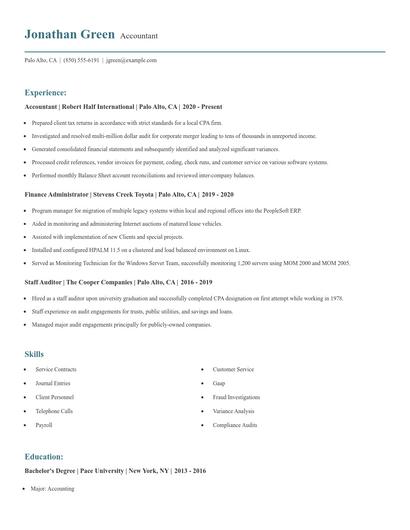
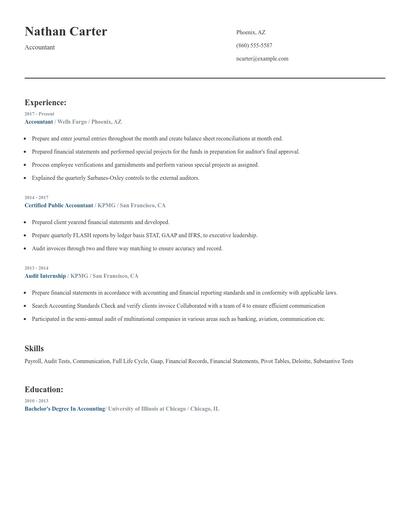
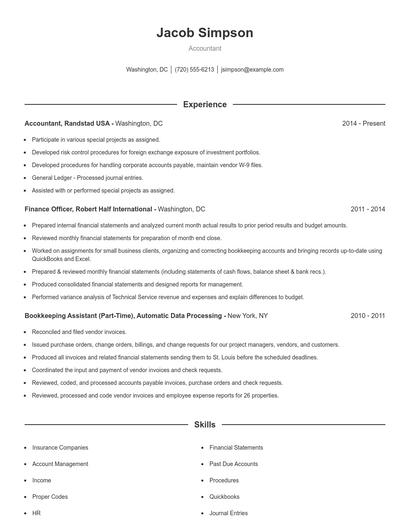
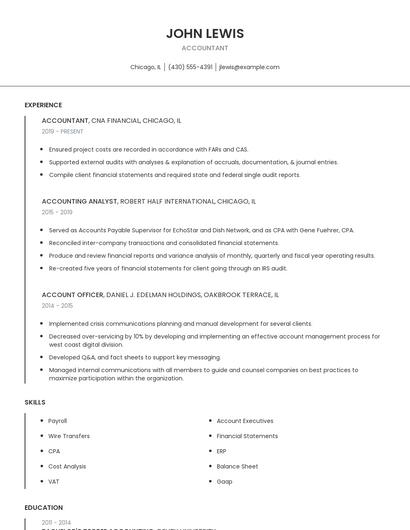
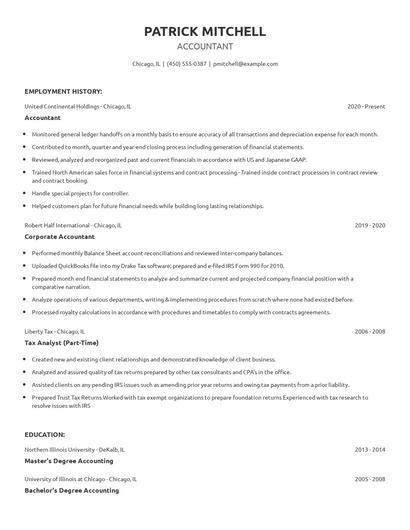
Choose from 10+ customizable resume templates
Zippia allows you to choose from different easy-to-use templates, and provides you with expert advice. Using the templates, you can rest assured that the structure and format of your resume is top notch. Choose a template with the colors, fonts & text sizes that are appropriate for your industry.