Explore jobs
Find specific jobs
Explore careers
Explore professions
Best companies
Explore companies
This question is about finance analyst.
How do I start my financial career?
To start a financial career, you should earn a college degree, complete an internship, gain an entry-level position, and get certified or possess an advanced degree.
If analyzing data trends and the performance of stocks and bonds to help businesses or individuals make investment decisions sounds exciting, then a career as a financial analyst may be for you. There are a few different directions you can take in a financial analyst career, including a buy-side analyst or a sell-side analyst.
Buy-side analysts work for hedge funds or insurance companies to help businesses with their investment strategies.
Sell-side analysts advise financial service sales agents who sell stocks, bonds, and other investments.
Regardless of which route you want to take, here are the four big steps we recommend you take to successfully become a financial analyst.
Earn a college degree.
Most practicing financial analysts pursued a finance-related major like accounting, statistics, or economics; however, that is not necessarily a prerequisite. Other math-heavy fields like engineering and physics are not uncommon backgrounds among financial analysts.
It is recommended that you take courses in business, economics, accounting, and math in your undergraduate program, as they will be necessary for this career.
Complete an internship.
While this is not mandatory, it is strongly encouraged that you pursue a financial analyst internship. Internships provide a great opportunity to network with existing financial analysts and potentially find a mentor.
An internship will also help you build your resume and provide experiences you can draw on for job interviews. Most employers prefer to hire people with experience, even for entry-level jobs. An internship also allows you to demonstrate your active interest in becoming a financial analyst and build experience.
Find an entry-level position.
Once you graduate with a bachelor's degree in a relevant field, you can pursue job openings for titles like a junior financial analyst or entry-level financial analyst. Positions like these are often under the guidance of a senior analyst who will help show you the ropes of the industry.
In these roles, you will encounter tasks like analyzing income statements, maintaining files, processing financial statements for clients, and analyzing plans and forecasts. While junior analysts could potentially advance, progression often requires either a certification or a master's degree eventually.
Get Certified and/or an Advanced Degree.
If you want to stay in the financial analyst field, many employers will require you to get the CFA charter for senior-level positions. The charter program requires you to pass three rigorous exams (CFA Level I is offered every six months, Levels II and III are offered annually).
It is recommended that you study at least 300 hours for each of the exams. In addition to passing the exams, you will also need 4,000 hours of relevant experience for earning the charter.
Depending on your role, some employers may also require you to get licensing from the Financial Industry Regulatory Authority (FINRA). This type of licensure generally requires sponsorship from your firm, so it might be best to start a job first and find out what they require.

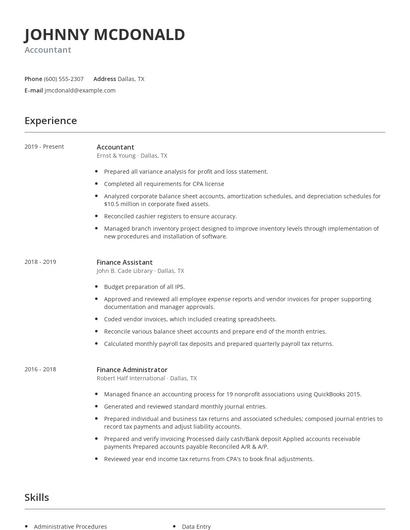
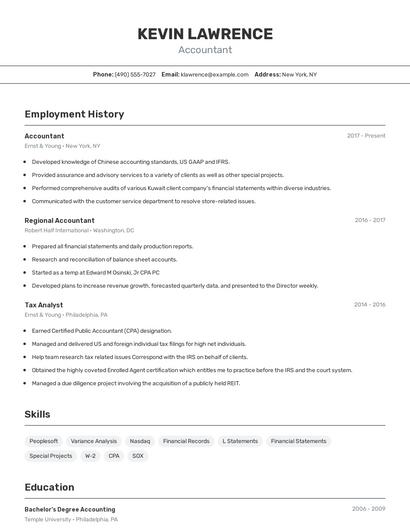
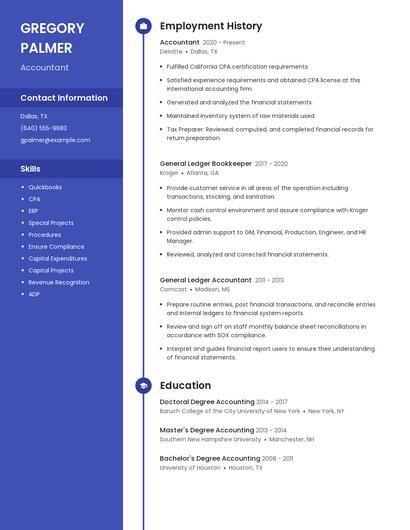
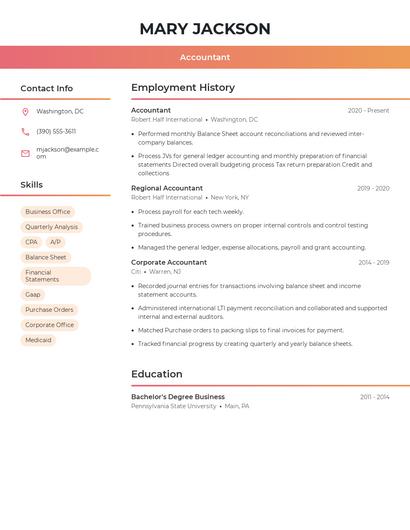
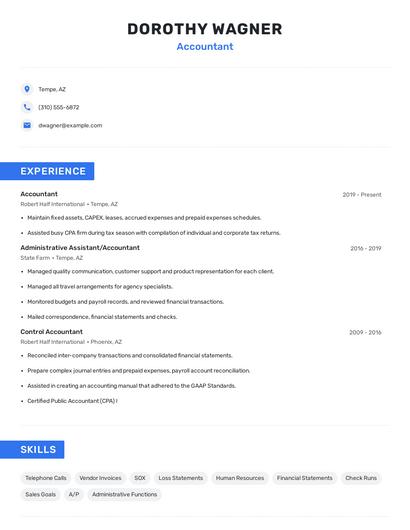
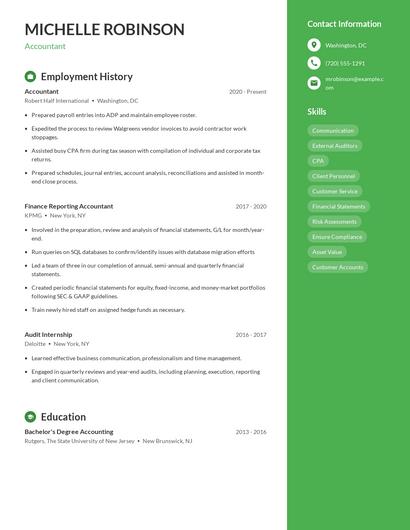
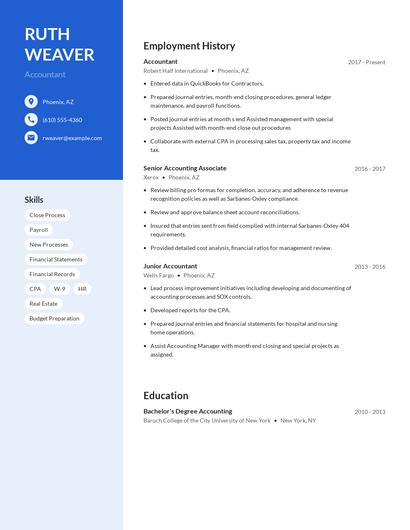
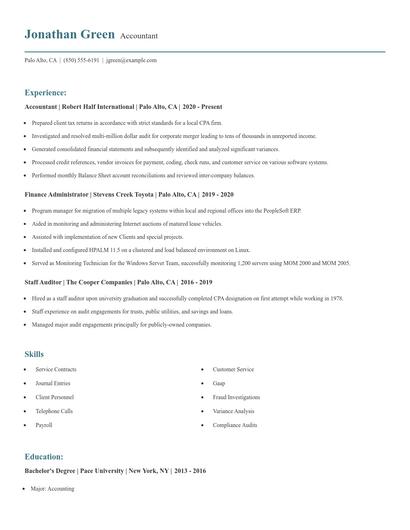
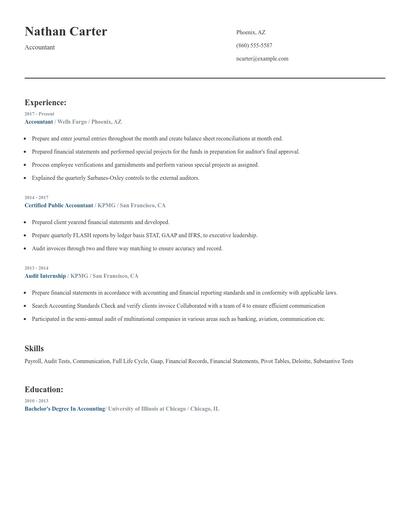
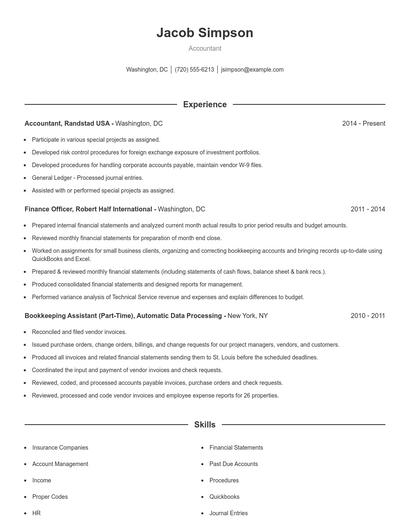
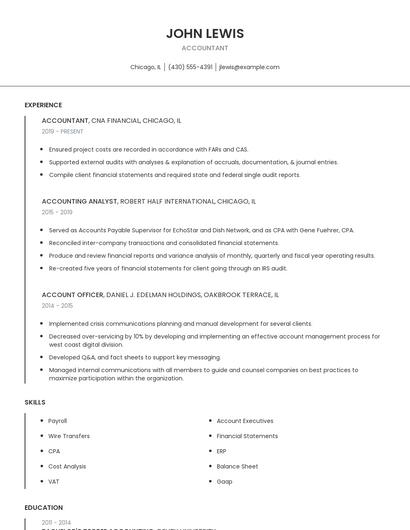
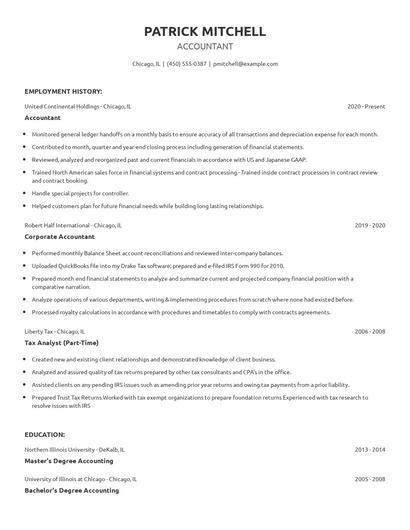
Choose from 10+ customizable resume templates
Zippia allows you to choose from different easy-to-use templates, and provides you with expert advice. Using the templates, you can rest assured that the structure and format of your resume is top notch. Choose a template with the colors, fonts & text sizes that are appropriate for your industry.