Explore jobs
Find specific jobs
Explore careers
Explore professions
Best companies
Explore companies
This question is about professional poker player.
How do you become a professional poker player?
To become a professional poker player, you need to research and study all aspects of poker, prove yourself in tournaments, and put away some winnings to be untouched. Here are some details on each of these steps to become a professional poker player:
Research and study all aspects of poker
This is an absolutely crucial step. No matter your experience level, there is always plenty more to learn about poker in terms of strategies, statistics, and trends.
Utilize online resources like poker forums, and dig into as many books on the game as you can.
Even if you become a professional you should never stop learning, because if you stop learning, you can get left behind in the game of poker.
Prove yourself in tournaments
Before hopping into the big leagues, start with some online tournaments and amateur tournaments at your local casinos.
This is your chance to prove you have what it takes to be a professional poker player. You should enter these kinds of tournaments for at least a year, and sometimes longer, depending on your experience and skill level.
The more experience you can gain in playing against a wide variety of players the better.
Put away some winnings to be untouched
This goes for your journey to become a professional poker player and once you have achieved that goal.
It is important to be smart with your finances when trying to become a professional poker player. Poker, and gambling in general, is an impulsive activity. You need to make sure you know when to stop when you are down and cut your losses.
You should also stash away some funds to be untouched for poker activities because even the best poker players experience losing streaks.

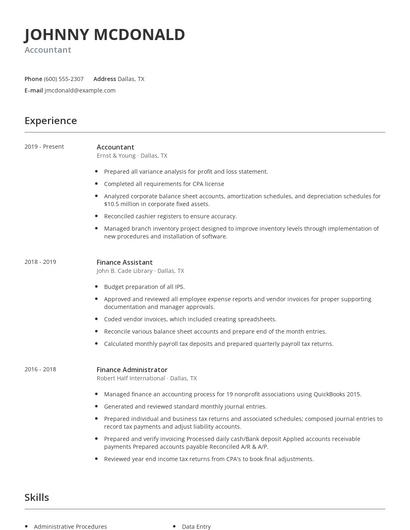
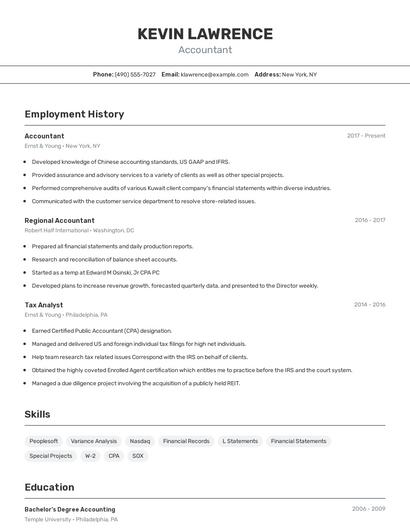
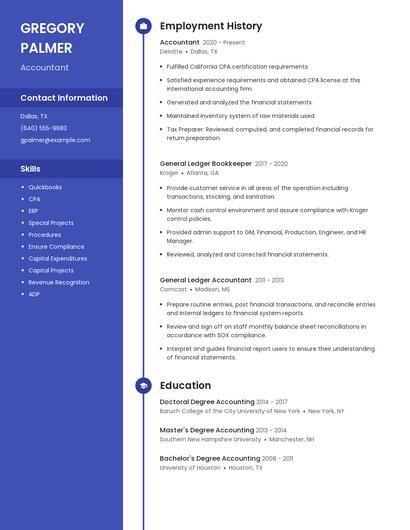
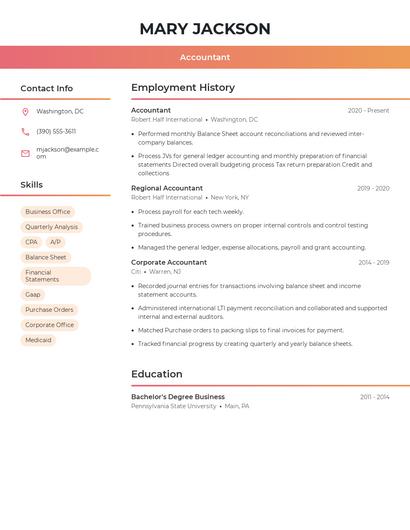
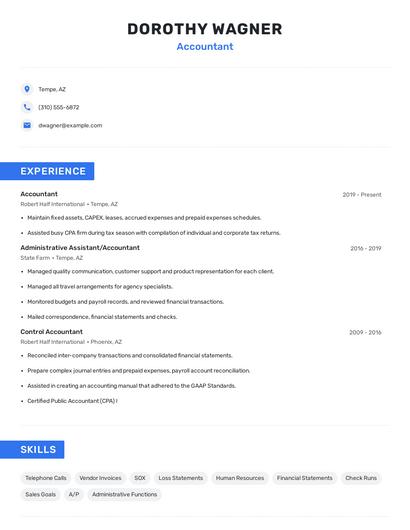
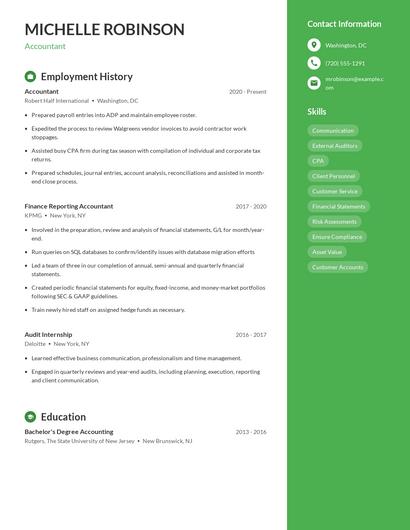
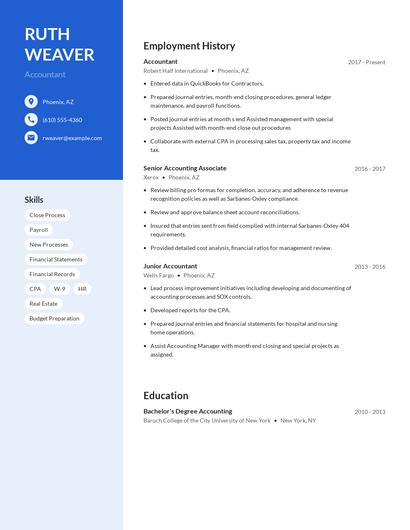
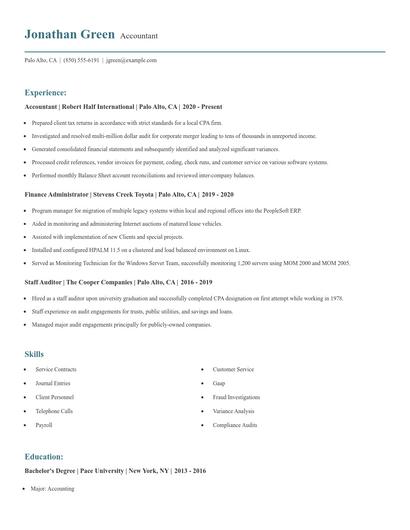
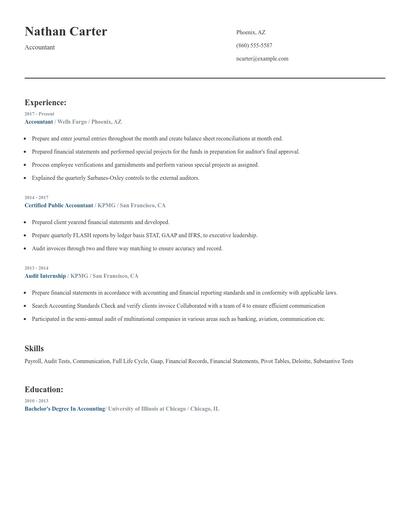
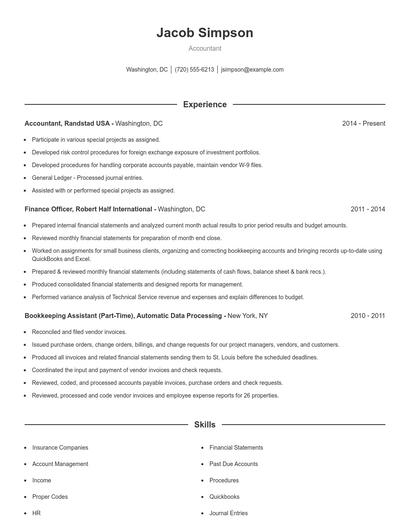
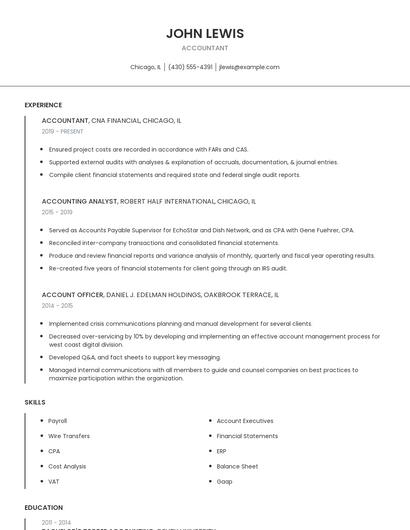
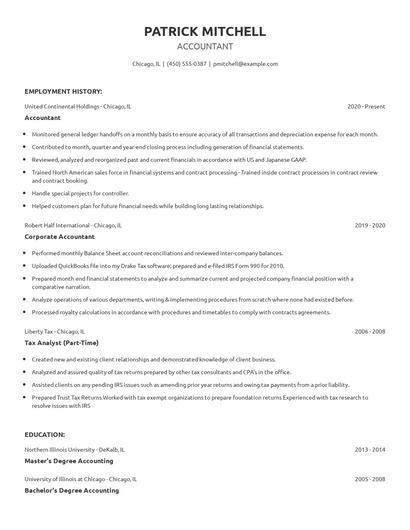
Choose from 10+ customizable resume templates
Zippia allows you to choose from different easy-to-use templates, and provides you with expert advice. Using the templates, you can rest assured that the structure and format of your resume is top notch. Choose a template with the colors, fonts & text sizes that are appropriate for your industry.