Explore jobs
Find specific jobs
Explore careers
Explore professions
Best companies
Explore companies
This question is about employer.
How do you calculate overtime?
You calculate overtime by taking the number of overtime hours worked and multiplying it by whatever your rate is for overtime. Typically, overtime is any hours worked after 40 hours in a 7-day period. Overtime is additional pay for additional hours worked, and this rate varies from state to state and business by business.
For some states, workers are paid at a rate of 1.5 times their hourly rate. There are cases where overtime workers receive double pay for the hours they work over that 40-hour limit. To calculate overtime, you would take your rate and multiply it by the additional hours worked.
For example, if someone works at a rate of $20 an hour and they get "time and a half" or 1.5 times their hourly rate for overtime, that would be $30 per hour worked overtime. If they work 5 hours overtime, they would get 5 x $30, which is $150 in additional overtime pay.
Overtime is extra pay for workers who are not salaried. If you work at a salaried job, you do not typically receive overtime. You may be expected to sometimes work more than 40 hours, and that does not mean you have an increase in your salary.

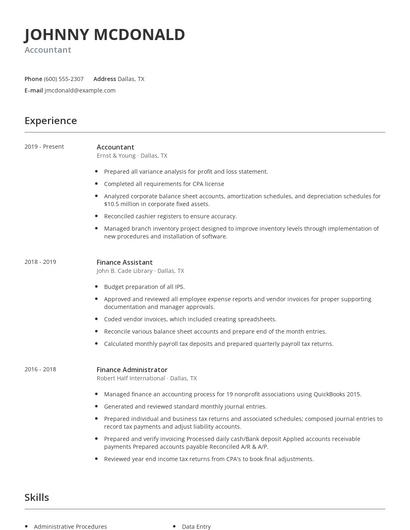
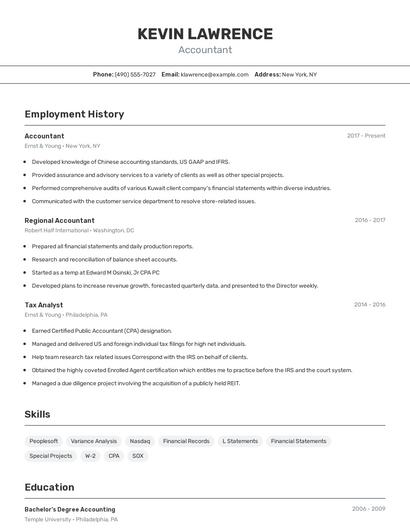
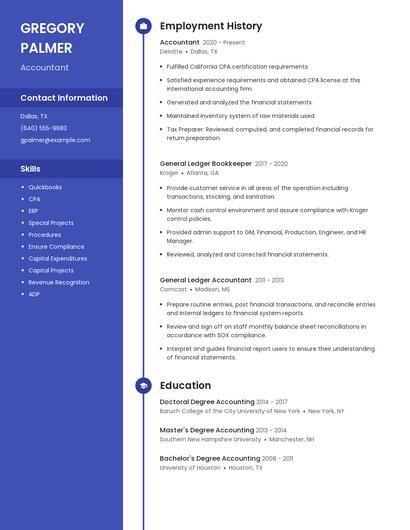
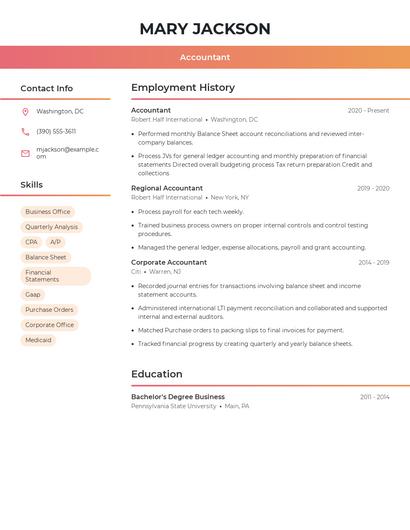
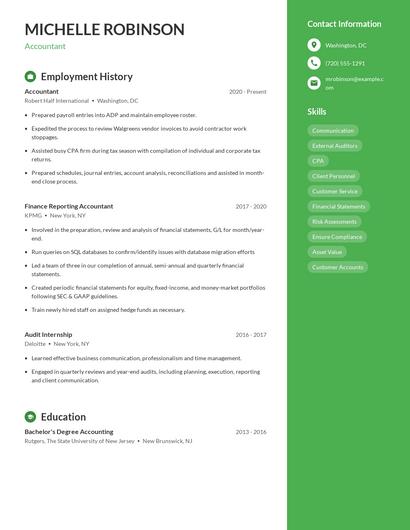
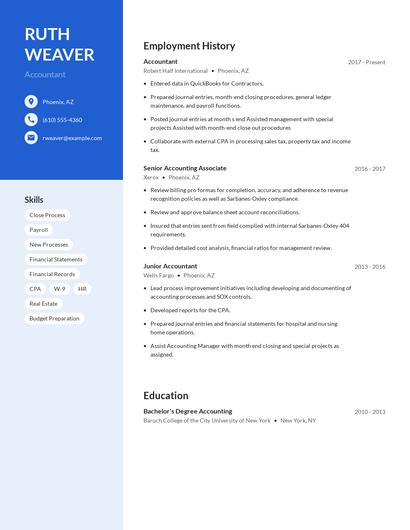
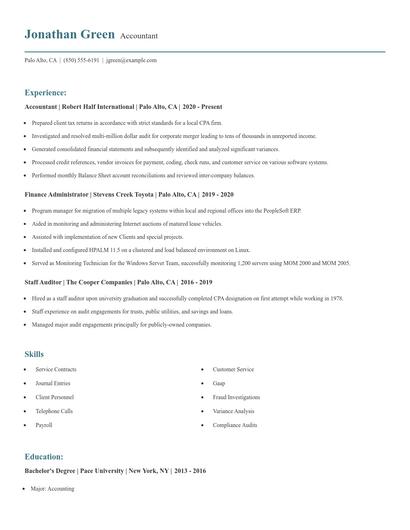
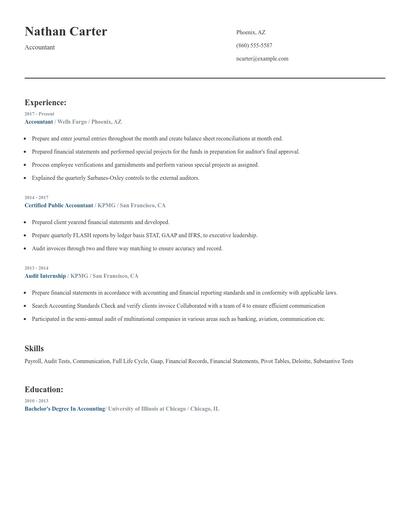
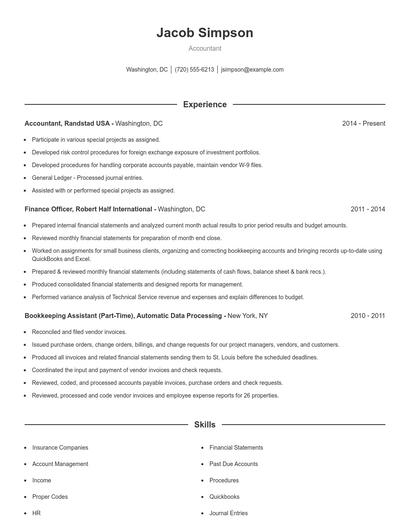
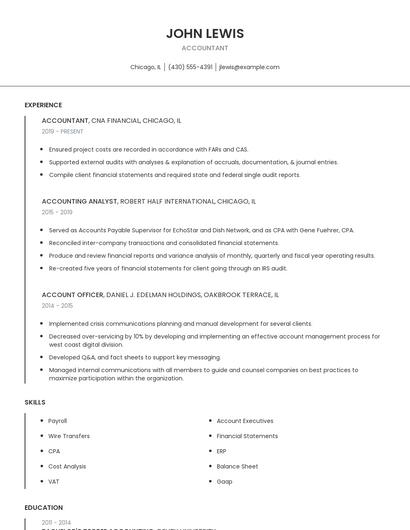
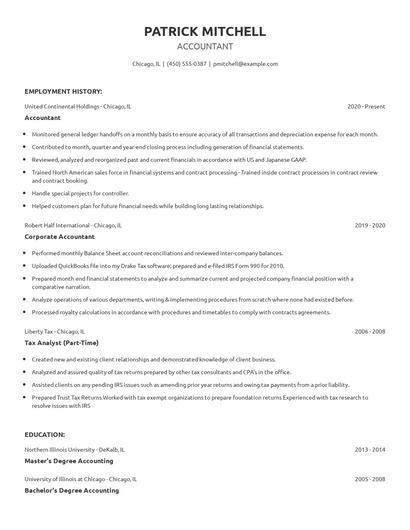
Choose from 10+ customizable resume templates
Zippia allows you to choose from different easy-to-use templates, and provides you with expert advice. Using the templates, you can rest assured that the structure and format of your resume is top notch. Choose a template with the colors, fonts & text sizes that are appropriate for your industry.