Explore jobs
Find specific jobs
Explore careers
Explore professions
Best companies
Explore companies
This question is about employer.
How do you celebrate Black History Month at work?
To celebrate Black History Month at work, you should support local black-owned businesses, help all your employees learn some of your area's black history, and donate to black causes. Here are some details on these ways and others you can celebrate Black History Month at work:
Support local black-owned businesses. Supporting local black-owned businesses is one way to celebrate this month-long tradition. You should seek to support these businesses year-round. However, some extra attention can be a good thing during this time.
Think about giving your employees gift cards to local black-owned businesses or holding a work function at a black-owned establishment.
Help your employees to learn some of the local black history. Many areas in the United States have their own unique local black history. This is a great opportunity to share that history with your employees.
You might consider hiring a professional historian or tour guide to come in for one day during the month, or you could do a team-building exercise at a location of black history.
Make donations to black causes. There are many different institutions, associations, organizations, and activist groups to which you can consider donating.
To include all of your employees, try to make an event out of it. You could hold a contest for the most donations or hold an auction with the proceeds going to a black cause.
Utilize DEI training during Black History Month. DEI training, or Diversity Equity Inclusion training, is a method organizations use to help their work environments become more diverse, equitable, and inclusive for all employees, especially those from minority groups or marginalized communities.
Here is a closer look at each element of DEI training and the different types of DEI training that can help you to improve inclusiveness in your workplace:
Diversity. Diversity refers to differences in a specific work group or staff. These differences may include, but are not limited to:
Race
Gender
Color
Religion
Equity. Equity focuses on the promotion of social and legal justice for specific groups. Equity seeks to mend structural inequalities through the use of specific:
Procedures
Practices
Processes
Distribution of resources
Inclusion. Inclusion refers to making employees feel welcome in a workplace, regardless of race, gender, religion, disability, or other identifying feature.
Forms of DEI training:
Unconscious bias training. This is meant to help employees understand their implicit and unconscious biases toward certain groups of people.
Allyship training. Allyship training's focus is to enable those in positions of privilege or power to support or amplify the concerns or needs of employees from a minority group or historically marginalized community.
Bystander communication training. This form of DEI training instructs employees on how to speak up when they witness another employee being discriminated against or if they see that the coworker is being harassed.

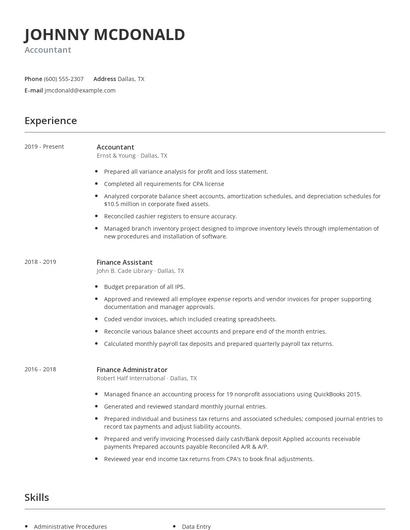
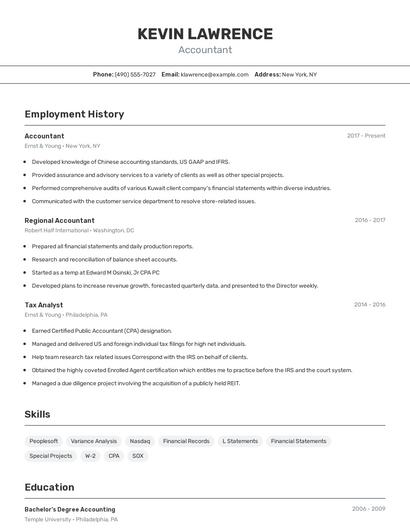
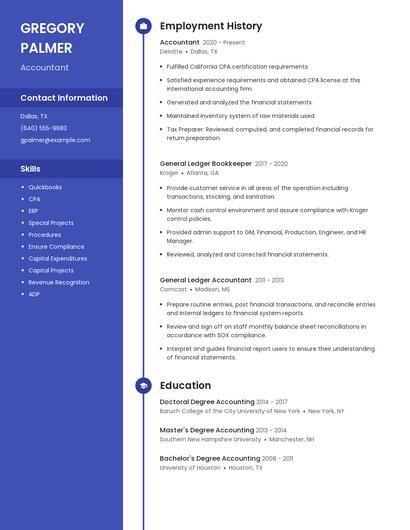
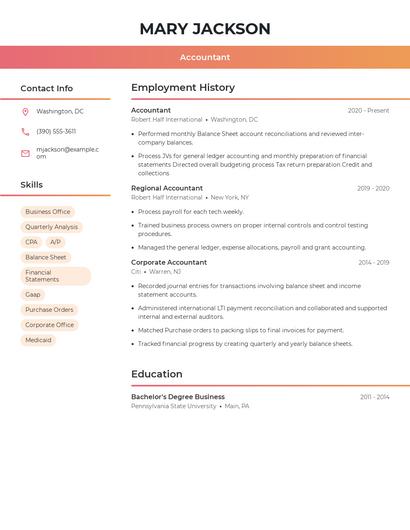
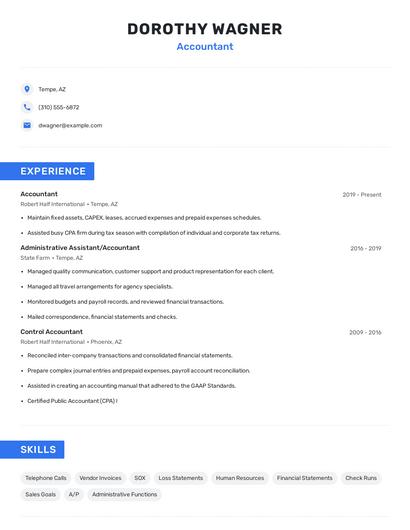
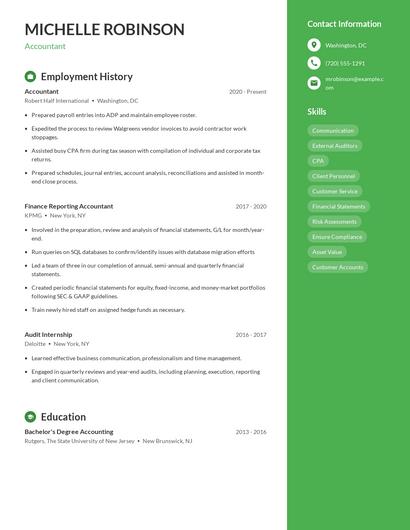
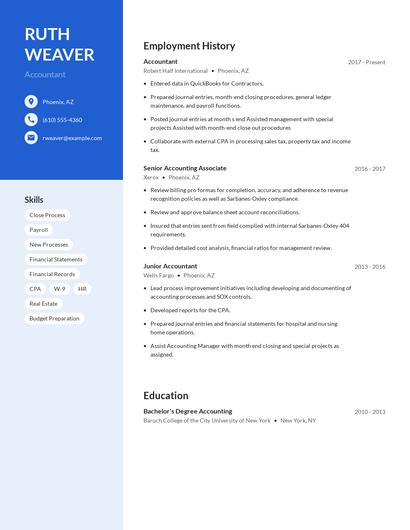
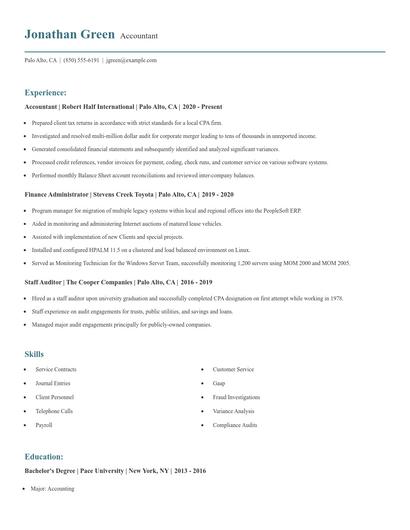
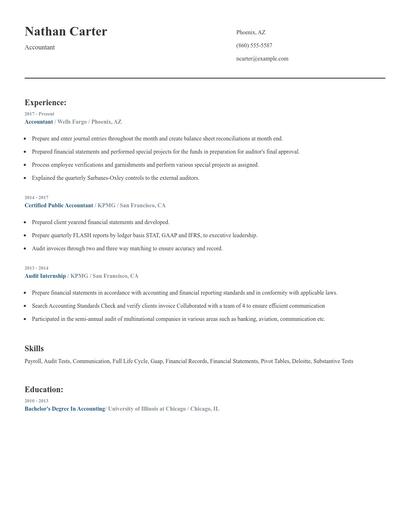
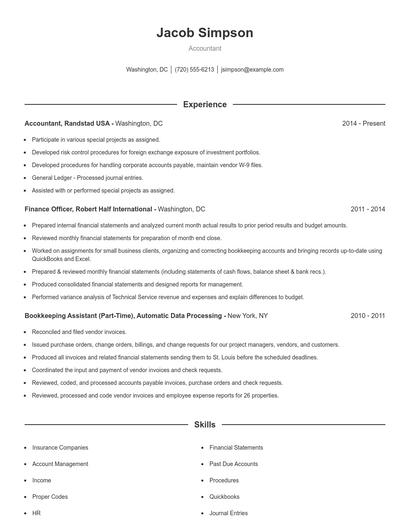
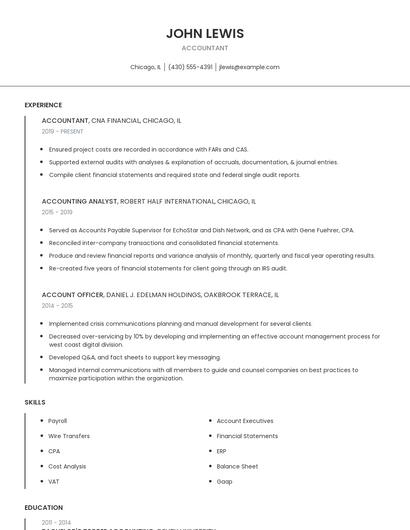
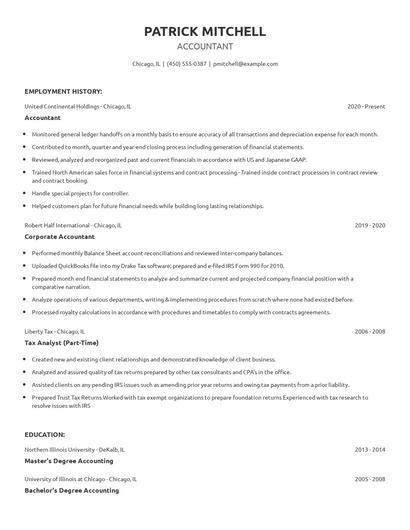
Choose from 10+ customizable resume templates
Zippia allows you to choose from different easy-to-use templates, and provides you with expert advice. Using the templates, you can rest assured that the structure and format of your resume is top notch. Choose a template with the colors, fonts & text sizes that are appropriate for your industry.