Explore jobs
Find specific jobs
Explore careers
Explore professions
Best companies
Explore companies
This question is about gardener.
How do you start a garden business?
You start a garden business by deciding on what services you will provide, buying equipment and supplies, and making your business a legal entity. Gardening can mean different things to different people, so the first step is to decide what it means to you.
You need to develop a precise list of what services you plan to offer to your clients. Potential services include:
Lawn care
Landscaping
Digging and planting new plants
Choosing new plants
Refining the look of a space
Maintaining gardens and lawns by mowing, pruning, and leaf blowing or similar tasks
Planting, maintaining, and harvesting food gardens
It is important to remember that gardening is labor-intensive and may involve heavy lifting, bending over, and exposure to the elements for several hours each day, which can be stressful and hard on your body, especially in extreme weather.
Gardening may also be a seasonal-only business. Gardening services typically peak in the summer months and slow significantly in the fall and winter. To run your business year-round, you must account for these slower periods and monitor your cash flow.
Once you have determined the services you plan to offer, you must create a price list. To be competitive, you will need to see what other gardeners in your area are charging for similar services and ensure that your prices are comparable and reasonable.
To that end, you also need to make sure that you will turn a profit. This means you must compare what you can reasonably charge against your business expenses to ensure a sustainable margin. You should look at both your start-up expenses and your monthly expenses like:
Marketing costs
Supplies
Vehicle insurance
Fuel
Equipment maintenance
Labor
The next step in the process is to buy equipment and supplies. The general start-up costs for a gardening business are relatively modest, with some companies stating they can get going for under $5,000. You may already have some of the equipment you need to get started.
Depending on the type of work you are planning to offer, you will need a reliable vehicle and general gardening equipment, and you may want to have carpentry tools on hand. These can be helpful with things like making seedboxes for vegetable gardens or working in hard soil.
You will also want basic office supplies and a simple software program to track invoices and quotes and provide customers with payment receipts.
The final step before you can operate your business is to create a legal entity. You must register, license, and insure your business. Registering your business means deciding if you will operate as a sole proprietor, partnership, or limited liability corporation (LLC).
The primary advantage of an LLC is that it reduces your personal financial risk. A sole proprietorship is simple to set up, as is a partnership if you're going into business with other people. However, both of those structures leave you exposed to any financial liability that might come up from operating your business.
Once you have decided how you will operate, it is time to choose a business name. You want something unique and easily identifiable related to the industry or business. Once you have a short list of names, you can go to www.uspto.gov to see if they are available.
You will also be required to get the appropriate insurance for your business. At a minimum, you will need to have general liability insurance. This coverage protects your client's property and you if something happens while operating your business.
Commercial Auto: This protects your business's vehicles to transport tools and equipment. You can also add coverage that allows you to cover equipment that is permanently attached, such as bolted toolboxes or racks.
Worker's Compensation: This covers employee medical costs and a percentage of their lost wages if they are hurt on the job.
Professional Liability: This helps to pay for work oversights that can result in a financial loss. For example, if someone says you didn't deliver the services you said you would provide, they can ask you to pay for any losses. Professional liability can help cover the costs of defending your business or fixing the problem.
Equipment Breakdown Coverage: This can help protect your business against losses from equipment breaking down. This can include anything from machinery to computers.

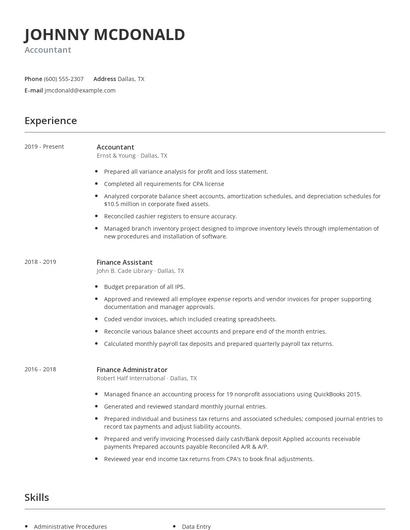
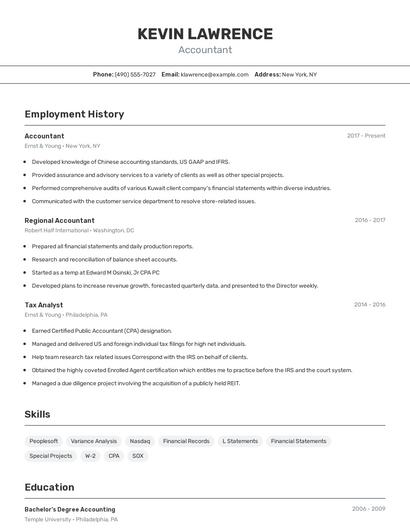
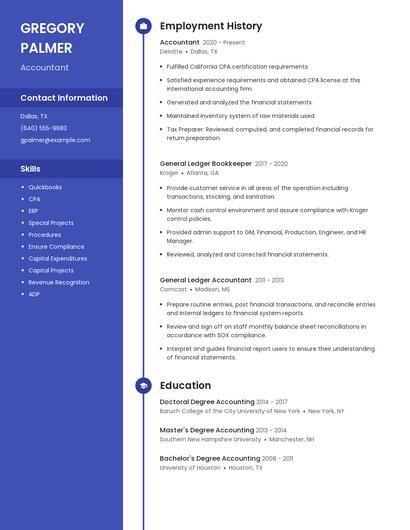
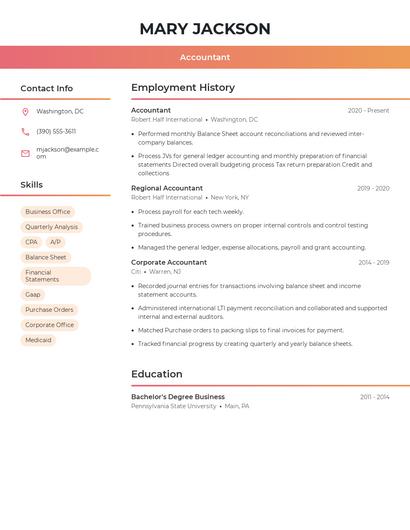
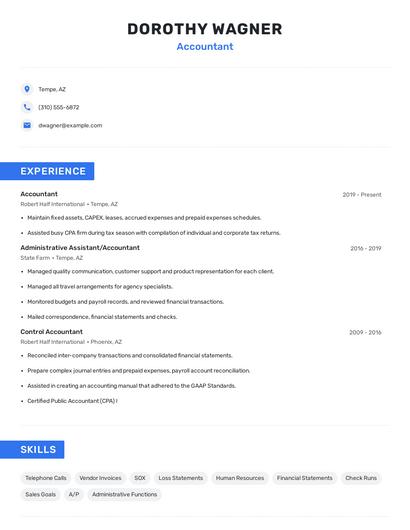
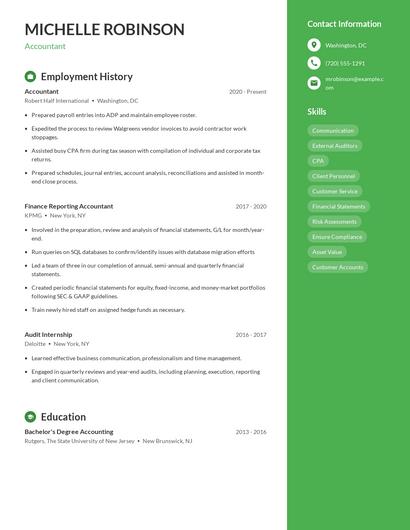
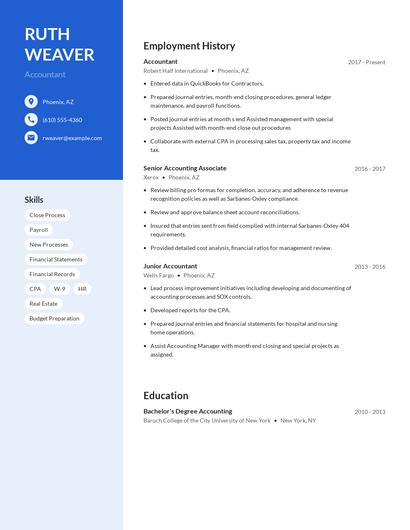
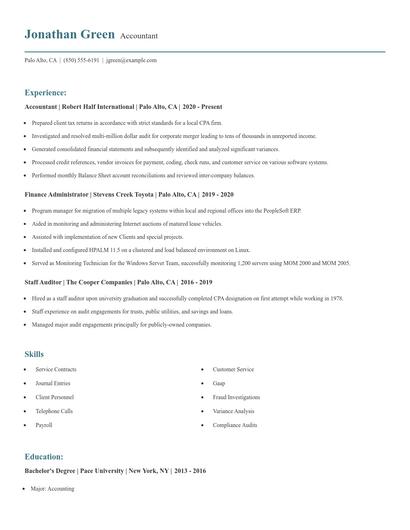
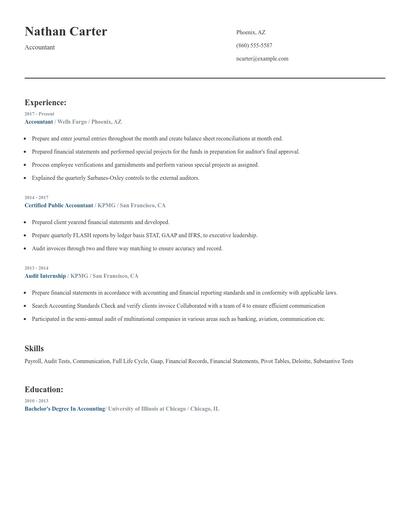
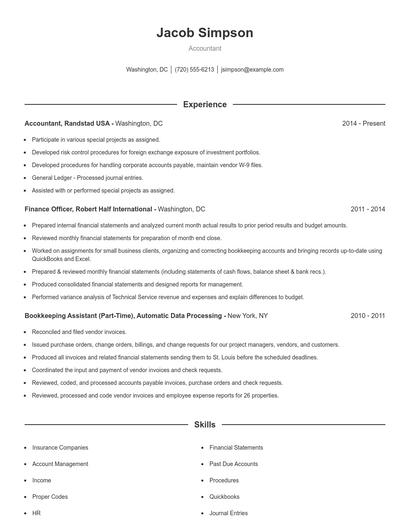
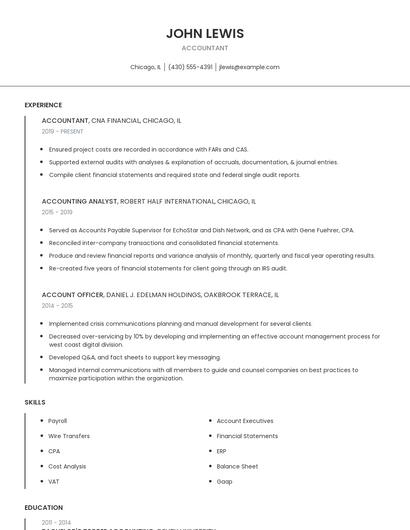
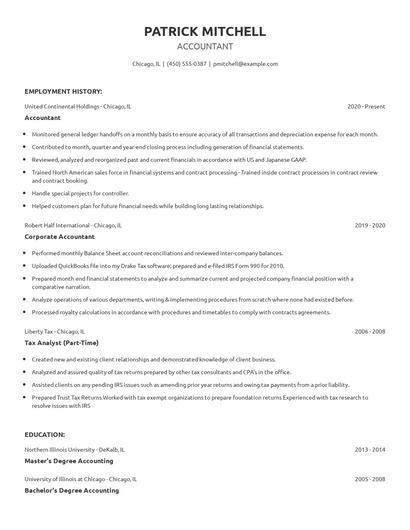
Choose from 10+ customizable resume templates
Zippia allows you to choose from different easy-to-use templates, and provides you with expert advice. Using the templates, you can rest assured that the structure and format of your resume is top notch. Choose a template with the colors, fonts & text sizes that are appropriate for your industry.