Explore jobs
Find specific jobs
Explore careers
Explore professions
Best companies
Explore companies
This question is about parking lot manager.
How do you start a parking lot business?
You start a parking lot business by creating a business plan, registering and insuring your business, and creating a website and phone system. The first step in the process is to plan your business. When planning your business consider the following:
What are your startup costs?
What are your ongoing costs (monthly, annually)
Who is your target market?
How much can you charge customers?
What will you name your business?
Initial startup costs will include the rental or purchase of the lot or garage, the purchase or lease of equipment (e.g., lift gates, transaction machines, security cameras), and personnel costs. Keep in mind that garages are more expensive and will have higher costs due to multiple levels and elevators.
While parking lots are a relatively low-maintenance business, they are not a set-it-and-forget-it type of business. You will have ongoing expenses. The majority of work that goes into maintaining a parking lot involves repainting lines, replacing signage, and paying for lighting.
Typical monthly costs for a small outside lot are approximately $5,000 per month, broken down as follows:
Rent or mortgage payment: $2,000 ($0.50 per square foot per month)
Parking attendant wages: $2,240 per month ($10 per hour if manned for 8 hours per day, 7 days per week [56 hours per week]). This amount will be more if you have the parking lot manned for both day and evening hours.
Taxes: $336 per month
Utilities: $200 per month (lighting)
Insurance: $100 per month
Supplies: $100 per month
Once your startup and ongoing costs are determined, you will need to figure out how to make enough money to cover these costs and turn a profit. It's obvious that parking lots only make money by filling their empty spaces with cars.
Parking lots are especially profitable during peak hours in larger cities. For example, many lots take advantage of the number of drivers in town for sporting events, concerts, etc. In most cases, customers are willing to pay a premium to have convenient parking for their event.
The price that you can charge is based on the demand for parking and the prices of competitors nearby. It is possible to charge up to $60 per hour in major metropolitan areas, while in rural areas, it is more common to see the pricing at $1 per hour.
Next, you must register, license, and insure your business. Registering your business means deciding if you will operate as a sole proprietor, partnership, or limited liability corporation (LLC).
The primary advantage of an LLC is that it reduces your personal financial risk. A sole proprietorship is simple to set up, as is a partnership if you're going into business with other people. However, both of those structures leave you exposed to any financial liability that might come up from operating your business.
Once you have decided how you will operate, it is time to choose a business name. You want something unique and easily identifiable related to the industry or business. Once you have a short list of names, you can go to www.uspto.gov to see if they are available.
In addition to registering your business, you must ensure that you have the appropriate insurance coverage. At a minimum, you will need to have general liability insurance. This coverage protects your client's physical property and protects you if something happens during operating your business.
While not required, it is recommended that you also have the following insurance policies:
Worker's Compensation: This covers employee medical costs and a percentage of their lost wages if they are hurt on the job.
Professional Liability: This helps to pay for work oversights that can result in a financial loss. For example, if someone says you didn't deliver the services you said you would provide, they can ask you to pay for any losses. Professional liability can help cover the costs of defending your business or fixing the problem.
At a minimum, you will likely need to obtain a Certificate of Occupancy (CO). This confirms that all building codes, zoning laws, and government regulations have been met. If you rent or lease the property, the landlord will be responsible for obtaining and providing the CO.
At this point, you are ready to operate. Parking lot businesses are especially dependent on location and will likely have stiff competition. One thing that will help get your business off the ground is attracting customers to your location. A parking lot attendant can wave to passing cars to encourage them to enter.
You can also give out discount coupons to help attract new customers or create a loyalty program. Creating a website that customers can easily find is also a great way to get your business out there to consumers. Getting a phone system in place can also show customers that you are a legitimate and professional business entity.
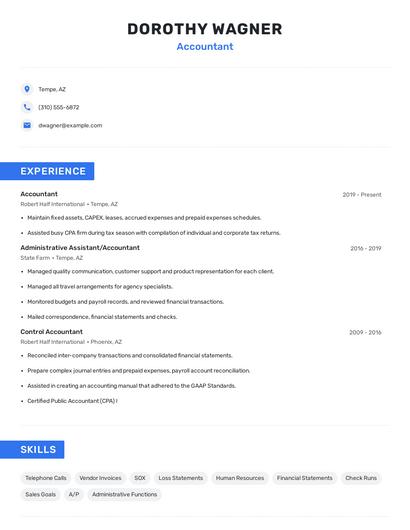
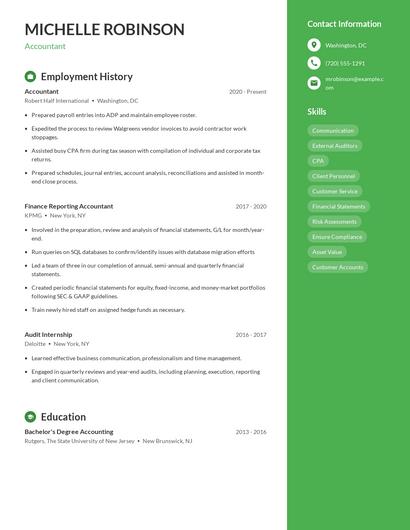
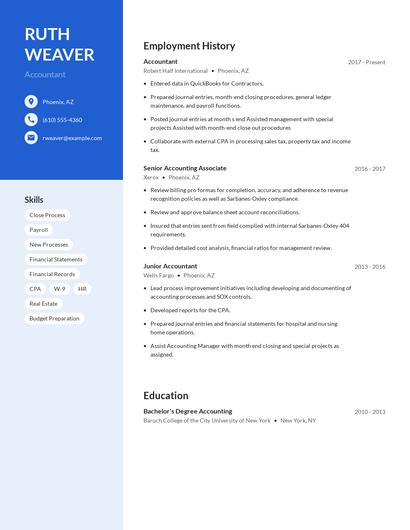
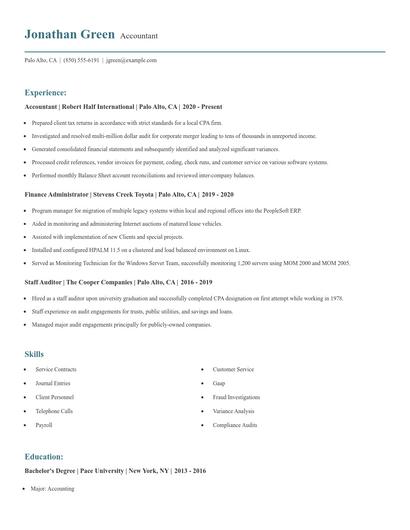
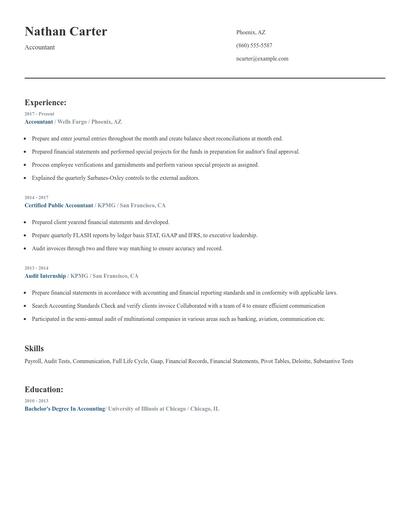
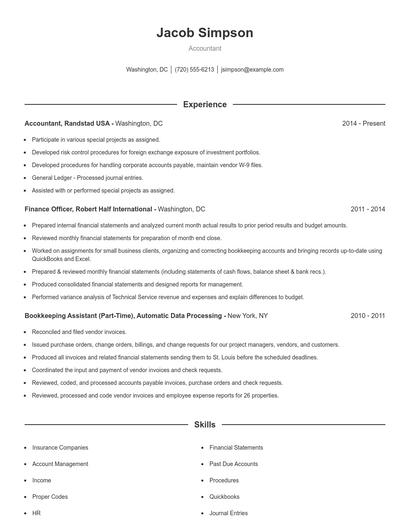
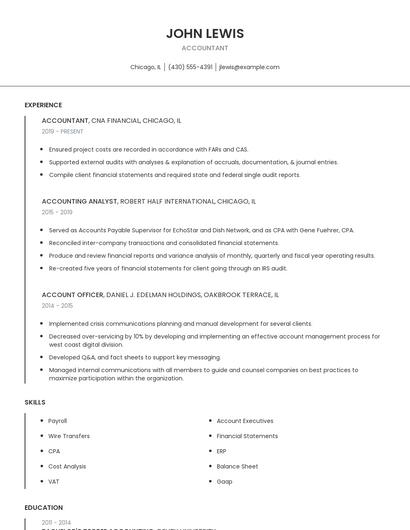
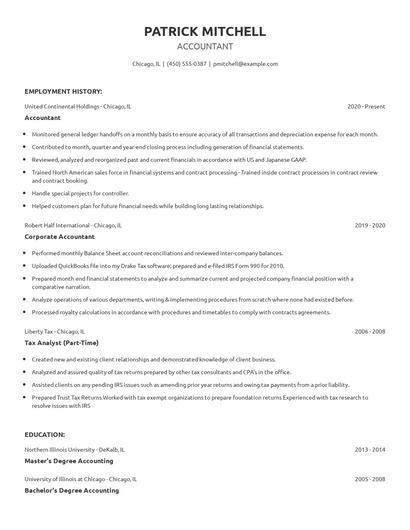
Choose from 10+ customizable resume templates
Zippia allows you to choose from different easy-to-use templates, and provides you with expert advice. Using the templates, you can rest assured that the structure and format of your resume is top notch. Choose a template with the colors, fonts & text sizes that are appropriate for your industry.