Explore jobs
Find specific jobs
Explore careers
Explore professions
Best companies
Explore companies
This question is about advertising agent.
How do you start an advertising business?
You start an advertising business by creating a business plan, choosing a pricing model, and registering your business as a legal entity.
The first step in the process is to build out your business plan. One of the benefits of an advertising business is that they typically have low overhead and startup costs. Many agencies operate remotely, so they don't need to invest in a brick-and-mortar office space.
In most cases, your only startup costs will be technology equipment (hardware and software), internet service, and applicable business registration. You don't need a big team to get started; you can run the business, execute many deliverables yourself, and save money on salaries and wages.
They also typically have a low barrier to entry, meaning you don't need to have decades of marketing experience under your belt before you can start an agency. With a baseline knowledge of content marketing and social media management, you can easily make a name for yourself in advertising.
With this information in mind, you will want to create a detailed business plan outlining your business focus, how you will secure funding, and how you will manage your company. Your business plan should answer the following questions:
What does your advertising agency do?
What defines your company?
What services do you offer your clients?
What kinds of clients will your agency target?
What are your expected expenses, and how will you make money to sustain operations?
In addition to creating a business plan, you will want to choose your pricing model. Most advertising agencies make money by brainstorming and developing creative assets for their clients, including traditional advertising campaigns and content marketing pieces, like blogs and social media posts.
There are several pricing models you can use to charge your clients, and the best one for you depends on the type of work you do and how you work with your clients. You'll need to decide if you'll charge per hour, per project, or according to a fixed retainer model.
In a fixed retainer model, a client pays an agreed-upon amount in advance for a certain number of service hours. A flexible or hybrid approach with different payment structures can help you meet clients' needs while allowing them to stay on budget.
Next, you must register, license, and insure your business. Registering your business means deciding if you will operate as a sole proprietor, partnership, or limited liability corporation (LLC).
The primary advantage of an LLC is that it reduces your personal financial risk. A sole proprietorship is simple to set up, as is a partnership if you're going into business with other people. However, both of those structures leave you exposed to any financial liability that might come up from operating your business.
Once you have decided how you will operate, it is time to choose a business name. You want something unique and easily identifiable related to the industry or business. Once you have a short list of names, you can go to www.uspto.gov to see if they are available.
Once you have registered your business, you are ready to find clients for your agency. You can start by researching companies that fit your target clients and studying their advertising efforts. Go after business with a small marketing presence and offer yourself as a solution.
Once you have a few regular clients, you can request testimonials or referrals that you can use to expand your business.

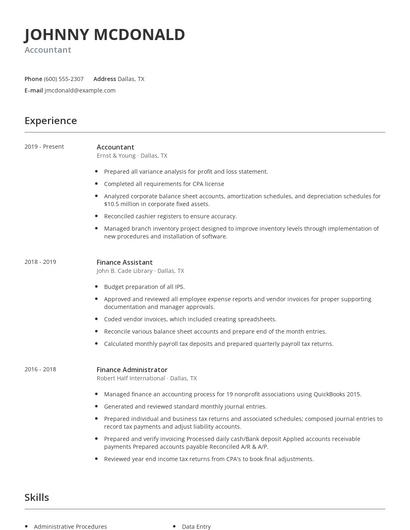
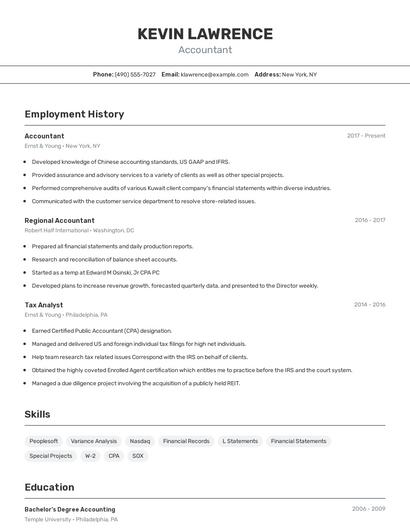
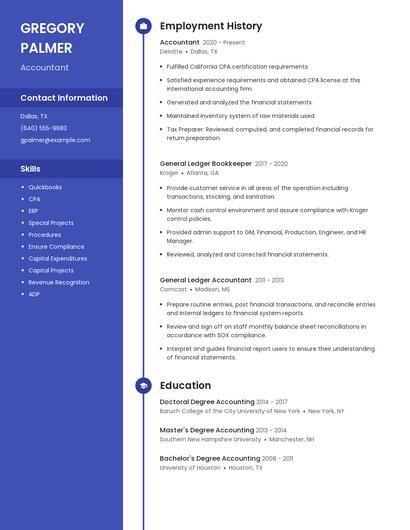
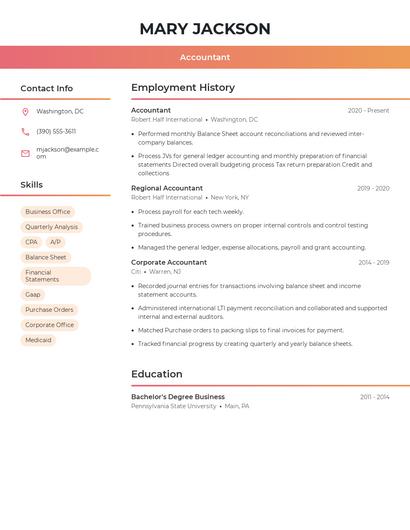
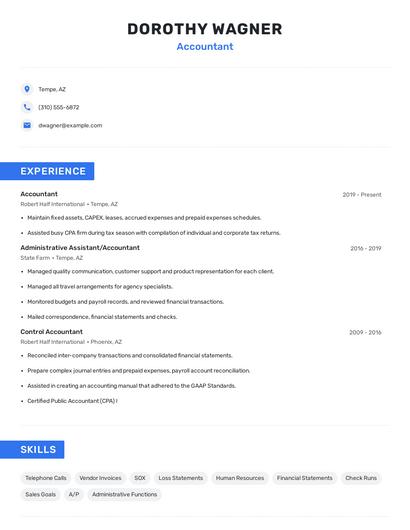
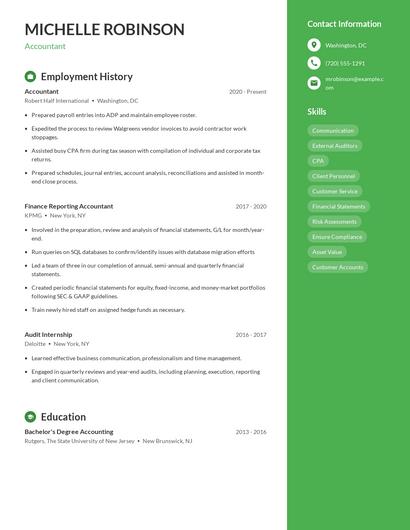
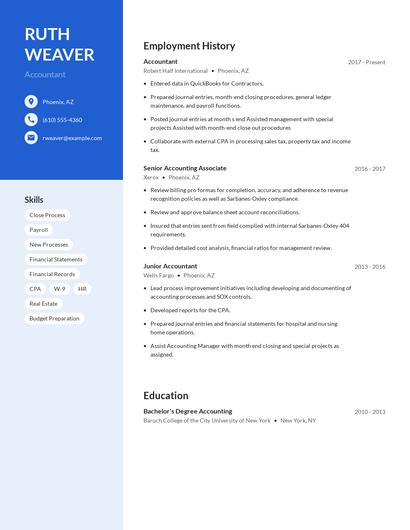
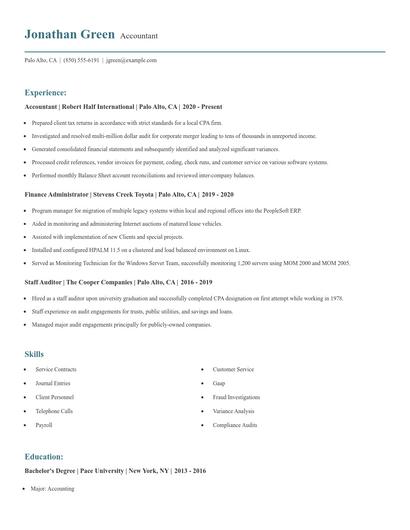
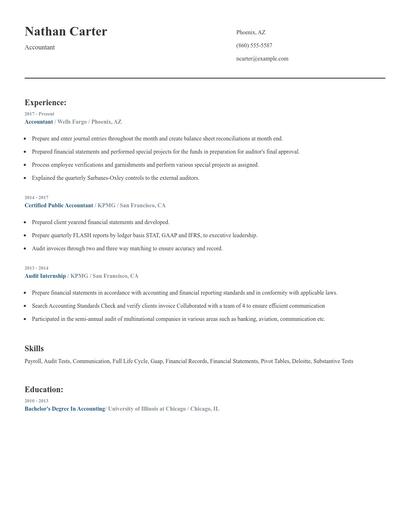
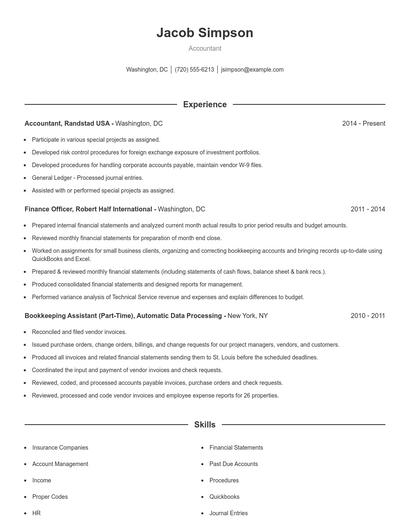
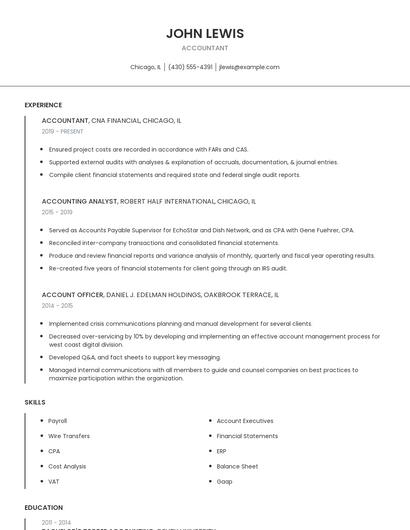
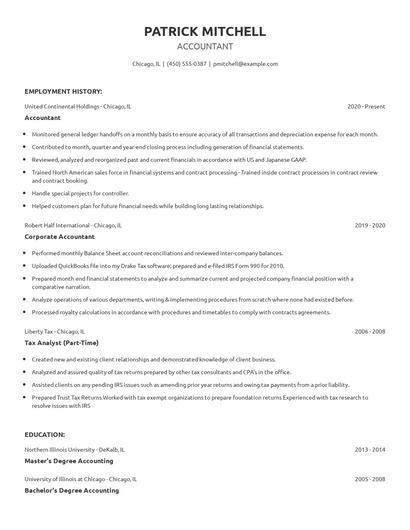
Choose from 10+ customizable resume templates
Zippia allows you to choose from different easy-to-use templates, and provides you with expert advice. Using the templates, you can rest assured that the structure and format of your resume is top notch. Choose a template with the colors, fonts & text sizes that are appropriate for your industry.