Explore jobs
Find specific jobs
Explore careers
Explore professions
Best companies
Explore companies
This question is about jobs.
How do you take a professional headshot
You need a professional-grade camera, tripod and lighting equipment, and a nice backdrop in order to take a professional headshot. Here is more information on these steps and others you can do to take a professional headshot:
Use a professional-grade camera. Many people think that the advancements in smartphone photography are good enough to cover taking a professional headshot; however, this is not true.
Professional headshots require professional cameras. These can be digital cameras or even 35mm film cameras if you like. These high-level cameras have a variety of settings and functions that can help you perfect taking a professional headshot.
Another reason you should use a professional-grade photography camera is that you can use a variety of different lenses to take your headshots. Lenses are a critical tool for photographers, and the quality of their glass, or lack thereof, can have a great effect on your final image.
Get a tripod and lighting equipment. These are also essential items to taking a professional headshot and must not be overlooked.
A sturdy tripod is essential to keeping your camera in position and allowing you to take multiple photographs when trying to capture a great headshot.
Lighting equipment is also critically important if you are shooting indoors. If you are shooting outdoors, you might still need items like reflectors, blackout panels, silks for diffusion, and lighting stands or C-stands. These items can also be used for indoor shoots as well and are encouraged.
Pro-tip, most professional headshots are taken indoors, where you can have greater control over crafting the light; however, they can be taken outdoors if you know how to use the proper tools.
All of these components are important so you can shape the light in your headshots. Most photographers work with a three-point lighting system or some variation of this. This means you have a dedicated key light (the main source of light) and two supporting lights meant for fill light or backlight.
You can look up free tutorials online to find different techniques on three-point lighting systems and other lighting strategies as well.
Purchase a good backdrop. Depending on the complexion of your subject, you might want a light or dark backdrop or something in between.
Consult with the person you are taking the headshot for. Ideally, you should have multiple options for backdrops for your professional headshots.
Proper professional headshot framing. Headshots are called "headshots" because the primary focus of the photograph is the subject's face.
To properly frame your subject, you should seek to have the bottom of the frame somewhere around their chest area and their head and face somewhere in the middle of the frame. There should be some space between your subject's head and the top of the frame, otherwise known as headroom.
Make sure your subject has clothing options for the shoot. Your subject should have multiple outfits, or at least shirts when doing a professional headshot shoot.
You want them to pick out clothing that has colors that complement their complexion and features nicely. Shirts or blouses with a lot of busy designs are often not good for headshots because the primary focus of the picture should be your subject's face. Anything that detracts attention from their face is not usually a good thing.
Take plenty of photos. It's important to take a lot of photographs when doing a professional headshot.
This allows you to have a wide selection that you and your subject can go over afterward and determine the best images.
Headshot shoots may take one to two hours in length, so make sure everything is set up before your subject arrives, so you can focus on taking photographs when they do. Minor adjustments to lighting and wardrobe are often inevitable, but you should be as prepared as you can be.
Utilize photography software. Programs like Photoshop are essential tools for perfecting your headshot images.
Within these types of programs, you can make edits and adjustments for color temperature, framing, and a whole host of other technical aspects of your headshots. Make sure you have selected the images you want to use beforehand, so you aren't tweaking every single image from your shoot.
Go over your final selections with your subject. Once you have finished tweaking your selections, you should get together with your subject to determine which ones they will use.
Actors, actresses, and models usually have a few current headshots at their disposal to distribute as they see fit for particular jobs. If your headshot was for a corporate client, it is likely they will only use one headshot.
Give your honest opinion on which headshots you find the most compelling, but ultimately it is up to your subject or client to choose the headshots or single headshot they will use.
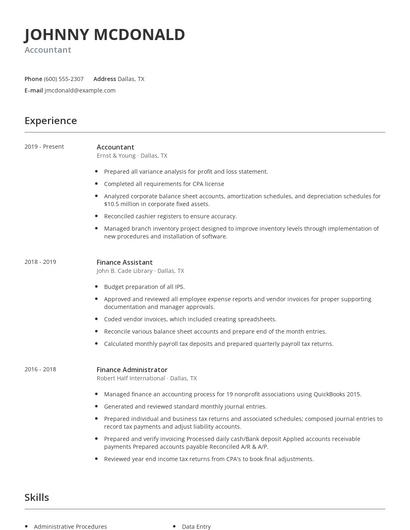
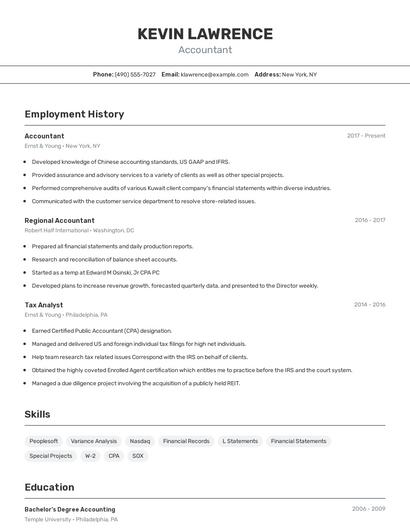
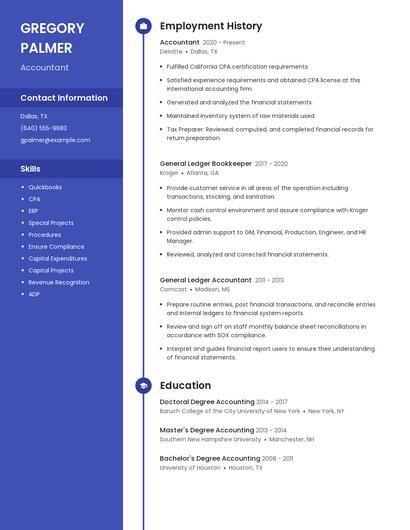
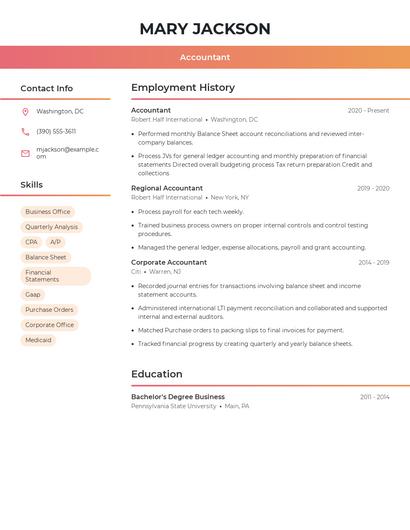
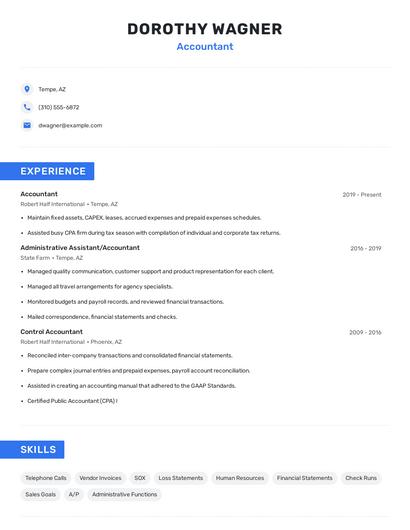
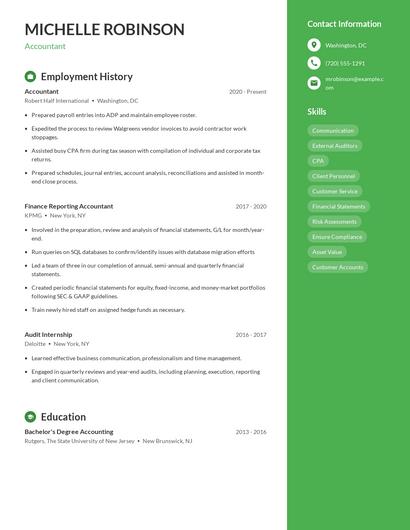
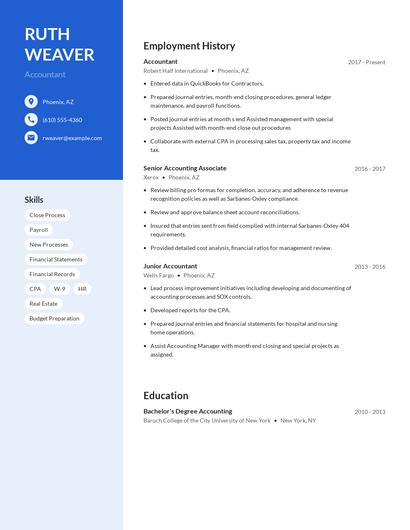
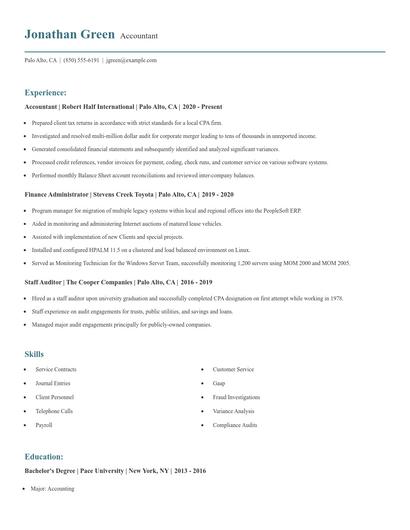
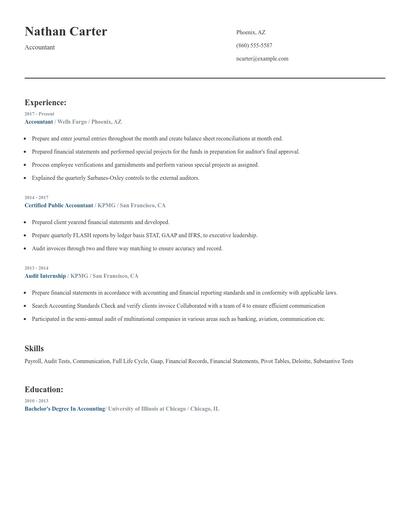
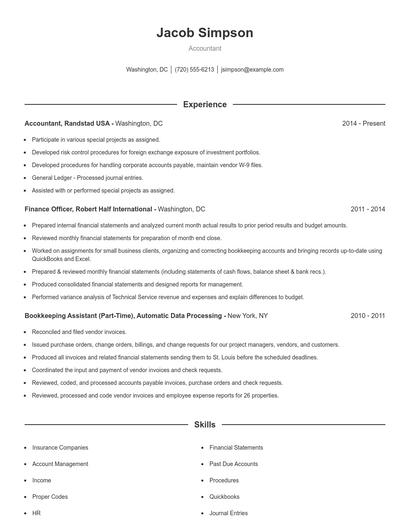
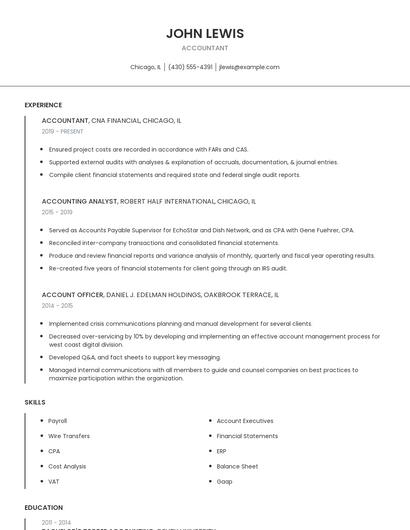
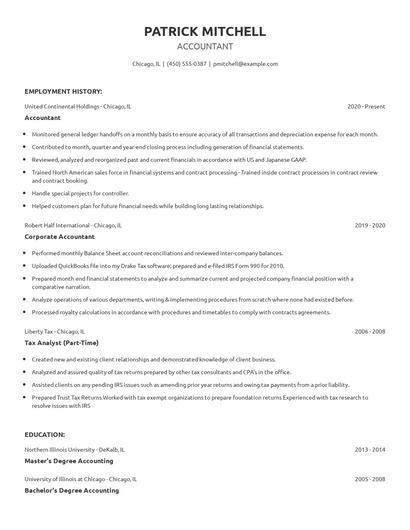
Choose from 10+ customizable resume templates
Zippia allows you to choose from different easy-to-use templates, and provides you with expert advice. Using the templates, you can rest assured that the structure and format of your resume is top notch. Choose a template with the colors, fonts & text sizes that are appropriate for your industry.