Explore jobs
Find specific jobs
Explore careers
Explore professions
Best companies
Explore companies
This question is about pathologist.
How hard is it to become a pathologist?
It is very hard to become a pathologist. To be a pathologist, you need a Doctor of Medicine (MD) degree, which first requires a bachelor's degree.
Pathologists often have to complete an undergraduate degree in the natural sciences before attending medical school. In medical school, you will learn about how body systems function and how diseases change this.
After spending some time as a resident physician, you need to get a state license and board certification from the American Board of Pathology.
Pathology is the study of disease by investigating it and its causes. A pathologist is a doctor who diagnoses diseases, usually after they've caused symptoms in their patients. It comes from the Greek word pathos, which means "suffering".
A pathologist is a medical doctor who has specialized in laboratory techniques. They may work in a lab alongside other doctors or scientists with the appropriate training.
A pathologist studies tissues or other materials taken from the body to identify specific diseases and disorders, such as cancer. They analyze these items to diagnose illness, monitor ongoing medical conditions, and help guide treatment.
Pathologists are important for patient care, but patients will never see them in person. The vast majority of pathologists work in a lab where they develop the patient's diagnosis. The lab is where they draw upon medical knowledge and a detective's passion to put together all the pieces of the puzzle and get a clear image of an illness.
Pathologists are experts at identifying diseases by studying a tissue sample that was removed during surgery. The examination of the entire body is an autopsy.
Pathologists are knowledgeable in many fields, including pathology. They can help guide treatment and care by routinely analyzing blood samples to monitor the course of a bloodborne illness.
Modern pathologists rely upon more than just microscopes to diagnose conditions. There's genetic research as well, which can be used to detect some illnesses if certain genetic markers are present.
Residents in either anatomic pathology or clinical pathology generally take from three to four years to complete their training, while passing a board exam may be necessary as the final step.
Pathology is pretty intense and it's not uncommon for pathologists to work long hours. They may be called upon to give a diagnosis of tissue at the moment or to review test results and provide an expert opinion very quickly.
Pathologists work in challenging and often rewarding jobs. They have the unique opportunity to help their communities and families by identifying life-threatening diseases.

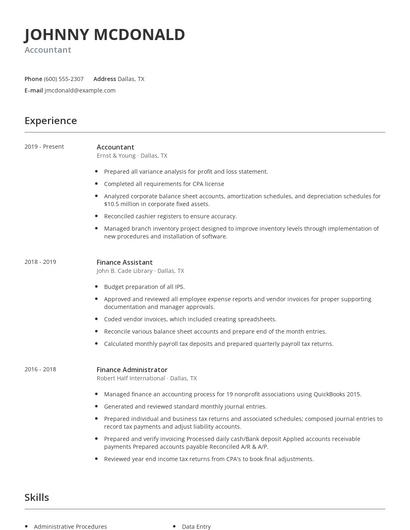
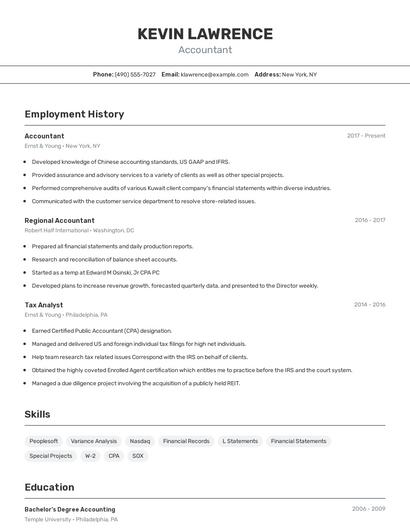
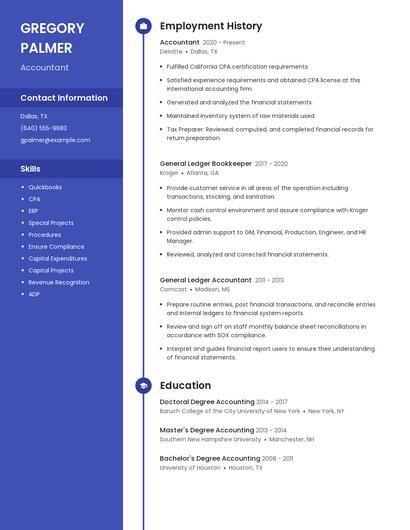
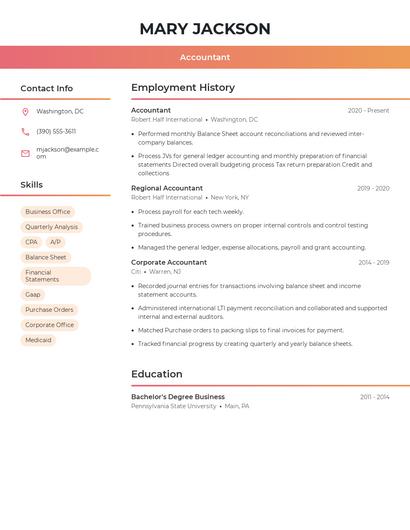
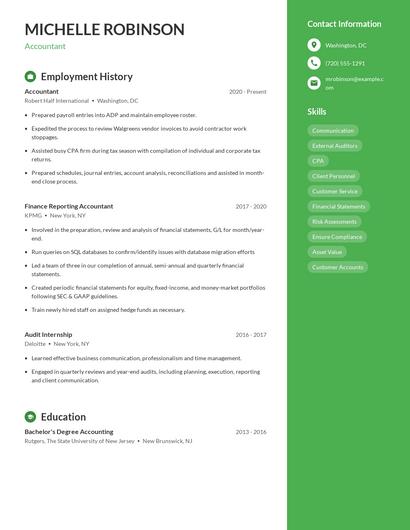
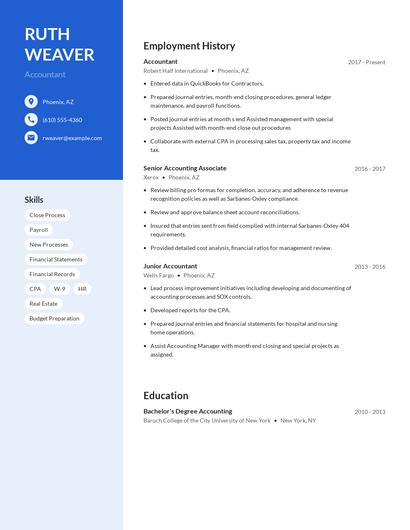
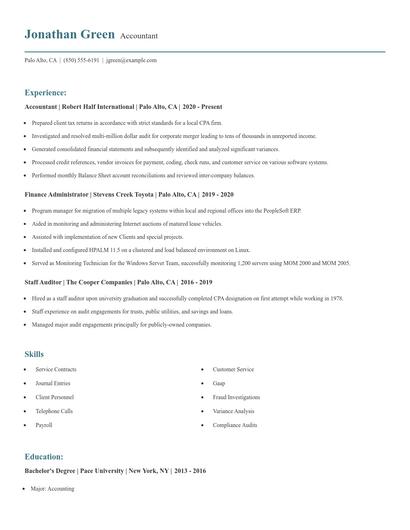
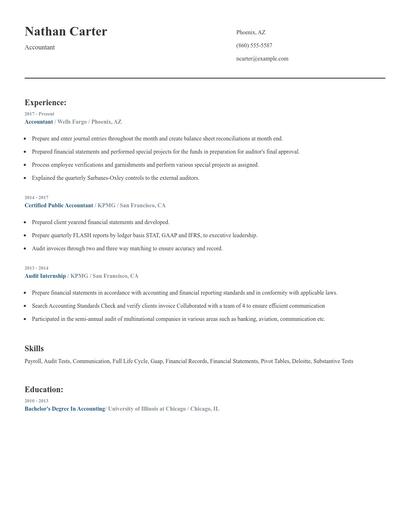
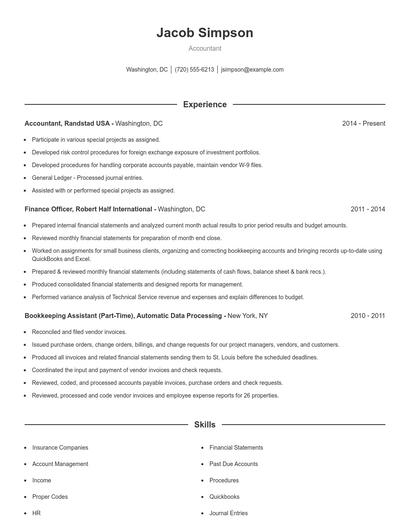
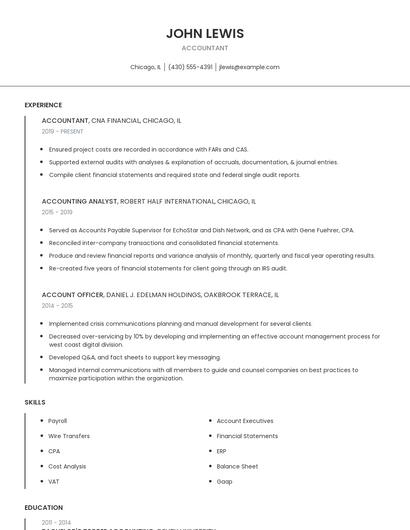
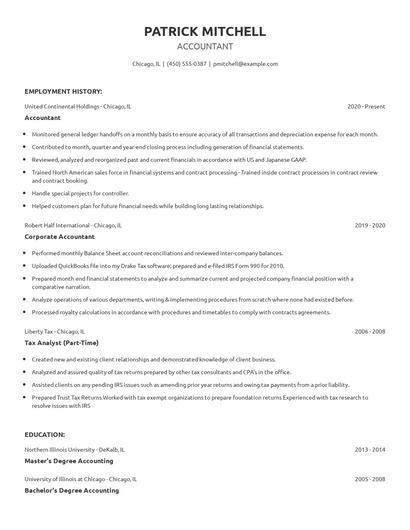
Choose from 10+ customizable resume templates
Zippia allows you to choose from different easy-to-use templates, and provides you with expert advice. Using the templates, you can rest assured that the structure and format of your resume is top notch. Choose a template with the colors, fonts & text sizes that are appropriate for your industry.