Explore jobs
Find specific jobs
Explore careers
Explore professions
Best companies
Explore companies
This question is about optometrist education.
How hard is optometry school
Optometry school is difficult. Optometry schools have a 74% acceptance rate, and students must pass the Optometry Admissions Test and have a GPA of at least 3.0 to apply for admission.
All optometry schools require college-level classes. In general, it is a good idea to get a bachelor's degree that covers the course requirements like a biology or chemistry degree. There are only 23 schools and colleges in the United States that offer optometry programs, and each may have slightly different requirements for application.
The Optometry Admissions Test covers topics like biology, chemistry, reading comprehension, and more. This test will show if you are proficient in the required prerequisite material. You cannot apply to optometry school without taking this test.
Optometry school is four years long and during this time you will learn about topics such as general medical science, the structure and function of the human eye, and the diagnosis and treatment of diseases or disorders. You will also learn about vision therapy.
Perhaps one of the most difficult aspects of optometry school is time management. Optometry school is basically a full-time job that lasts for four years and you will have to make sacrifices when it comes to friends, family, and social life as well as extracurricular activities.
Most optometry students have reported that the first year is the most difficult. This is largely due to being a new student and having a structure that differs from most people's undergraduate experiences. On the bright side, what you learn in these courses pertains only to what you will be doing in your career.
Your first year will generally consist of 40 credit hours and will include classes like:
Clinical examination of the visual system
Healthcare economics
Geometrical optics
Visual perception and sensitivity
Anatomy and physiology of the eye
The second year will consist of between 30 and 40 credit hours and classes may include:
Evidence-based optometry
Systemic pharmacology
Systemic disease and ocular manifestations
Vision system development
Contact lenses: an examination of a contact lens patient
In the third year, most students have entered the clinical phase. These courses are combined with coursework to provide students with an all-encompassing look at what it means to be an optometrist. You will have a clinical practice in examination techniques and interpret clinical data.
You will learn more about ocular conditions and diseases that are commonly encountered during patient care. The goal is to improve your observational skills as a new clinician. It is also to increase efficiency for comprehensive eye examinations by outlining alternative strategies for examining patients and analyzing data.
Fourth-year students will focus on advanced optometry clinics and will perform optometric examinations of patients under the supervision of clinical staff. You will be the primary in examination, diagnosis, and prognosis of patients. You will also be responsible for the treatment and management of patients in specialty clinics.
You will have to find a healthy balance between school, studying, and other parts of your life. Many optometry students have reported that this was their biggest challenge while in school. One first-year student said, "I learned that the most important gift you can give yourself in optometry school is positivity."
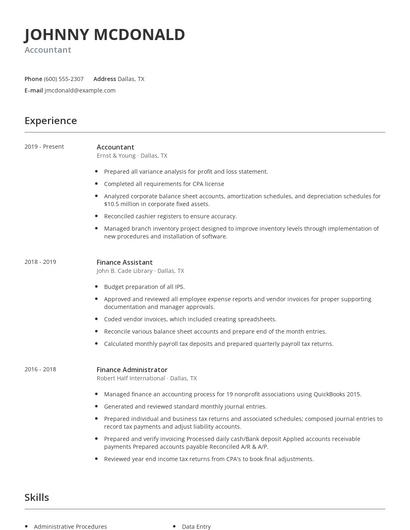
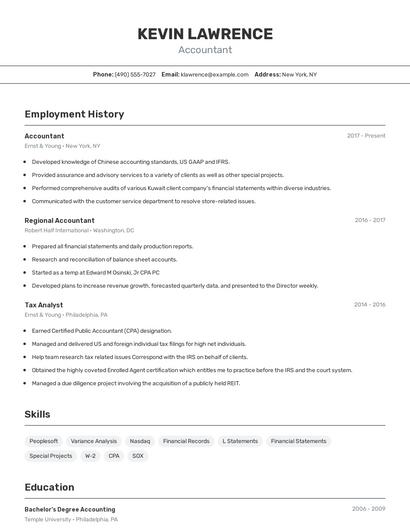
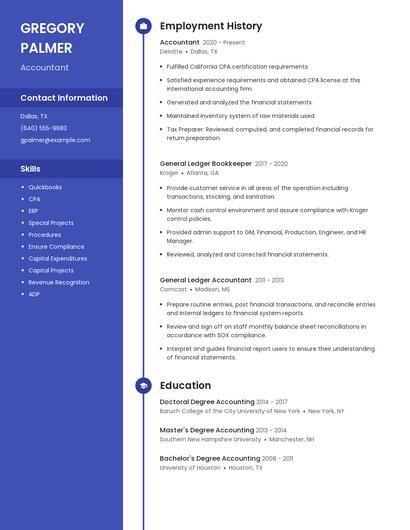
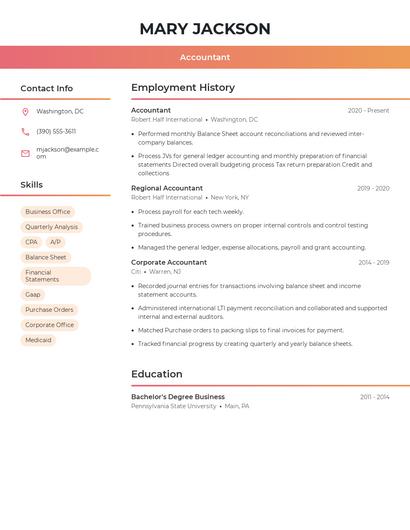
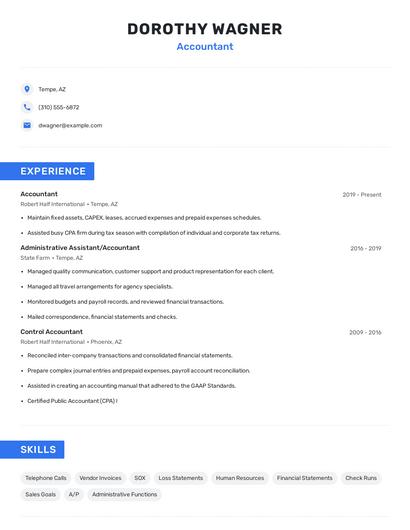
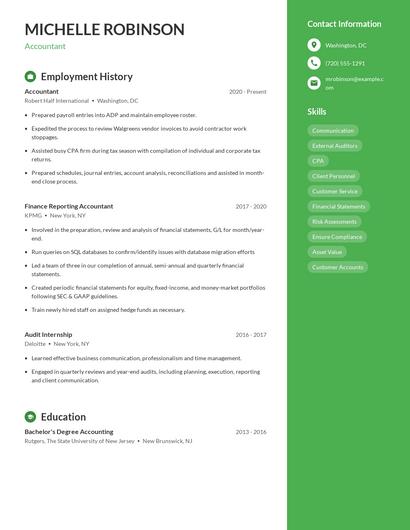
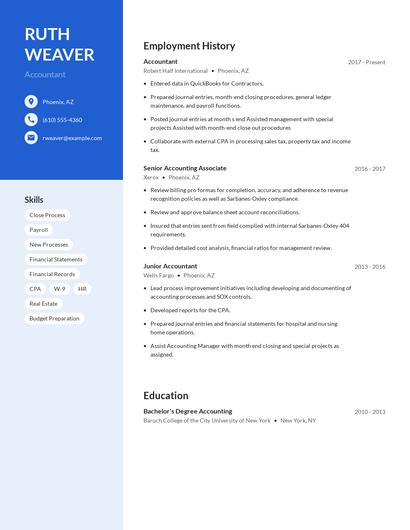
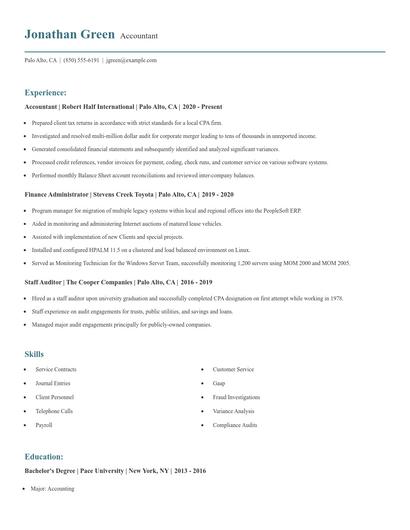
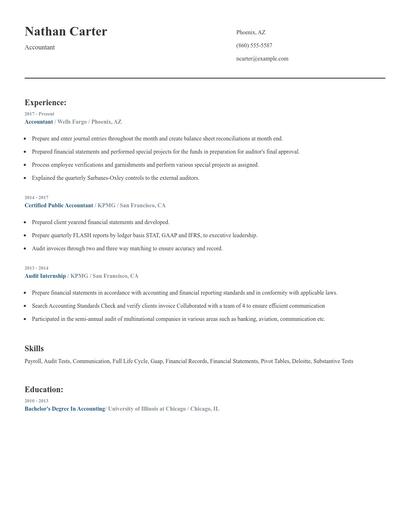
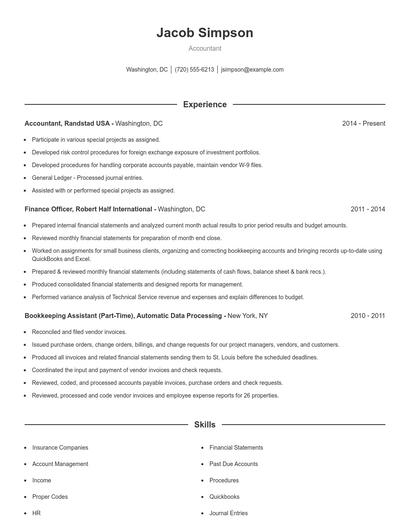
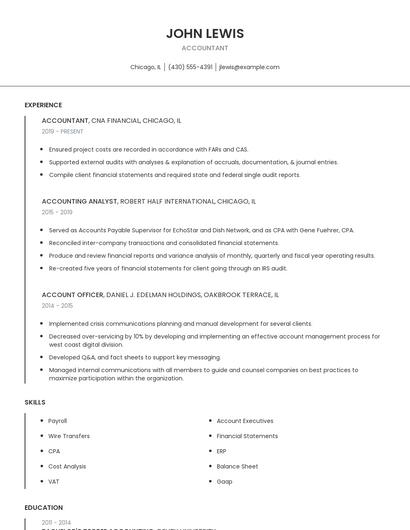
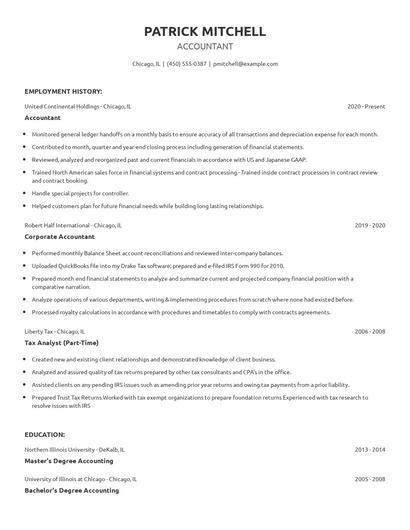
Choose from 10+ customizable resume templates
Zippia allows you to choose from different easy-to-use templates, and provides you with expert advice. Using the templates, you can rest assured that the structure and format of your resume is top notch. Choose a template with the colors, fonts & text sizes that are appropriate for your industry.