Explore jobs
Find specific jobs
Explore careers
Explore professions
Best companies
Explore companies
This question is about salaries.
How is overtime taxed?
Overtime is taxed the same way normal wages are taxed. Although, enough overtime pay can push an employee's gross pay into a higher tax bracket, resulting in the need to pay more in terms of income taxes.
Employers deduct taxes from the sum of their employees' overtime pay and regular wages. They simply add these two figures together and deduct the same percentage of taxes that would be deducted from an employee who has only worked regular hours with no overtime hours.
Here are the taxes that employees must pay associated with regular and overtime wages:
Federal Income Tax
Federal income tax is based on an employee's overall earnings. It also incorporates the employee's W-4 withholding allowances.
FICA taxes
FICA taxes are taxes deducted from an employee's overtime time wages and regular wages for Social Security and Medicare. The Social Security tax percentage is 6.2%. The Medicare tax percentage is 1.45%.
Employers normally must pay overtime wages for employees that work over eight hours in a day or more than 40 hours in a week. Overtime pay is 1.5 times the worker's normal wage rate, and this occurs when a worker works between eight and 12 hours in a single day, or more than 40 hours in one week.

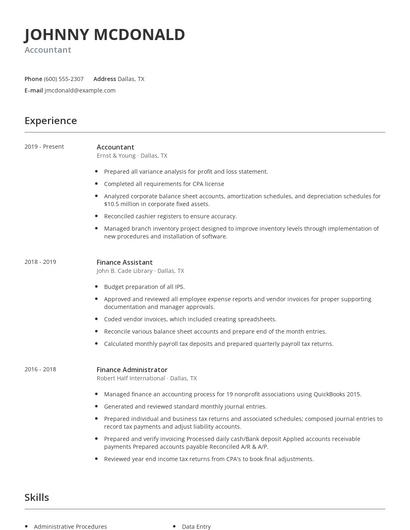
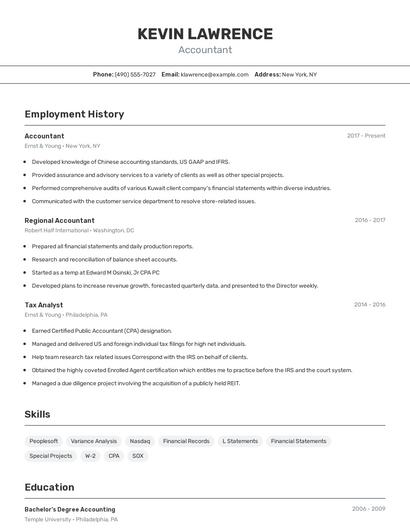
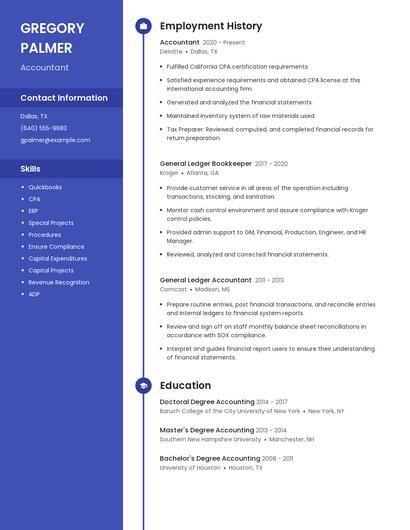
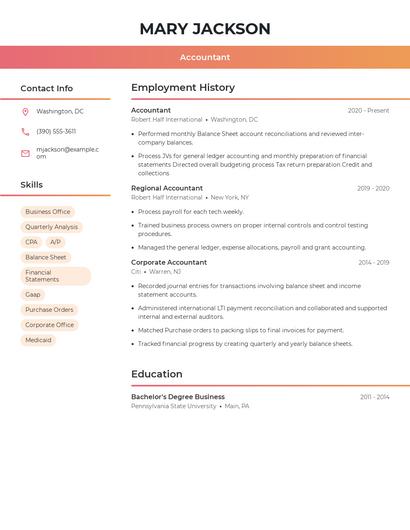
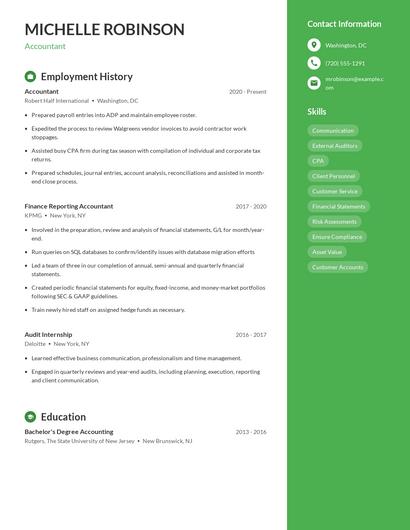
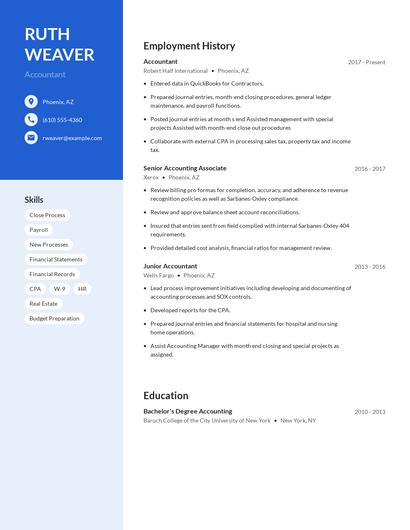
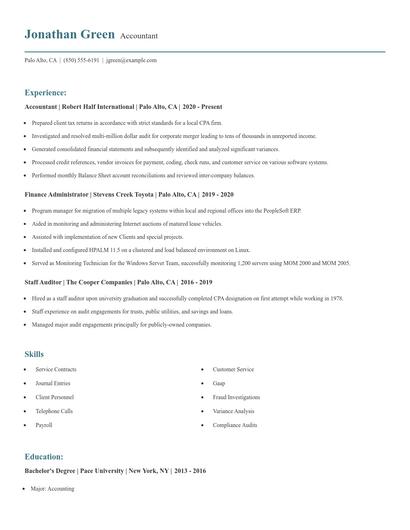
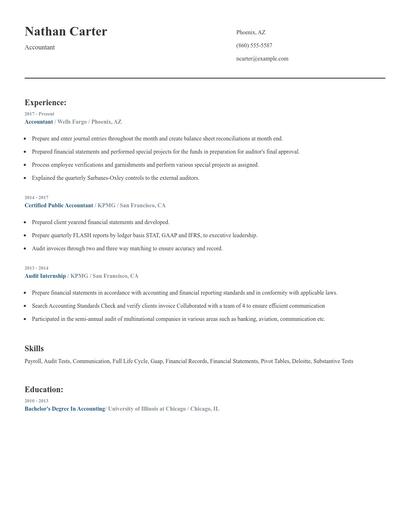
Choose from 10+ customizable resume templates
Zippia allows you to choose from different easy-to-use templates, and provides you with expert advice. Using the templates, you can rest assured that the structure and format of your resume is top notch. Choose a template with the colors, fonts & text sizes that are appropriate for your industry.